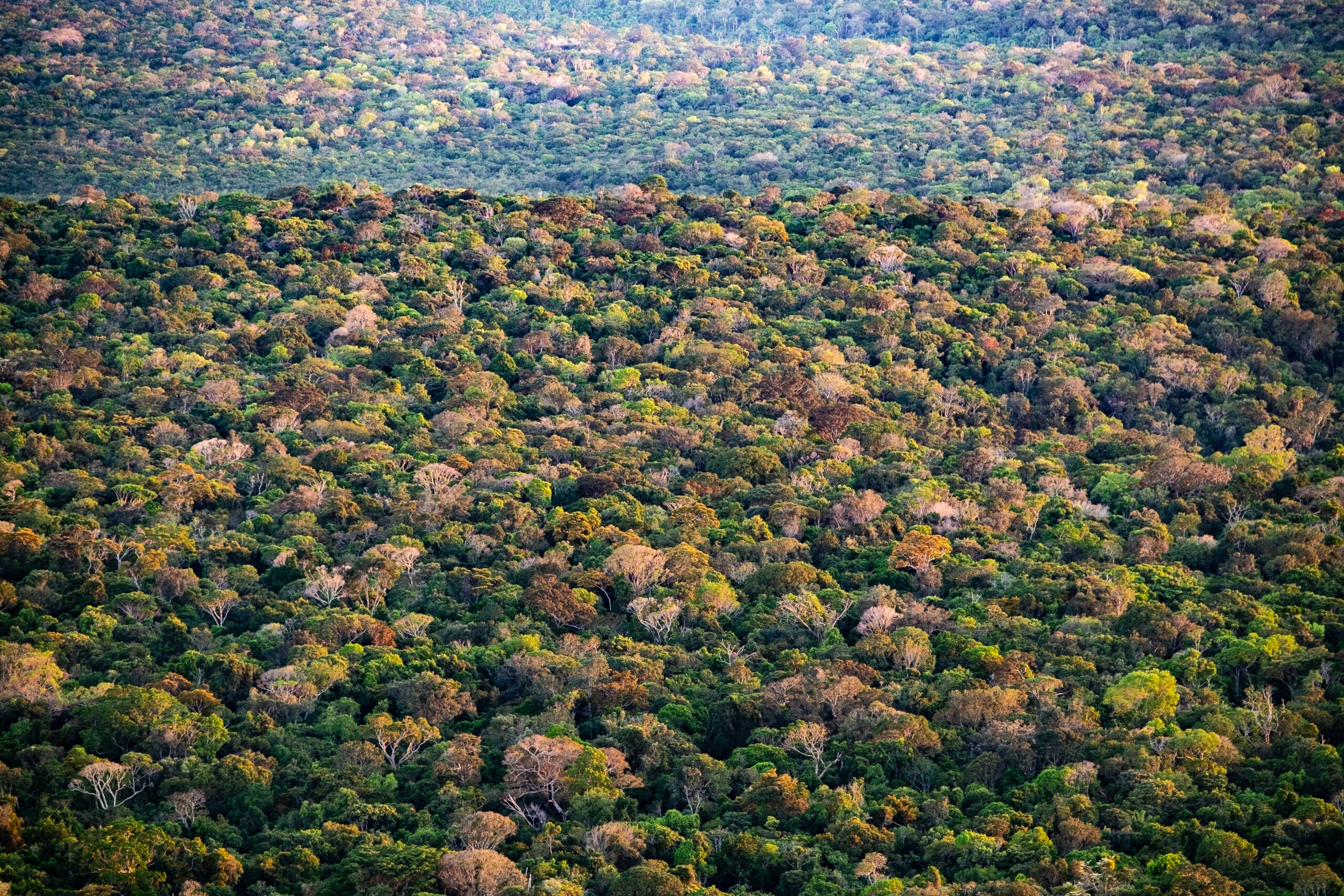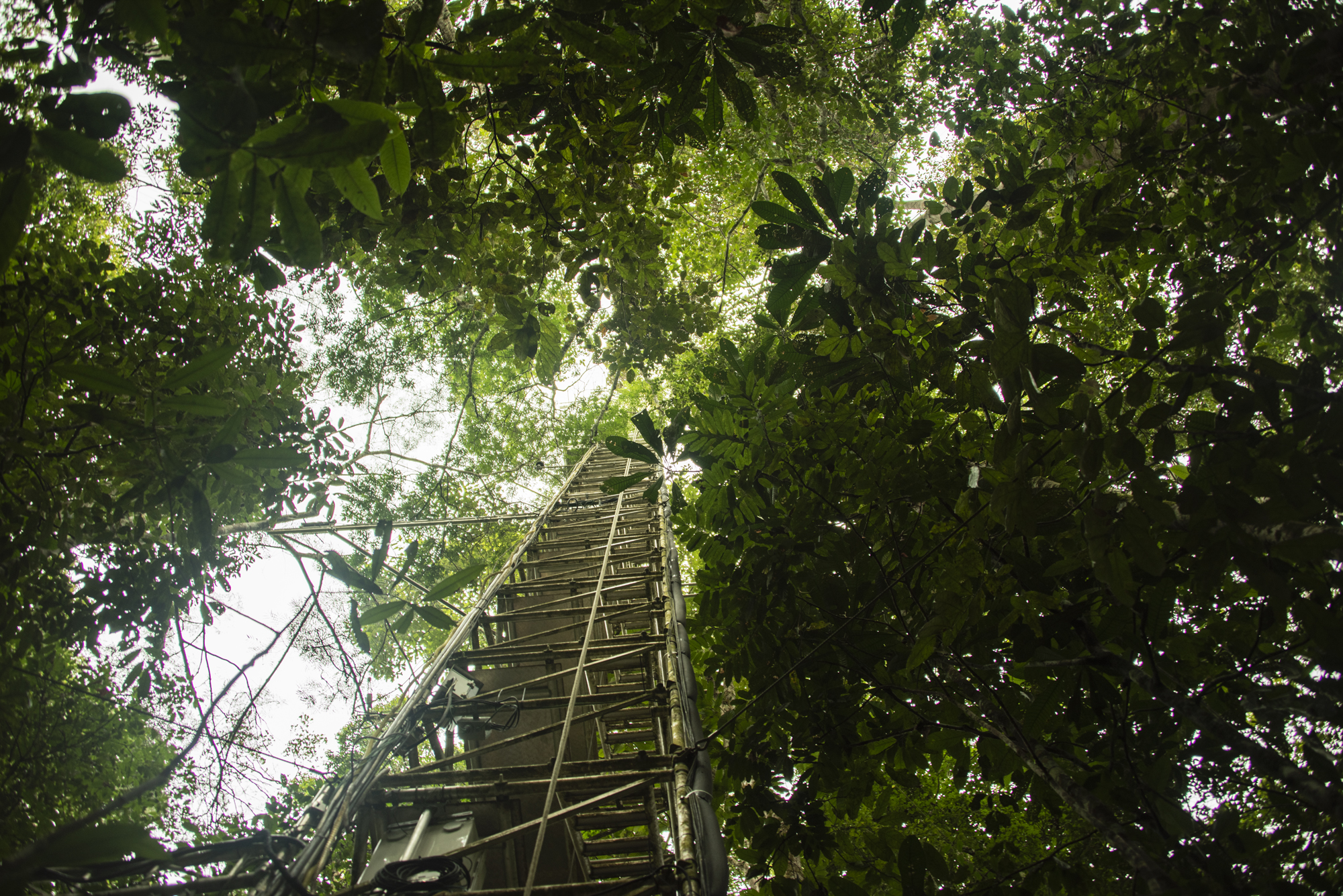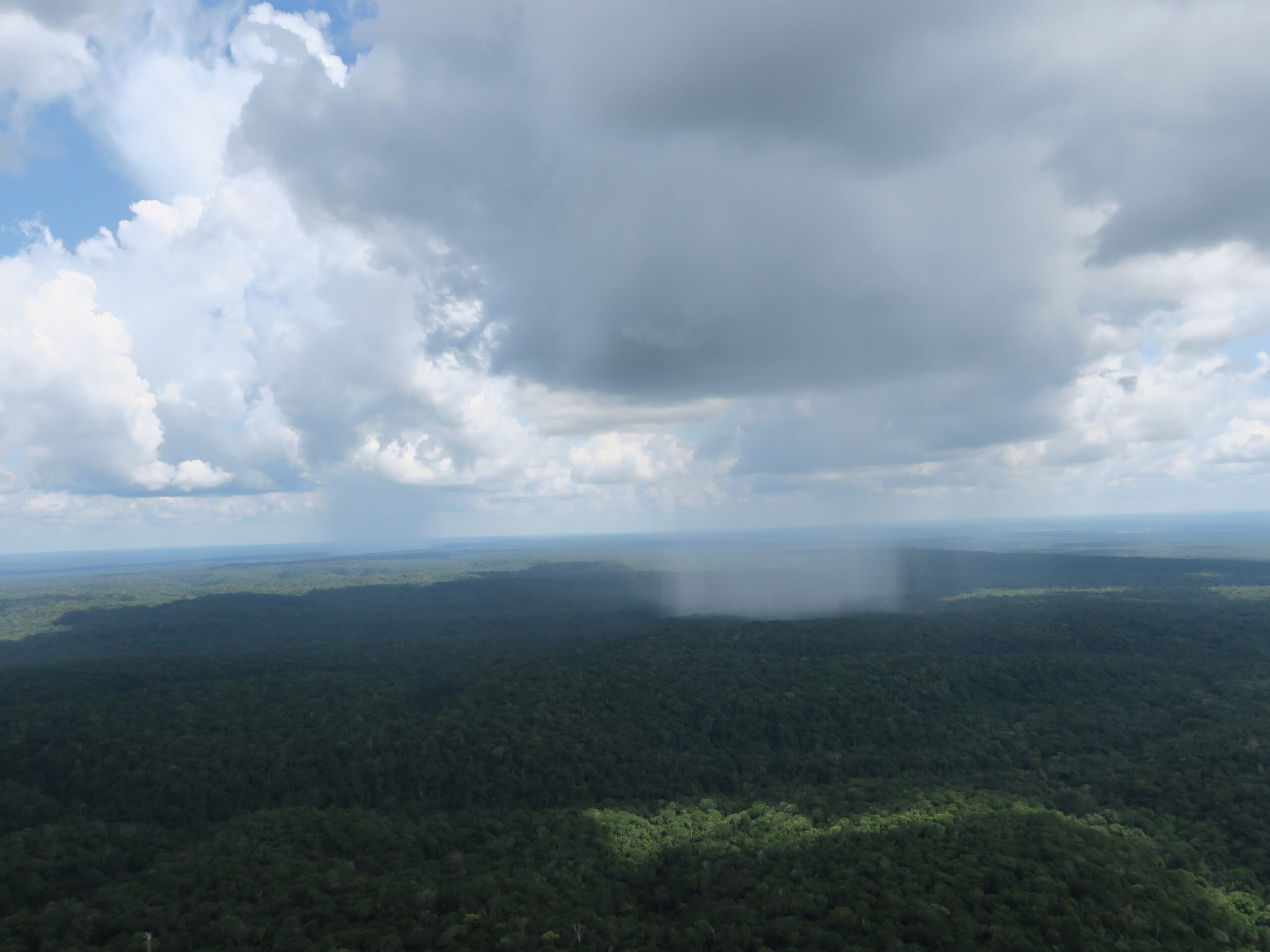
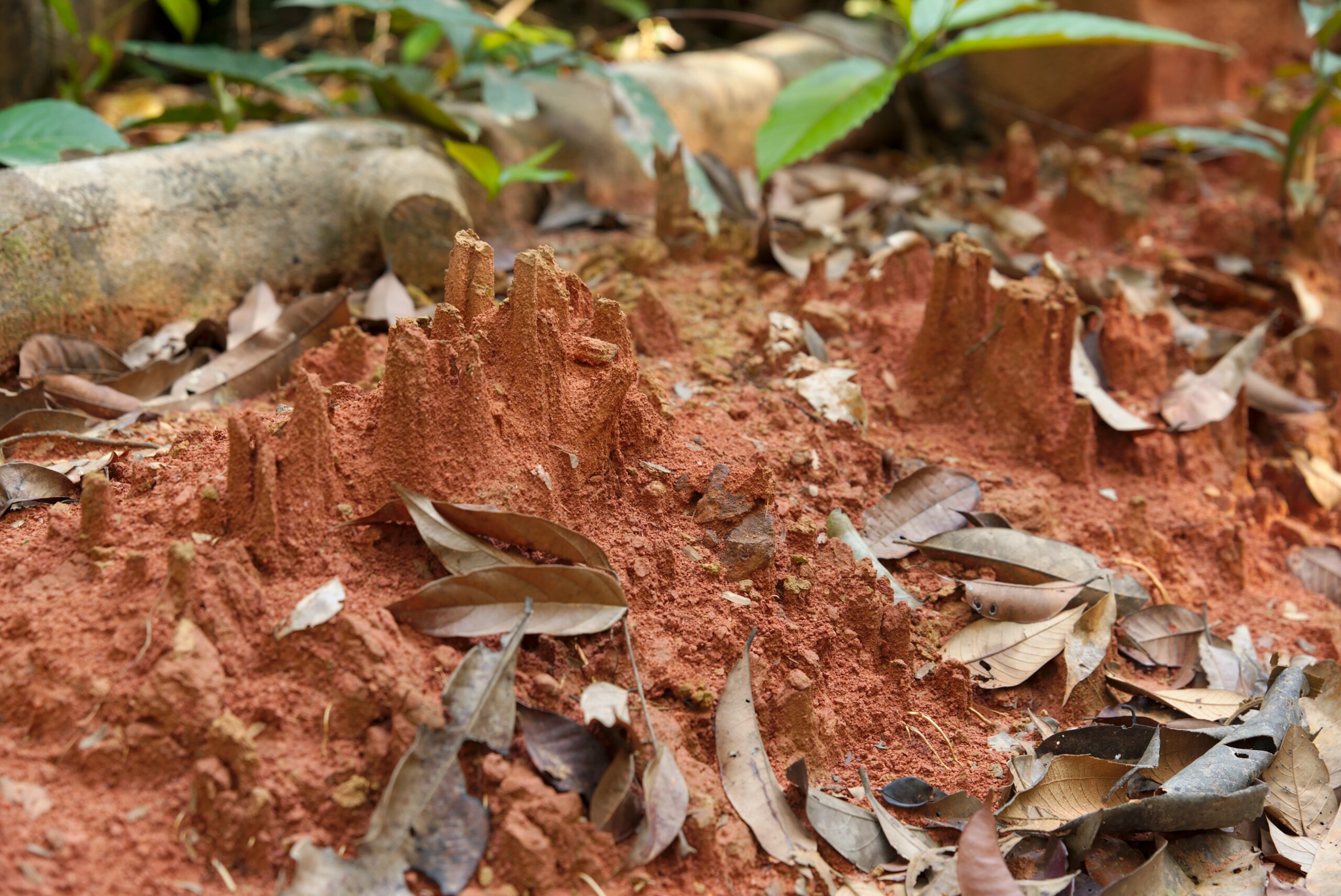
Trees in the Amazon are constantly exchanging gases with the atmosphere. But they are not alone. Under the canopy, soils and litter on the forest floor are constantly releasing and taking up important gases. They exchange carbon dioxide, methane and a wide range of other compounds. These include biogenic volatile organic compounds (BVOCs) – lightweight carbon-based molecules that influence air chemistry and climate. Despite their importance, we still know surprisingly little about BVOC and methane fluxes from soils and litter. And we know even less about how these fluxes vary across different forest types and environmental conditions in the Amazon.
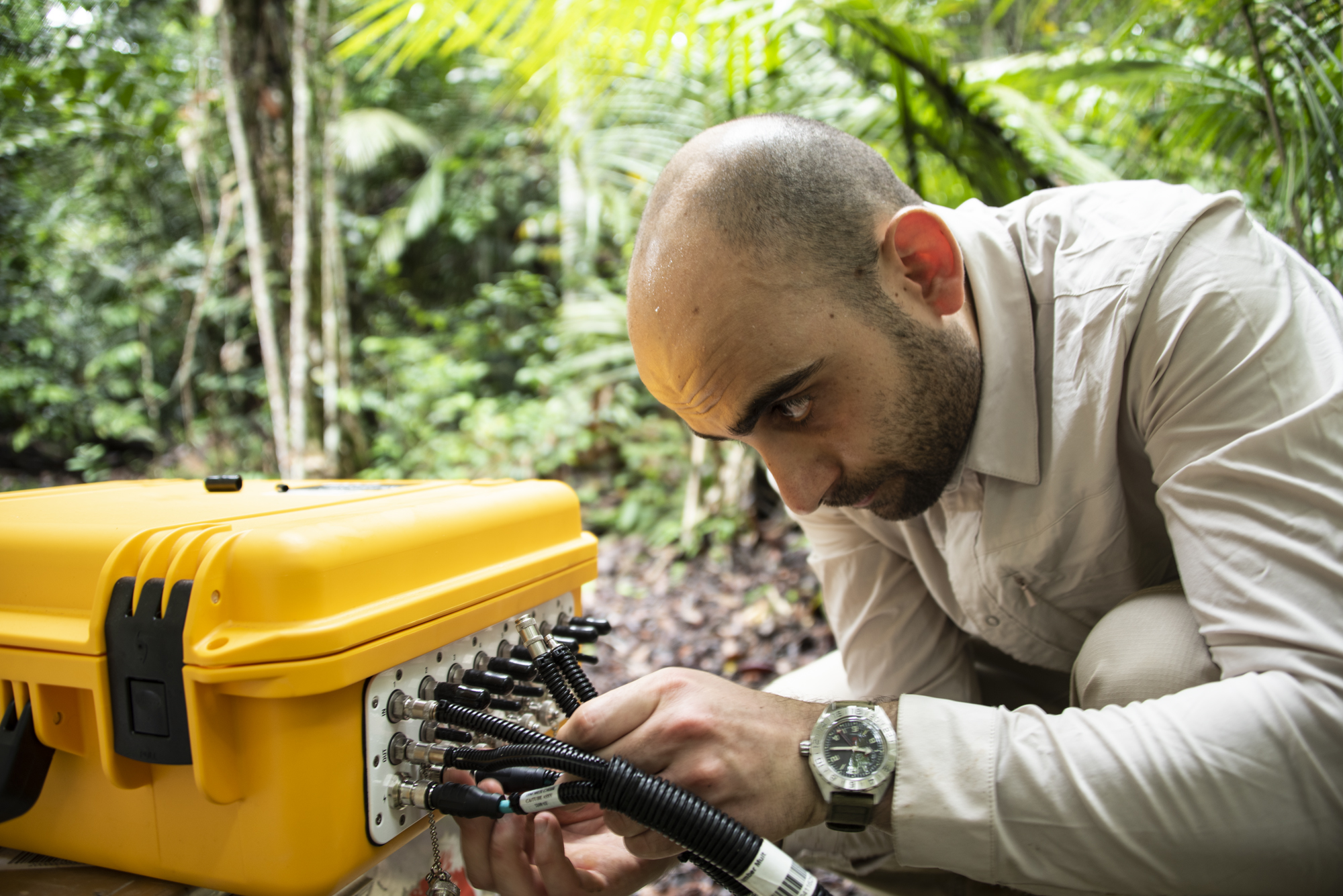
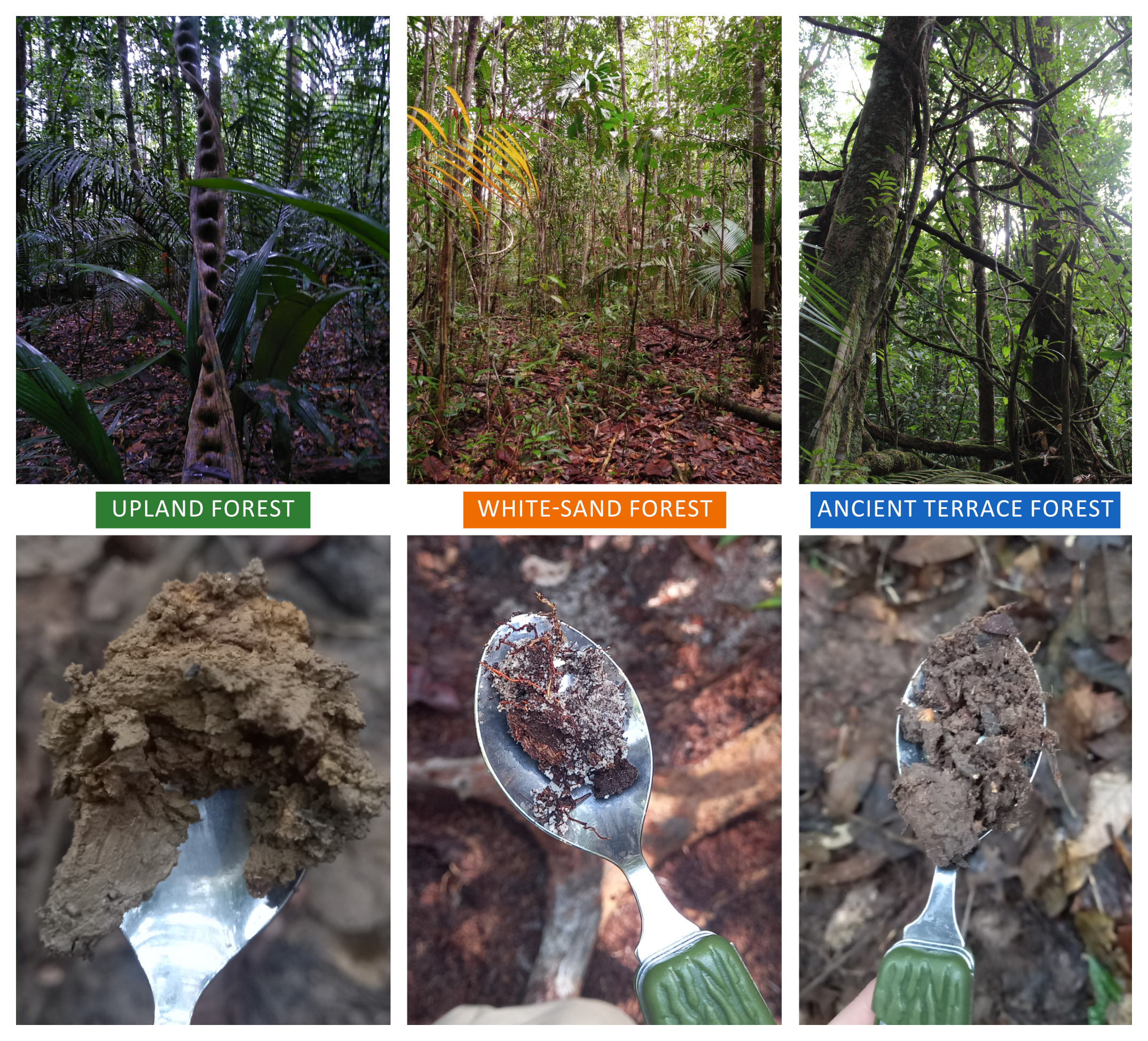
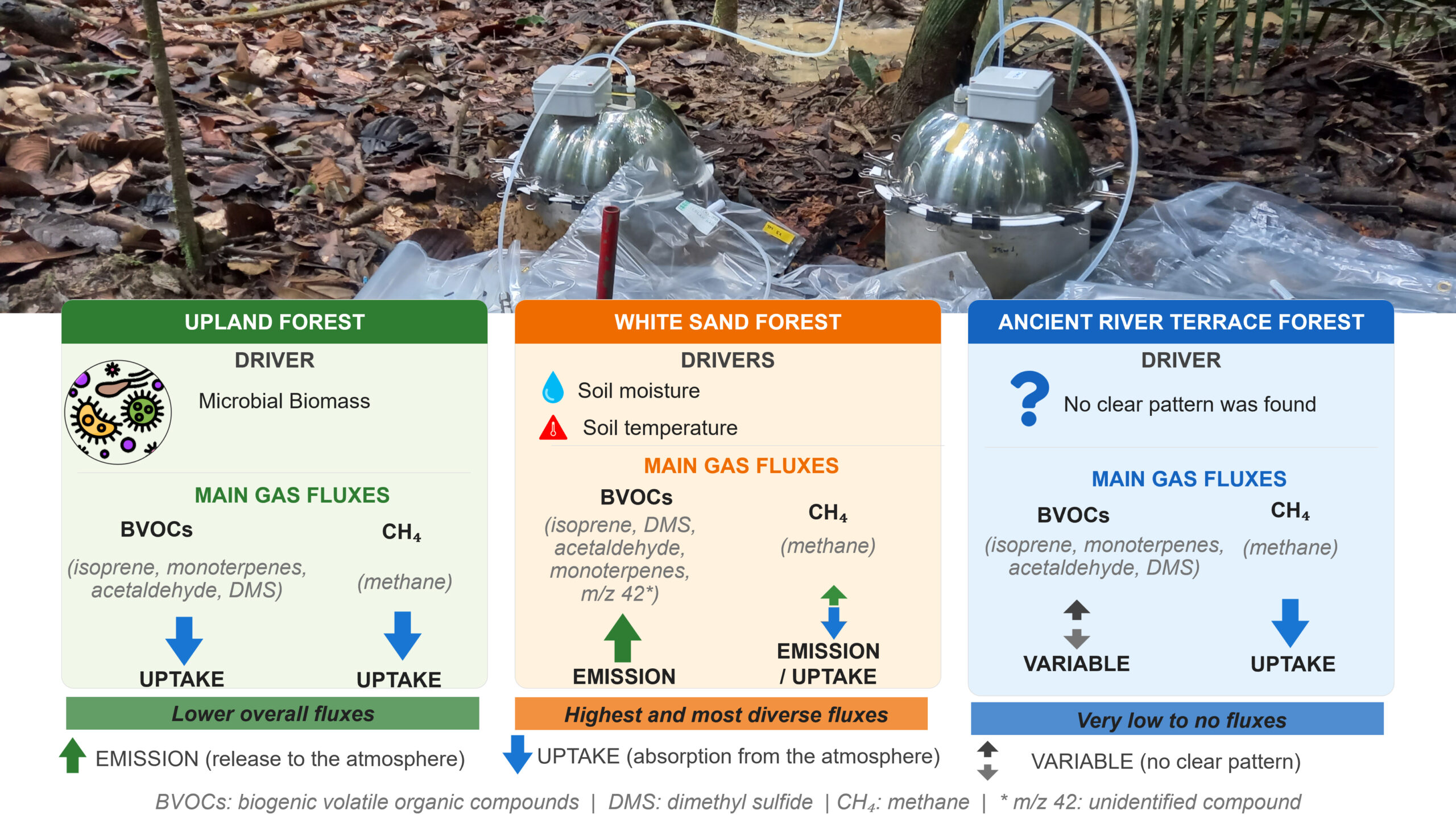
To learn more, Débora Pinheiro-Oliveira and her colleagues investigated how forest diversity and environmental conditions shape the fluxes of BVOCs and methane in the soil–litter layer. To do this, they focused on three contrasting ecosystems in the central Amazon: White-sand Forest (campinarana), Upland Forest (terra firme), and Ancient River Terrace Forest. Across these environments, they used soil chambers to measure whether soils and litter released or took up gases. In addition, they investigated how this exchange related to factors such as nutrient availability, microbial activity, temperature, and moisture.
The researchers found that gas fluxes varied strongly across forest types. White Sand Forest showed the highest and most dynamic gas fluxes, with both strong emissions and uptake of gases. Emissions were particularly high for compounds such as acetaldehyde, isoprene and methane, while other compounds, such as monoterpenes, were predominantly taken up. In contrast, Upland Forest had lower overall fluxes, with moderate emissions and uptake of gases like dimethyl sulfide, isoprene, and acetaldehyde. And the Ancient River Terrace Forest showed almost no significant fluxes at all. Statistical models revealed that soil moisture and temperature were the main drivers of these gas exchanges in the White Sand Forest, whereas soil microbial biomass was the main driver in the Upland Forest.
These results show that Amazon soils are far from uniform. Instead, forest diversity and environmental conditions create a mosaic of gas exchange processes across the region. This is important because these gases influence atmospheric chemistry and climate. Even though White Sand Forests cover only a small fraction of the Amazon basin, they can play a large role in regional BVOC and methane fluxes under certain environmental conditions. For climate models, this means that treating the Amazon as a single, uniform system risks missing important differences in how forests interact with the atmosphere. By better understanding how gas fluxes vary across forest types, scientists can improve predictions of how an increasingly variable climate—such as more intense droughts or shifts in rainfall—will affect the Amazon’s contribution to atmospheric chemistry and global warming, and how these changes may, in turn, feedback on the climate system.
Pinheiro‑Oliveira and colleagues published the study “Forest diversity and environmental factors shape contrasting soil–litter fluxes of biogenic volatile organic compounds and methane in three central Amazonian ecosystems” Open Access in the journal Biogeosciences.
Similar articles
A hidden mechanism continuously forms new aerosol particles from gaseous precursors in the Amazon rainforest, challenging previous assumptions about the sources of cloud condensation nuclei and their role in the hydrological cycle and climate.
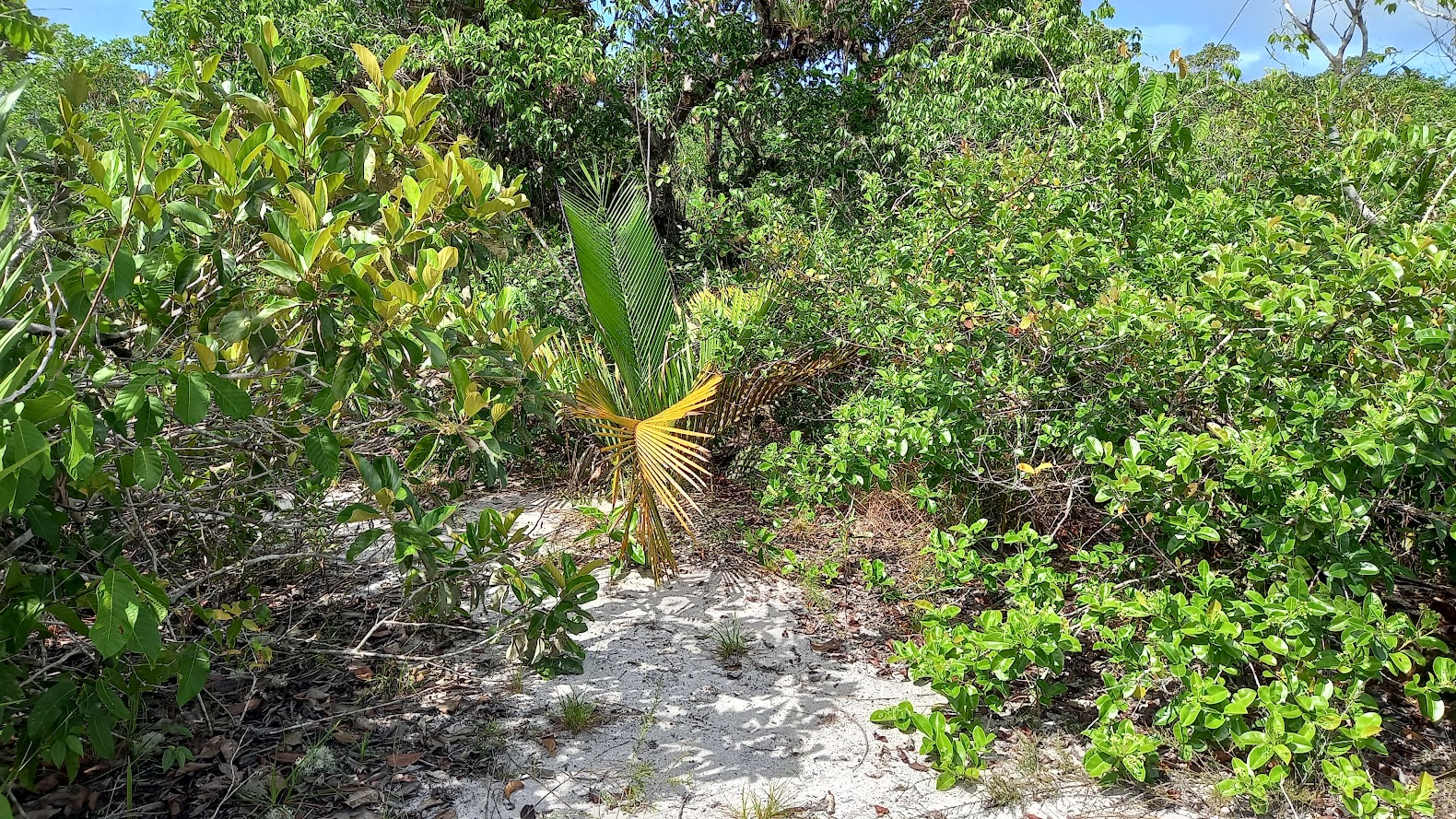
A new study shows that drought stress reorganizes soil carbon sources in Amazon white-sand forest soils, increasing ecosystem stress and affecting carbon and nutrient cycles.
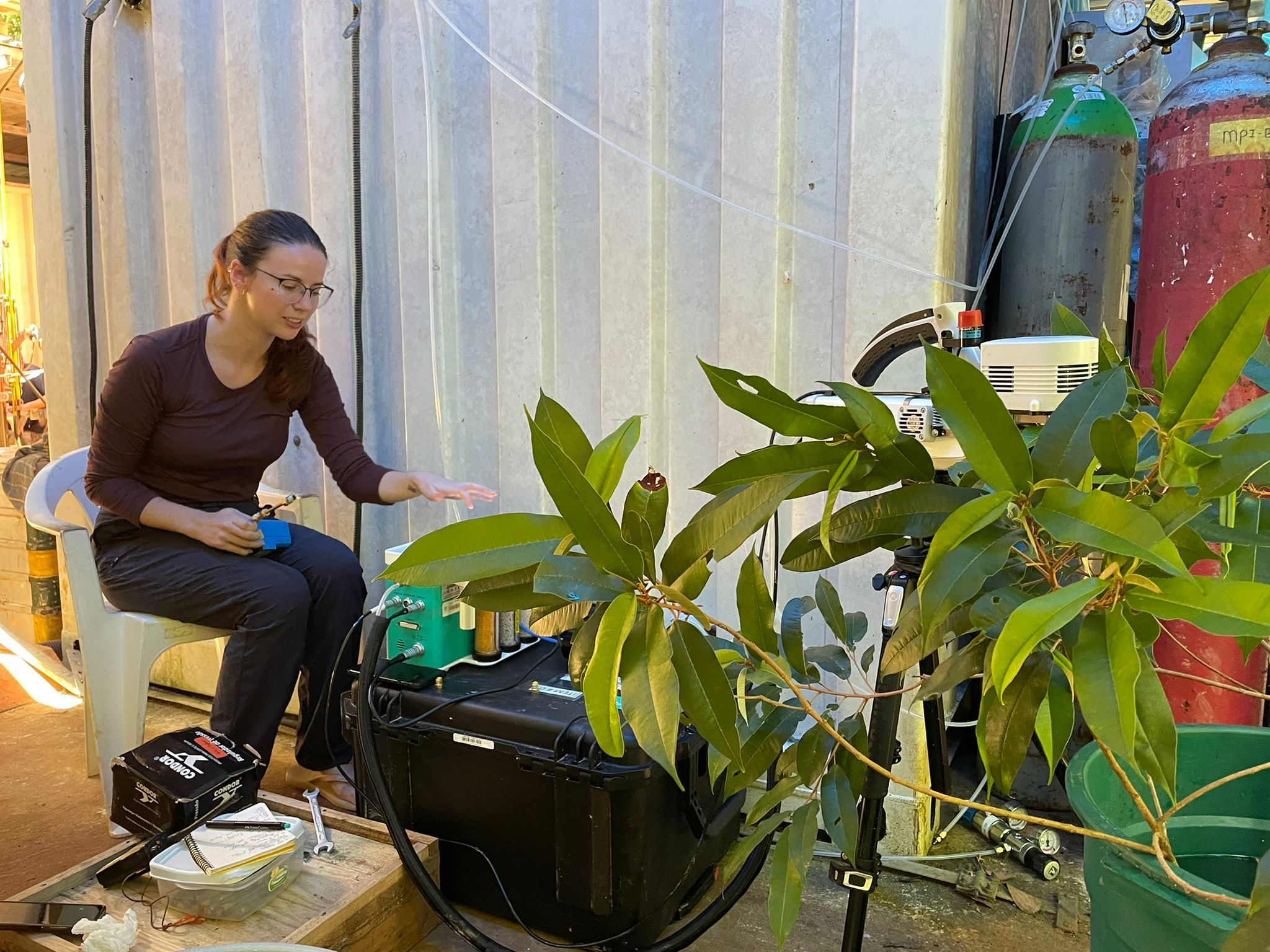
A new study by Robin et al. shows: tree growth strategies influence BVOC emissions in the Amazon, with surprising differences between isoprene and monoterpene producers.
Lange et al. analyzed dissolved organic matter (DOM) in terra firme and white sand soils in the Amazon to learn about the potential limitations of the important nutients phosphorous, nitrogen and sulfur in the different forest and soil types prevalent across the Amazon rainforest.
Scientists measured carbonyl compounds in the atmosphere of the Amazon rainforest with the adopted instrumentation to separate aldehydes and ketones. They made some unexpected discoveries, showing studying the variety of carbonyl compounds separately is extremely worthwhile.
Direct measurements of OH radicals are rare and difficult to achieve. However, since they react with BVOCs, Ringsdorf et al. inferred them from isoprene measurements at ATTO. To do so, they applied a technique called ‘Dynamical Time Warping’ from the field of speech recognition. Akima Ringsdorf et al. published the study “Inferring the diurnal variability of OH radical concentrations over the Amazon from BVOC measurements” Open Access in Nature Scientific Reports.
Eliane Gomes Alves and her colleagues measured isoprene emissions at the ATTO 80-meter tower across three years to better understand how these emissions vary seasonally and under extreme climatic conditions like El Niño events. They also looked into which biological and environmental factors regulate the emission of isoprene to the atmosphere.
BVOC emissions in the Amazon have been studied for decades, but we still don’t fully understand when and under what conditions tree species or even individual trees emit more or fewer isoprenoids. To address this, Eliane Gomes Alves and her colleagues measured isoprenoid emission capacities of three Amazonian hyperdominant tree species.
Mosses and lichen appear to play a previously overlooked but important role in the atmospheric chemistry of tropical rainforests. A new study from Achim Edtbauer and colleagues shows that such cryptogams emit highly reactive and particle-forming compounds (BVOCs) that are important for air quality, climate, and ecosystem processes.
Biogenic volatile organic compounds remove OH from the atmosphere through chemical reactions, which affects processes such as cloud formation. In a new study, Pfannerstill et al. reveal the important contributions of previously not-considered BVOCs species and underestimated OVOCs to the total OH reactivity.