The following text is a press release provided by the Max Planck Institute for Chemistry.
Aerosols are tiny particles suspended in the air, which influence the climate and the hydrological cycle by serving as nuclei for clouds and precipitation. In clean Amazonian rainforest air, however, new particle formation was rarely observed. The origin of most aerosol particles remained enigmatic and was tentatively attributed to distant sources and long-range transport. High-precision long-term measurements at the Amazon Tall Tower Observatory (ATTO) have now led to the discovery of a process called Quiet New Particle Formation, which continuously converts condensable vapors into nanometer-sized organic aerosol particles. This previously undetected mechanism can explain a large fraction of the nanometer-sized aerosol particles observed during the wet season in the Amazon rainforest.
Atmospheric aerosol particles play a key role in the formation of clouds and precipitation and in the evolution of the hydrological cycle and climate. However, their origin in the pristine air of the Amazon rainforest has long remained unclear. A new study led by the Max Planck Institute for Chemistry and the University of São Paulo now shows that aerosol particles can form continuously in the forest’s lower atmosphere, even under conditions previously considered unfavorable for particle formation. Although the rates of particle formation and growth are relatively small compared to other environments, they become highly relevant under the exceptionally clean conditions of the Amazon wet season, where particle number concentrations, that is the number of particles per unit volume, are very low.
Particle size distributions at ATTO analyzed over ten years
An international team of researchers analyzed particle size distributions from high-precision long-term measurements at the Amazon Tall Tower Observatory (ATTO) over a period of ten years to obtain unique insights into how nanometer-sized particles behave under pristine atmospheric conditions. This approach allowed them to identify subtle but persistent signals of new particle formation that are typically hidden within atmospheric variability. The results reveal that nanoparticle formation is not limited to rare or intense atmospheric events but also occurs regularly in a subtle and previously overlooked manner.
“We used to think that new particle formation in the Amazon rarely occurred near the forest canopy and was mainly driven by processes in the upper troposphere or rain-related events and downward transport,” says Bruno Backes Meller, team leader at the Max Planck Institute for Chemistry and first author of the study. “Now we show that a hidden mechanism produces nearly half of the particles in the 10 to 25 nanometer size range in the planetary boundary layer without relying on downdrafts or long-range transport.” The planetary boundary layer extends from the surface to an altitude of one to two kilometers.
The study suggests that the growth of these newly formed clusters is driven by low-volatility organic compounds produced from the oxidation of gases emitted by vegetation. These compounds can condense onto molecular clusters, enabling them to grow to sizes relevant for cloud formation.
Atmospheric models need to be refined
“Our recent findings change traditional views about the sources of nuclei for clouds and precipitation in the Amazon”, says Ulrich Pöschl, co-author and director at the Max Planck Institute for Chemistry. “The discovery of a continuous and widespread source of newly formed particles in tropical rainforest air suggests that atmospheric models need to be refined for an accurate representation of aerosol-cloud and atmosphere-biosphere interactions in the Earth system”.
“With higher temperatures and a very different chemical environment near the forest, the compounds and chemical mechanisms driving this type of particle formation are likely distinct from those observed in the upper troposphere,” says Paulo Artaxo, corresponding author from the University of Sao Paulo. “Understanding these processes will be crucial for predicting how the Amazonian atmosphere and rainforest ecosystem respond to environmental and climate change.”
Beckes Meller et al. published the study “Quiet New Particle Formation is a significant aerosol source in the Amazon boundary layer” Open Access in the journal ACP letters.
Similar articles
New study by the Max Planck Institute for Chemistry shows: The ratio of certain forest scent molecules provides precise insights into the stress state of the rainforest.
Atmospheric aerosol particles are essential for the formation of clouds and precipitation, thereby influencing the Earth’s energy budget, water cycle, and climate. However, the origin of aerosol particles in pristine air over the Amazon rainforest during the wet season is poorly understood. A new study reveals that rainfall regularly induces bursts of newly formed nanoparticles in the air above the forest canopy.
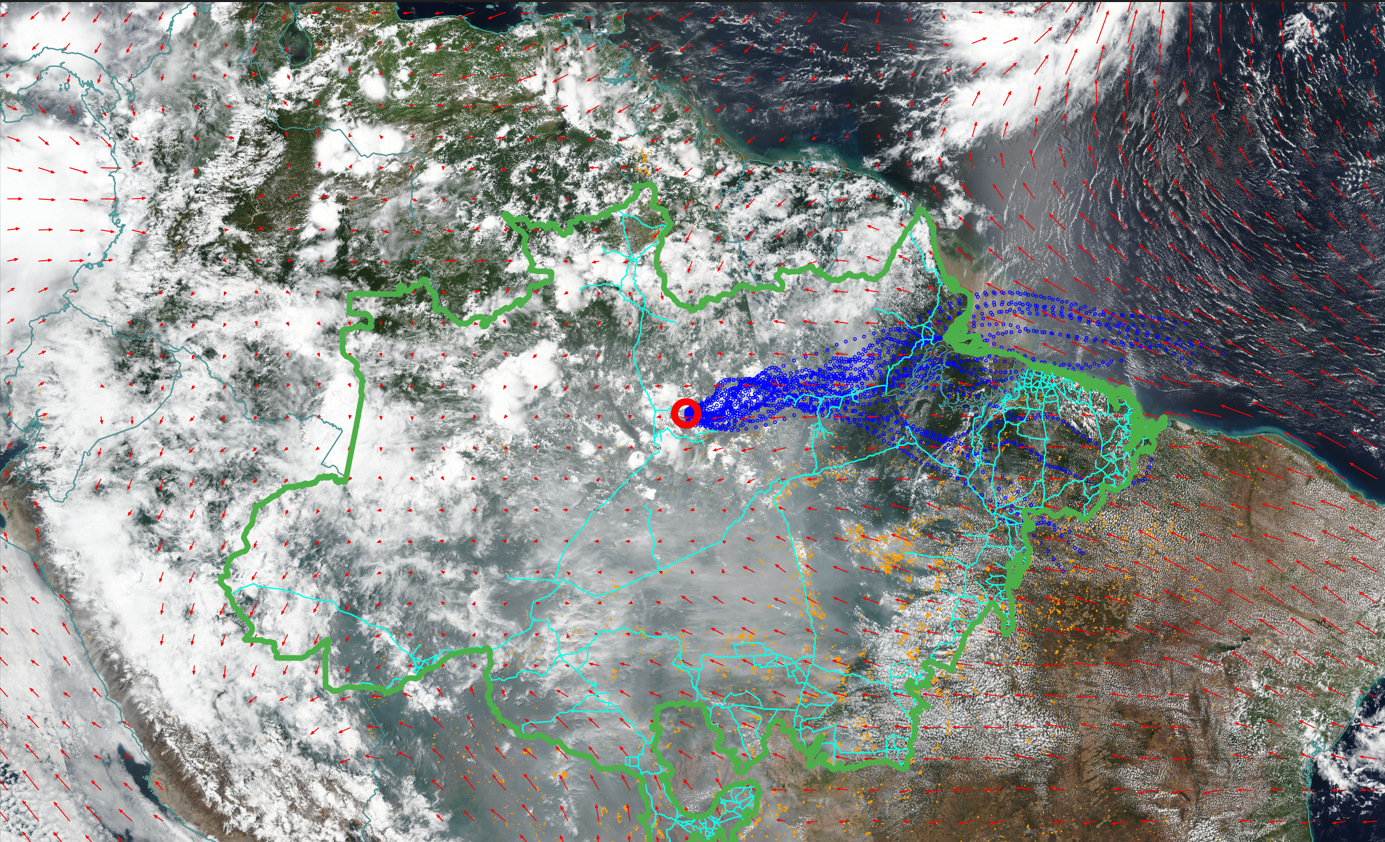
More soot particles enter the central Amazon rainforest from brush fires in Africa than from regional fires at certain times.
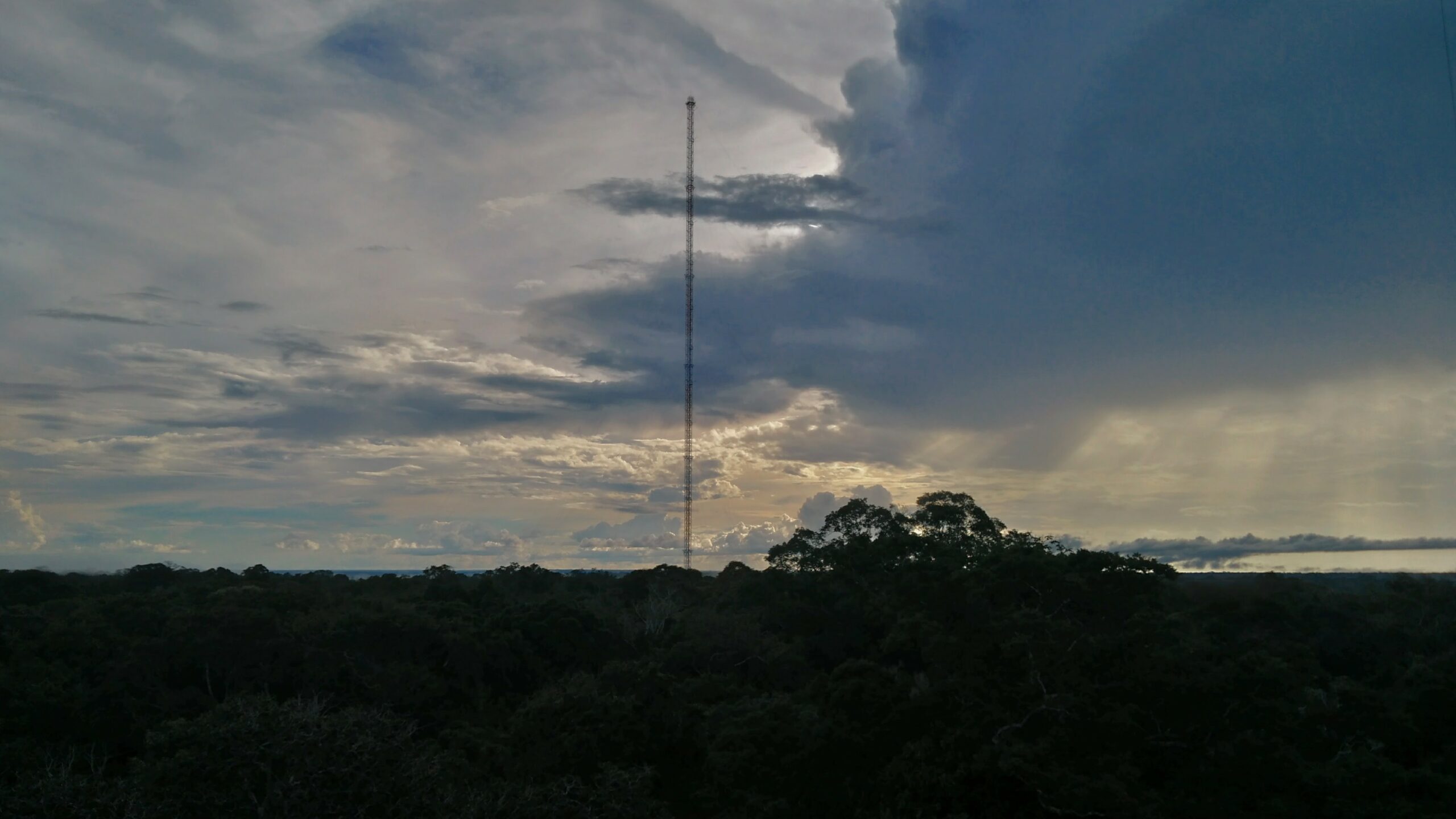
In a new study, Marco A. Franco and his colleagues analyzed when and under what conditions aerosols grow to a size relevant for cloud formation. Such growth events are relatively rare in the Amazon rainforest and follow and pronounced diurnal and seasonal cycles. The majority take place during the daytime, and during the wet season. But the team also discovered a few remarkable exceptions.
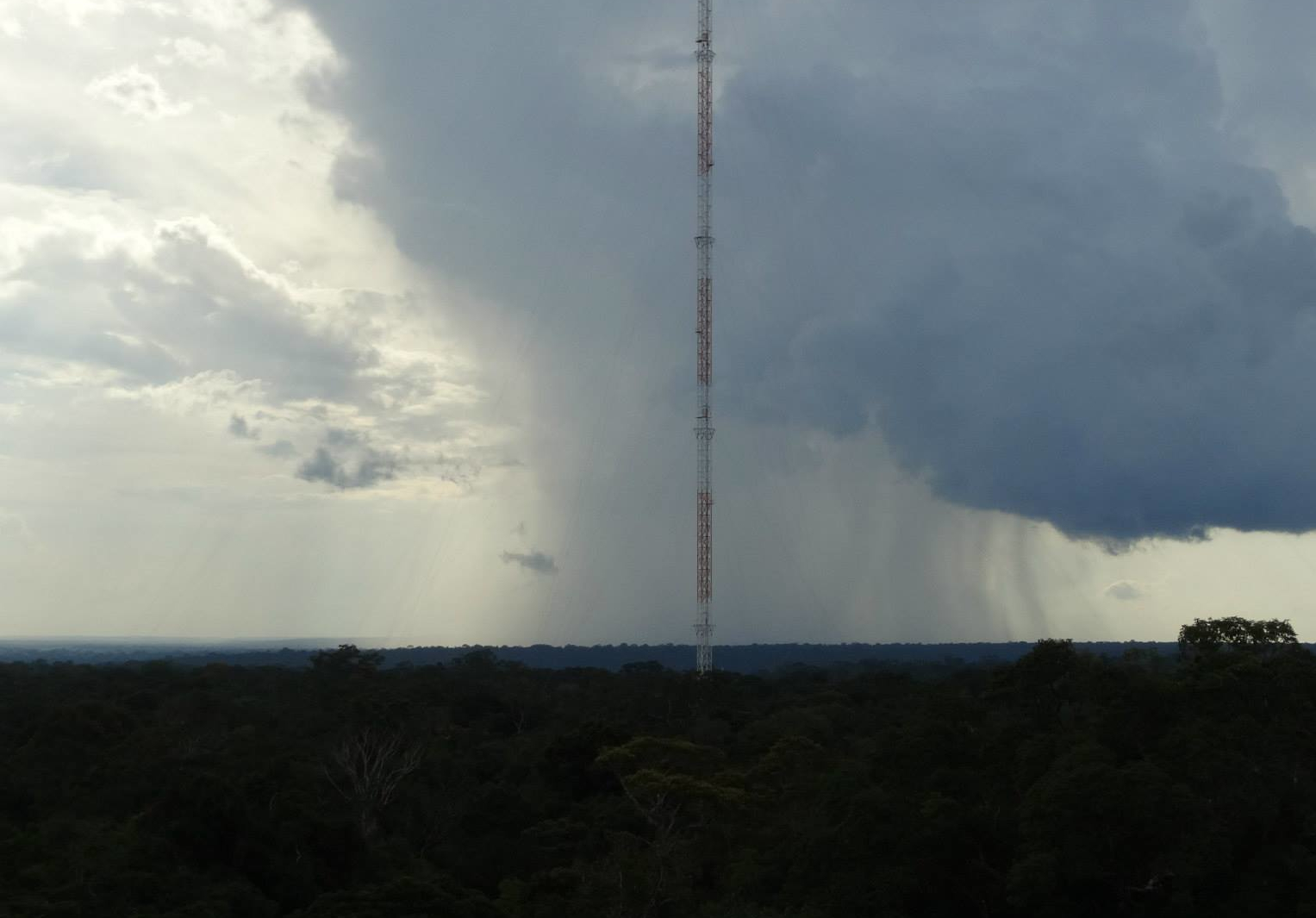
It is long known that aerosols, directly and indirectly, affect clouds and precipitation. But very few studies have focused on the opposite: the question of how clouds modify aerosol properties. Therefore, Luiz Machado and his colleagues looked into this process at ATTO. Specifically, they studied how weather events influenced the size distribution of aerosol particles.
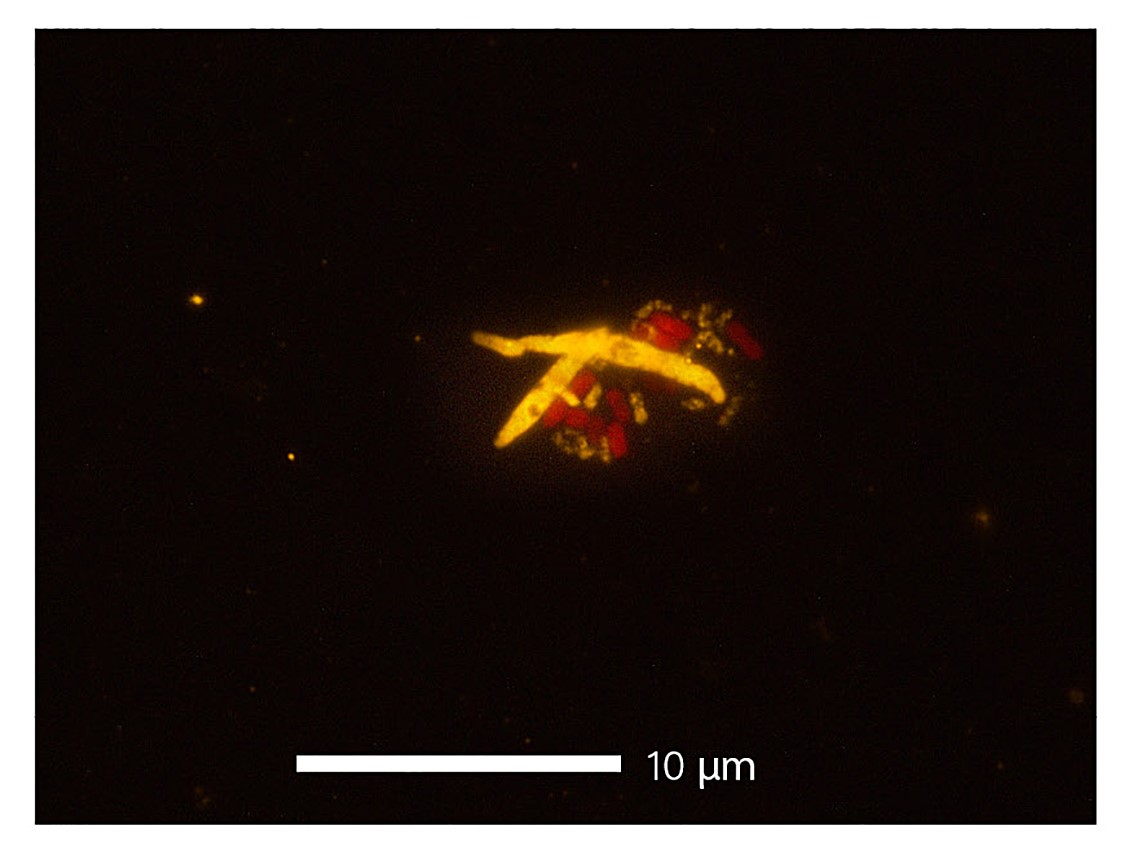
The Amazon rain forest plays a major role in global hydrological cycling. Biogenic aerosols, such as pollen, fungi, and spores likely influence the formation of clouds and precipitation. However, there are many different types of bioaerosols. The particles vary considerably in size, morphology, mixing state, as well as behavior like hygroscopicity (how much particles attract water) and metabolic activity. Therefore, it is likely that not only the amount of bioaerosols affects the hydrological cycle, but also the types of aerosols present.
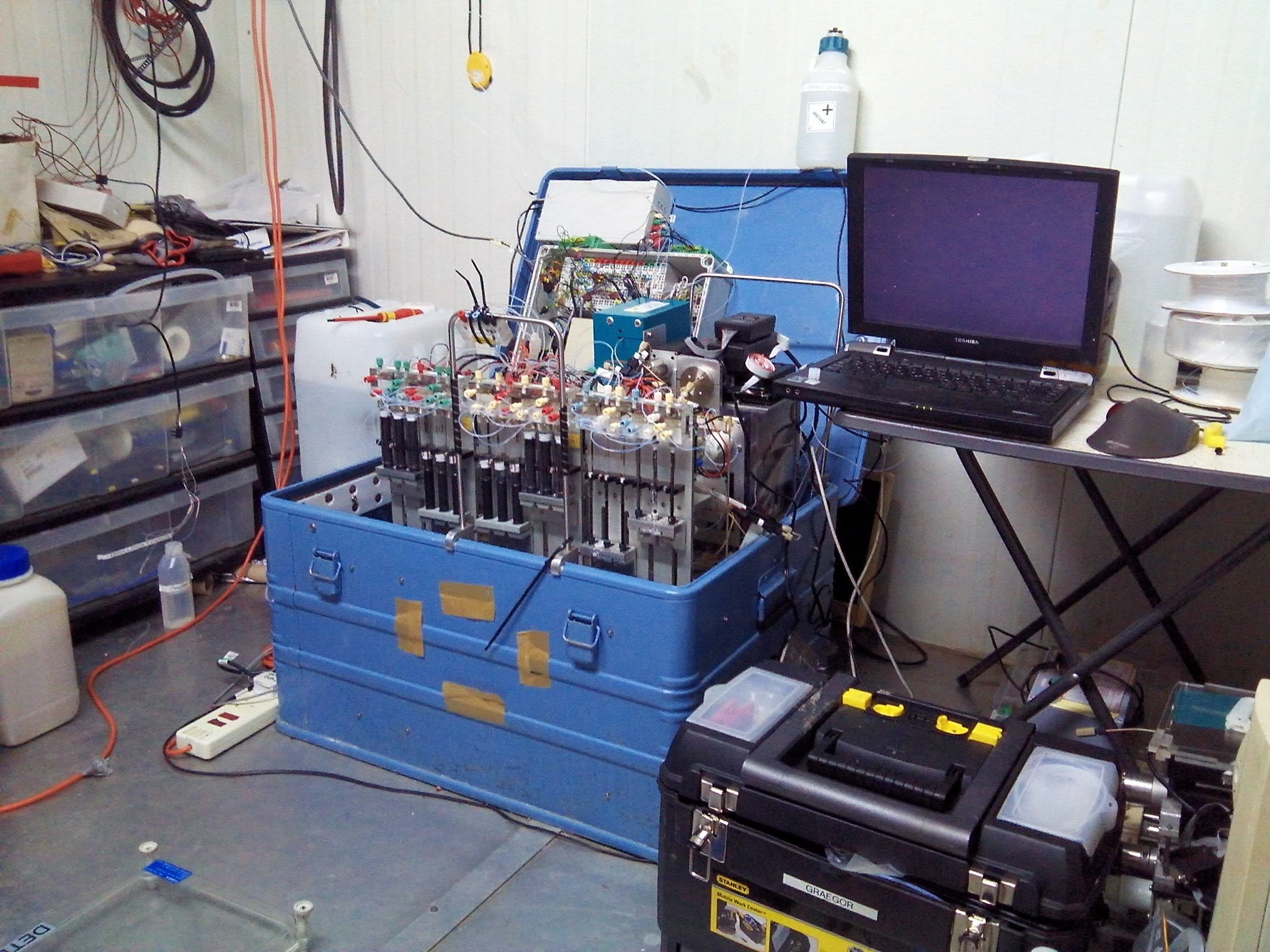
Ramsay et al. measured inorganic trace gases such as ammonia and nitric acid and aerosols in the dry season at ATTO. They are to serve as baseline values for their concentration and fluxes in the atmosphere and are a first step in deciphering exchange processes of inorganic trace gases between the Amazon rainforest and the atmosphere.
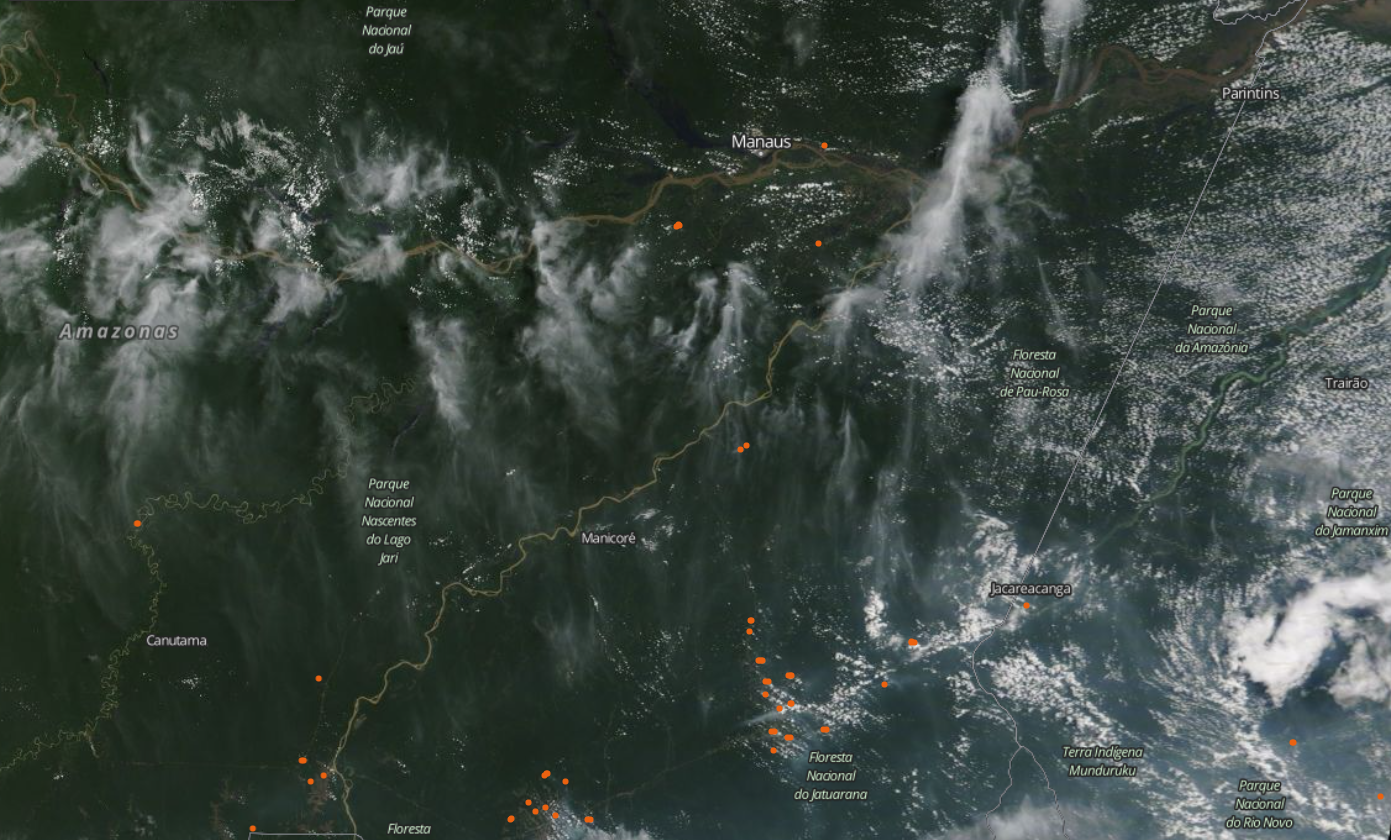
Soot and other aerosols from biomass burning can influence regional and global weather and climate. Lixia Liu and her colleagues studied how this affects the Amazon Basin during the dry season. While there are many different interactions between biomass burning aerosols and climate, they found that they overall lead to fewer and weaker rain events in the Amazon rainforest.
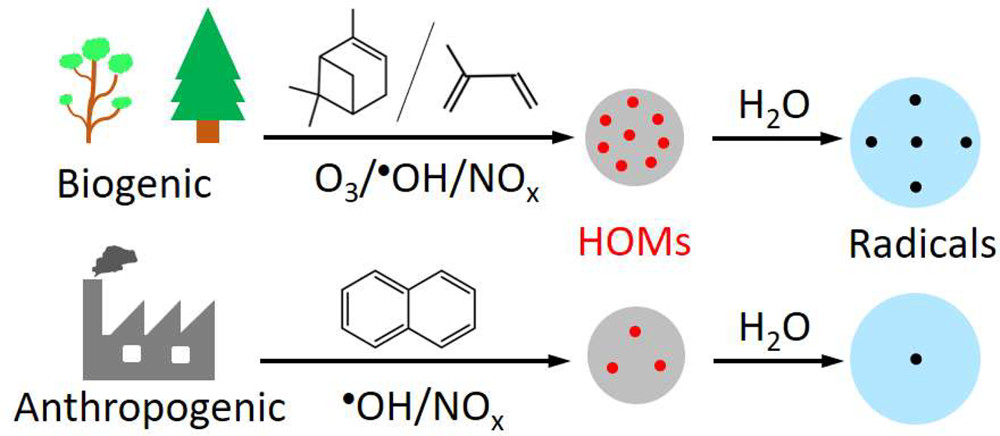
In a new study, Dr. Haijie Tong and co-authors studied a subset of PM2.5, the so-called highly oxygenated molecules (HOMs) and its relationship with radical yield and aerosol oxidative potential. They analyzed fine particulate matter in the air in multiple locations. This including the highly polluted megacity Bejing and in the pristine rainforest at ATTO. They wanted to get insights into the chemical characteristic and evolutions of these HOM particles. In particular, they wanted to find out more about the potential of HOMs to form free radicals. These are highly reactive species with unpaired electrons.
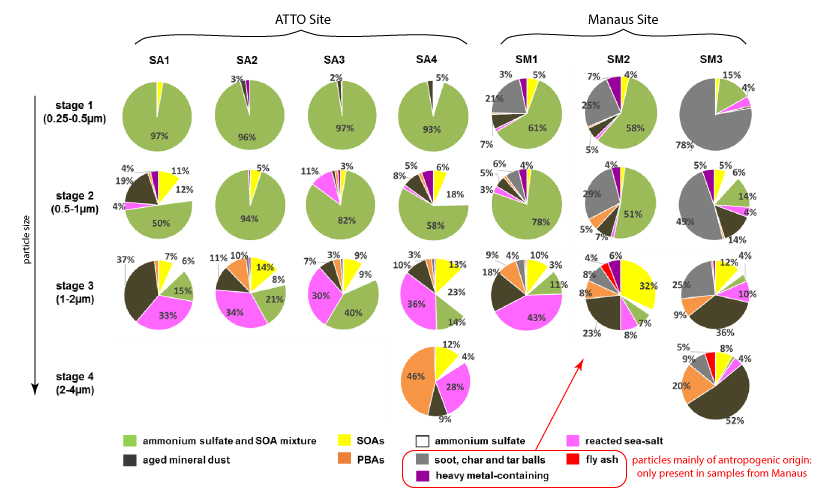
Wu et al. collected and analyzed aerosols in two locations: the city of Manaus, a large urban area in Brazil, and the ATTO site in the heart of the forest. The aerosol compositions varied largly. At ATTO most aerosols were emitted by the forest itself, while in Manaus, anthropogenic aerosols were very common. The results were published in ACP.
