
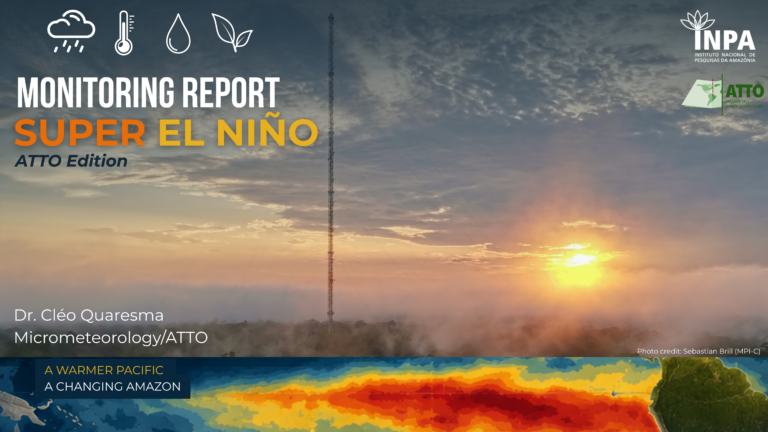
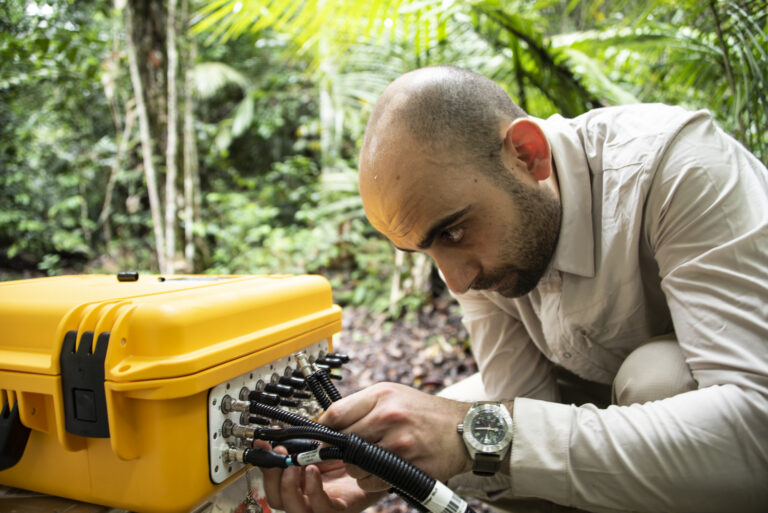
The ATTO Micrometeorology Team is monitoring atmospheric and soil conditions,
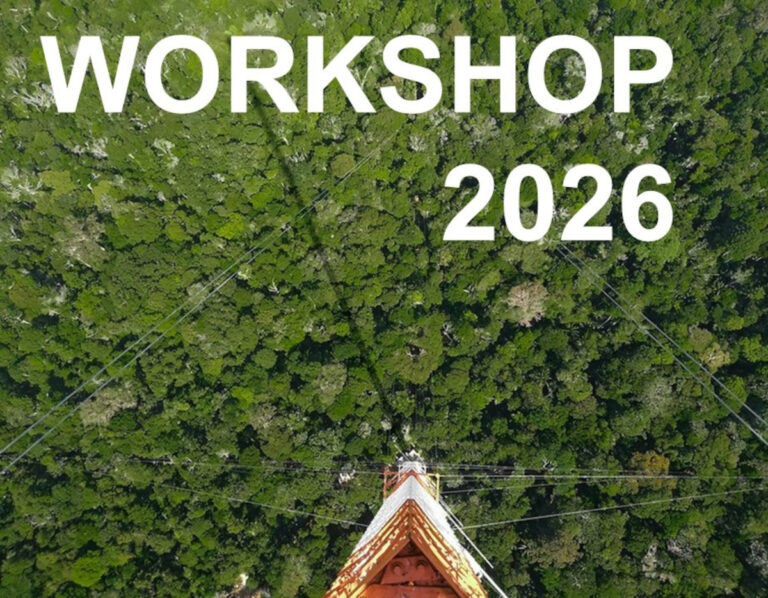
Dear ATTO community The ATTO workshop 2026 will take place at
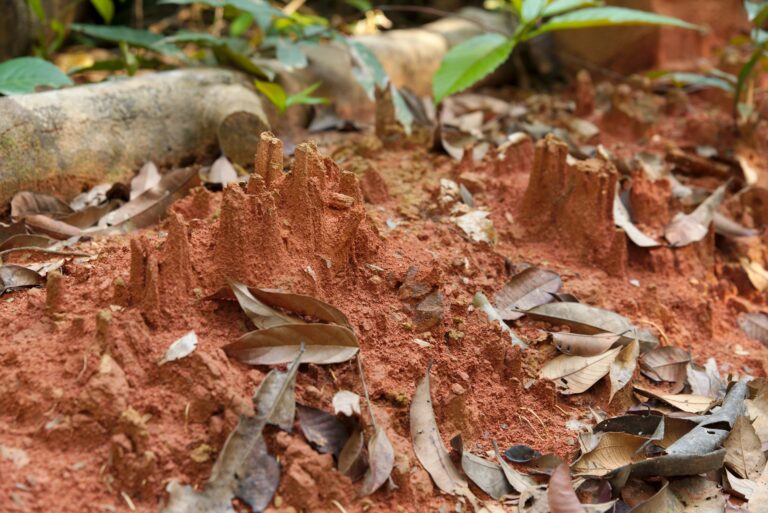
In a new study, Johanna Schüttler and her colleagues explored how soil in the Amazon rainforest releases or takes up BVOC across different seasons. They focused on key reactive compounds like isoprene, monoterpenes, sesquiterpenes, and two isoprene oxidation products: methacrolein and methyl vinyl ketone.
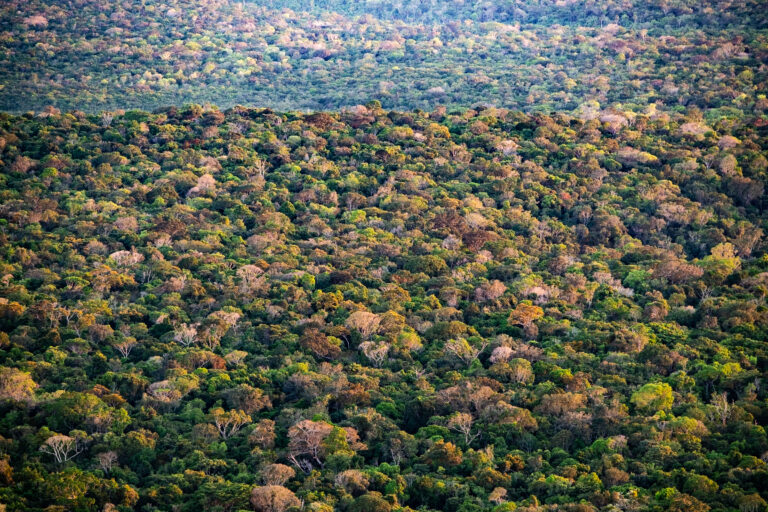
A new study reveals that leaf turnover strategies and heat stress in Amazonian trees affect atmospheric chemistry and carbon cycling: trees, and in particular brevideciduous trees, emit more and more carbon-rich volatile organic compounds as temperatures rise.
The El Niño drought and heat suppress the capacity of the Amazon rainforest soil to absorb isoprene by a factor of four, while boosting its amount around the forest canopy.
During the 2023–2024 El Niño – the most severe drought ever recorded in the Amazon basin – tree emissions of sesquiterpenes surged. Unexpected emissions of sesquiterpene alcohols in the wet season after the drought, suggesting the forest’s stress-defense metabolism stays active long after the immediate stress has passed.
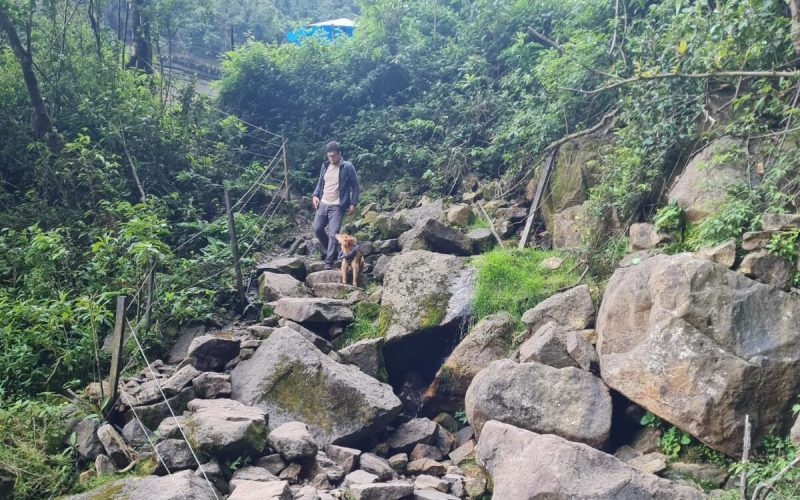
Hola! My name is Mario Cárdenas, and I am a PhD student in the Atmosphere-Biosphere Signal Attribution in the Tropics (BSAT) group at the Max Planck Institute for Biogeochemistry in Jena, Germany.
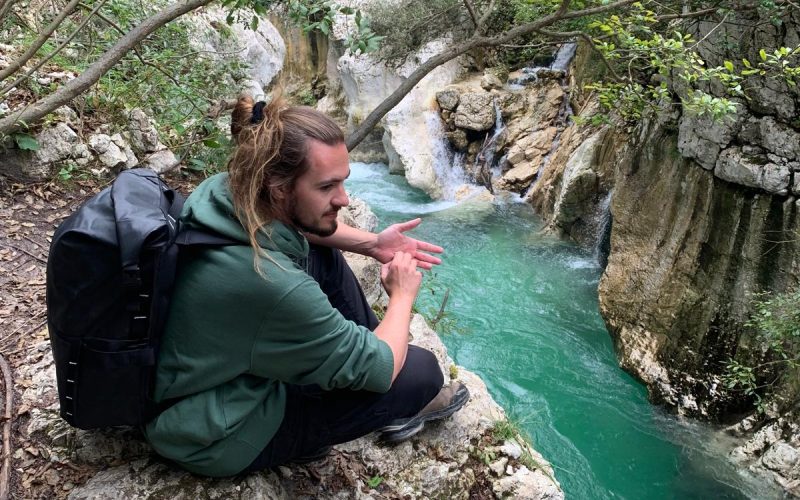
My name is Gerrit, and I am a PhD student in the Terrestrial Biosphere Modeling group at the Max Planck Institute for Biogeochemistry in Jena, Germany. I work with the terrestrial biosphere model QUINCY to study carbon and water dynamics of the forest at ATTO.
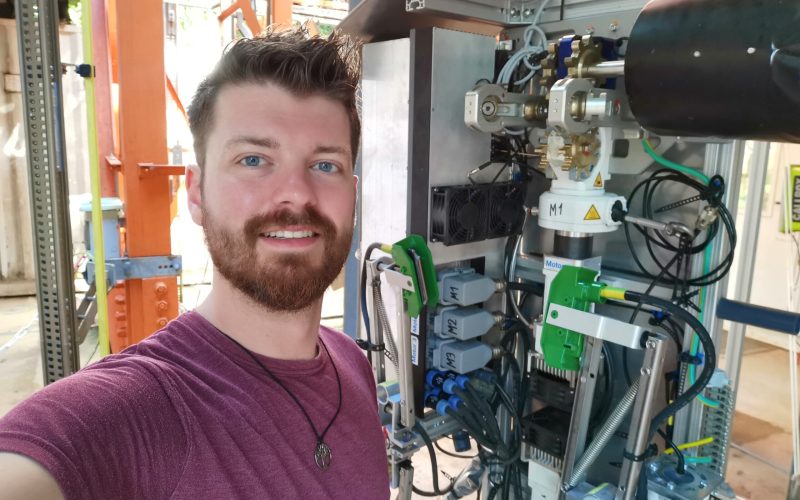
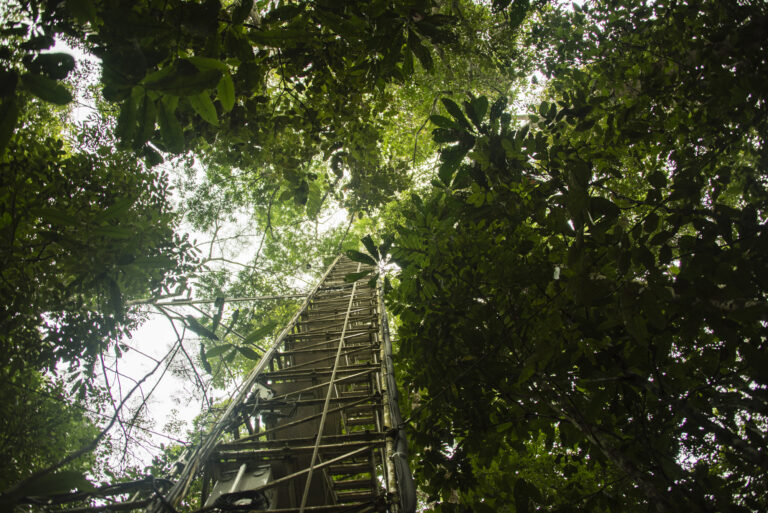
There are only a few instruments used at ATTO that have a story as exciting as this one. A story full of ups and downs, full of success, but also full of problems, challenges, and many lessons learned. It involved so many people from the first idea, to planning, construction, testing, troubleshooting, and finally scientific measurements. I am talking about the Robotic Lift, also called RoLi, a research platform for vertical profile measurements on the ATTO Tower.
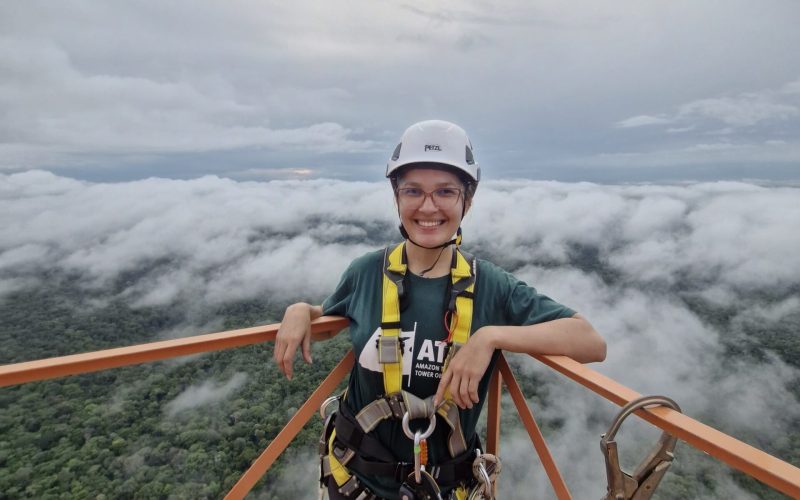
Carla Souza is a PhD student at the Max Planck Institute for Biogeochemistry in Jena, Germany. She studies the carbon dynamics of the Amazon rainforest using long-term observations. Her focus is on how the forest exchanges CO₂ with the atmosphere and how this exchange varies over time.
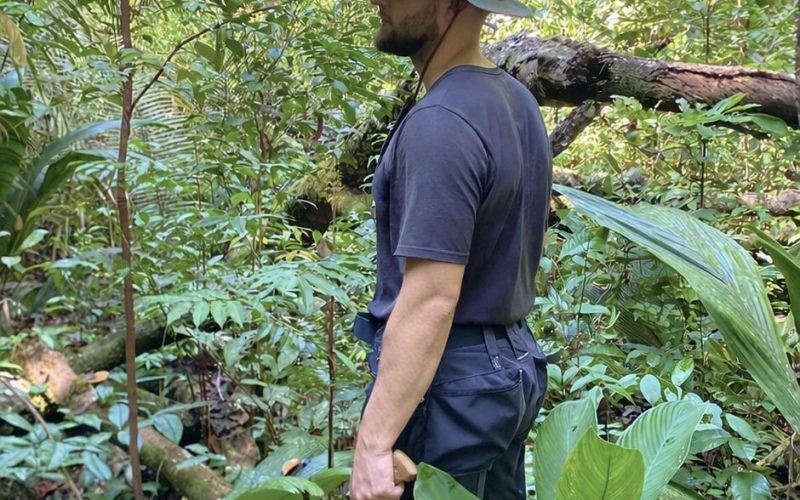
My name is Dennis Geis and I am a PhD student on the project team Backes Meller at the Max Planck Institute for Chemistry in Mainz. I look at the emissions from fungi and their contribution to the aerosol population and subsequent processing in the atmosphere.

Aline Radaelli is the new outreach person for ATTO, working with Uatumã’s communities. She holds a PhD in sociology and has lots of experience working with indigenous and riverine communities. She even worked at the RDS Uatumã before, back in 2013.
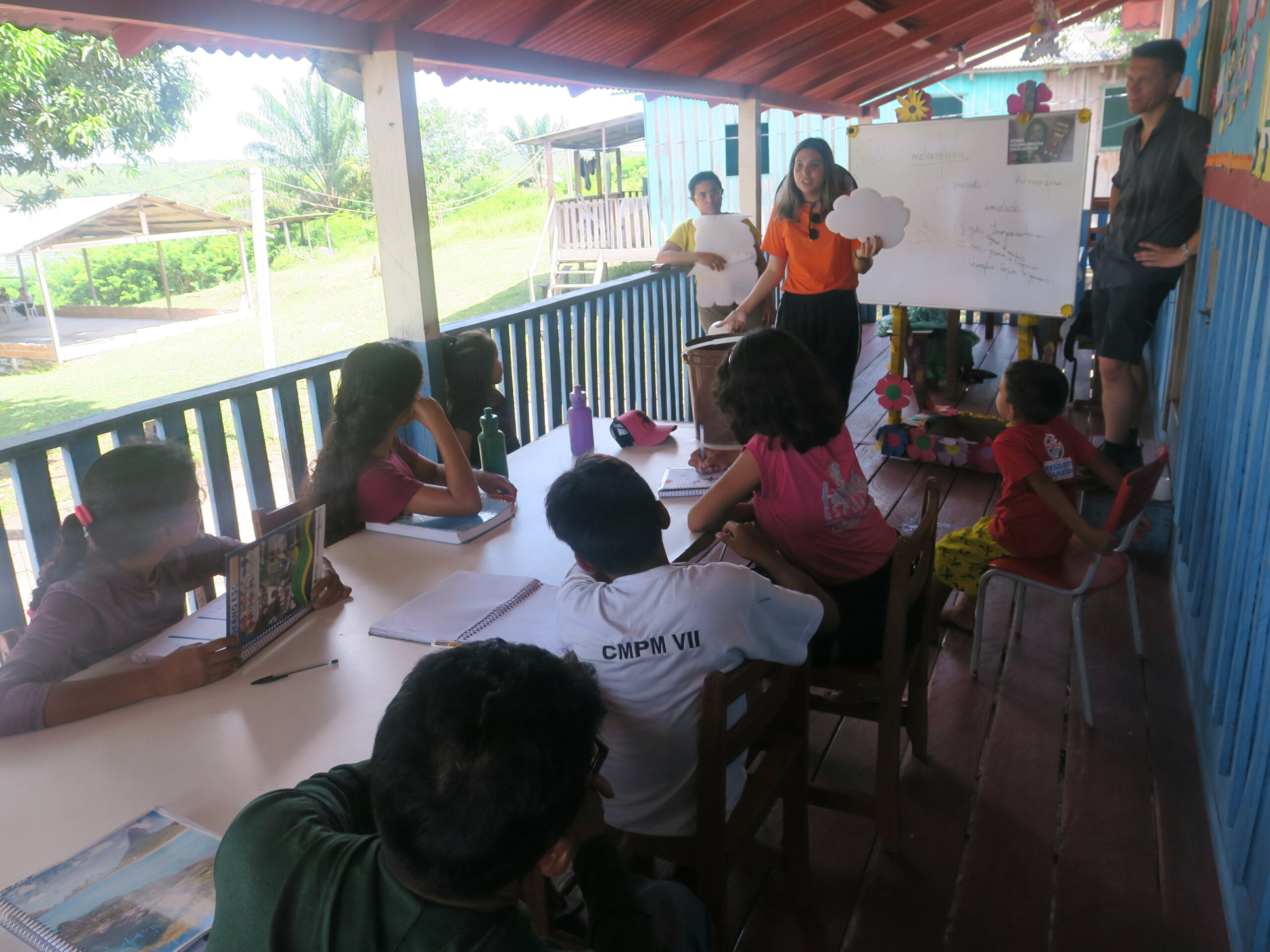
In 2018, ATTO junior researchers in Brasil initiated an education project with the local communities near ATTO. These communities of Bela Vista, Maracarana and Macacaboia are located along the Uatuma river, partially within the USD reserve. They are small communities