New study by the Max Planck Institute for Chemistry shows: The ratio of certain forest scent molecules provides precise insights into the stress state of the rainforest.
A new study by Robin et al. shows: tree growth strategies influence BVOC emissions in the Amazon, with surprising differences between isoprene and monoterpene producers.
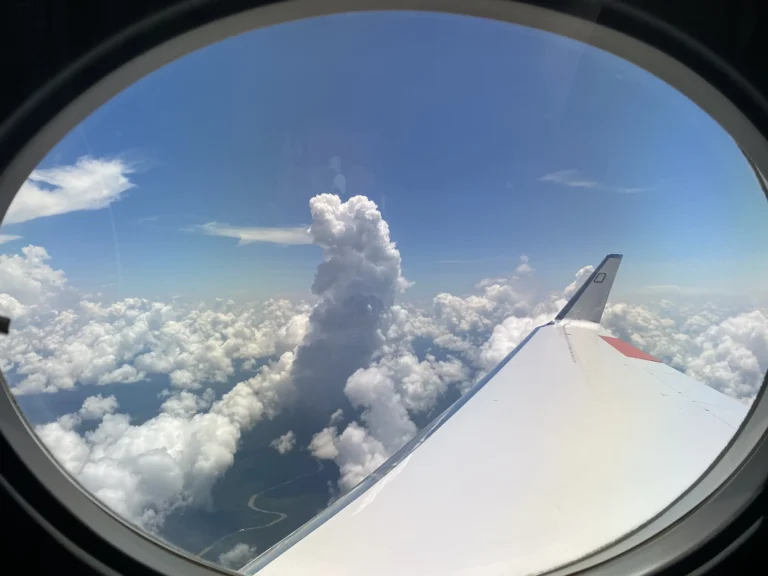
New study highlights Amazon’s critical role in the Earth’s climate system, revealing that land-use changes and accelerating deforestation reduce biogenic trace gas emissions and impact atmospheric chemistry up to 12 km altitude.

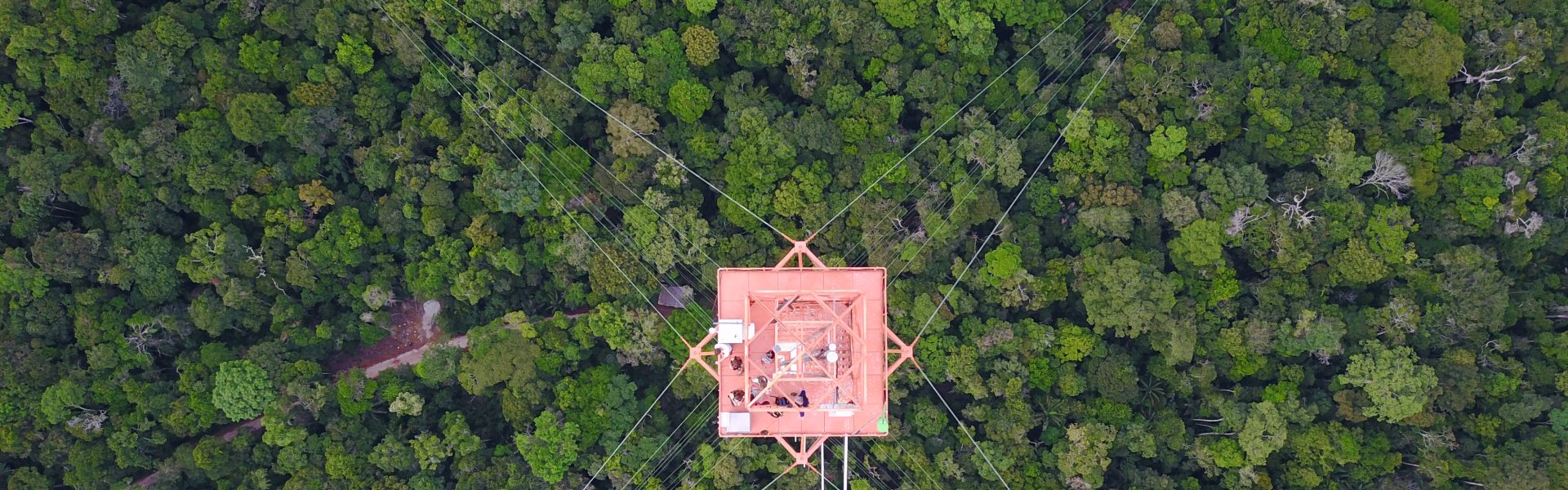
The summer school Amazon Forests and Global Change is part of the Amazon Tall Tower Observatory (ATTO) project, which investigates forest functioning, biodiversity, forest-atmosphere interactions, and atmospheric chemistry and physics. Its objective is to offer scientific theory and methods to investigate forest functioning, biodiversity, and forest-atmosphere interactions in the context of global change, and takes place at INPA, Manaus and at ATTO Sep 19 – 29, 2025.
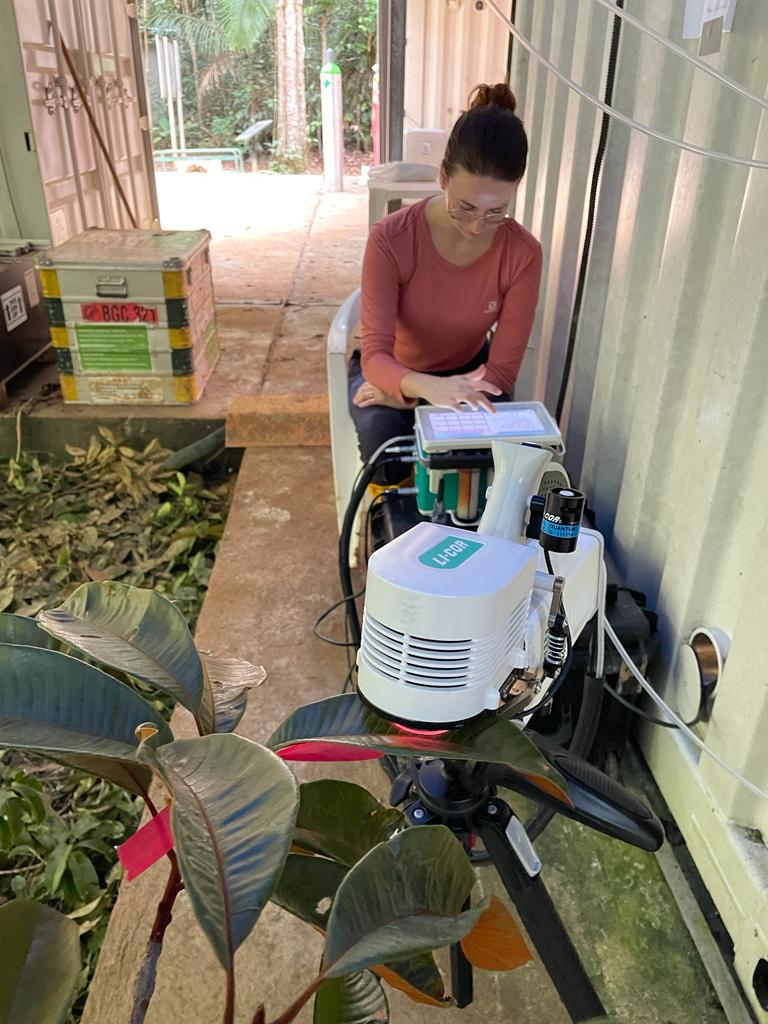
A new study by Robin et al. reveals that isoprene emissions are associated with mechanical or chemical defenses vary between the different leaf phenological types in the central Amazon rainforest.

Lange et al. analyzed dissolved organic matter (DOM) in terra firme and white sand soils in the Amazon to learn about the potential limitations of the important nutients phosphorous, nitrogen and sulfur in the different forest and soil types prevalent across the Amazon rainforest.
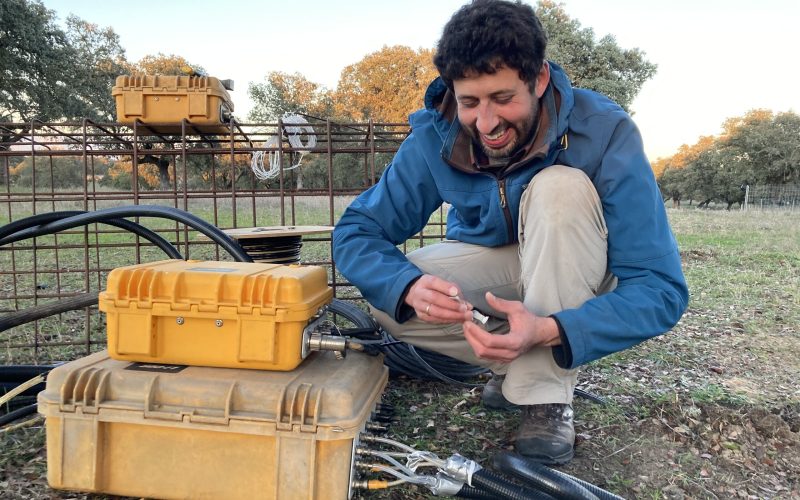
My name is Tarek S. El-Madany and I’m the new head of the Central Service Group “Field Experiments and Instrumentation” at MPI-BGC in Jena. I am taking over from Olaf Kolle, who will be retiring this year. I’m a trained landscape ecologist and specialized in micrometeorology.
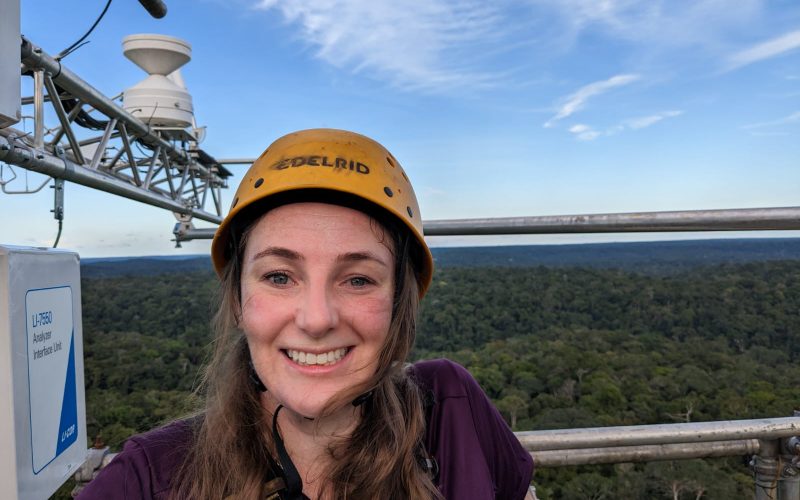
Hello, everyone! My name is Carla Webber and I’m the new post-doc in the Cryptogamic communities group at the ATTO. I’m a biocrust researcher and have worked on this subject for more than ten years. Biocrusts taught me to be an interdisciplinary researcher.
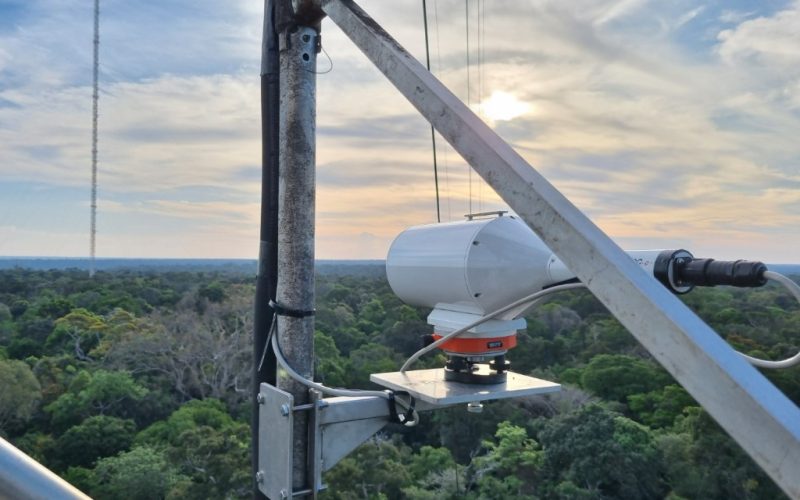
I want one! This was the enthusiastic reaction of a Brazilian student after her first encounter with a scintillometer at the CloudRoots campaign in Amazonia. The scintillometer is indeed a special instrument that deserves admiration.

I am Subha and I like to call myself an interdisciplinary researcher. I did civil engineering for my bachelor’s degree, and for my master’s degree, I worked on the applications of remote sensing and GIS. Now I work full-time at Max Planck Institute for Chemistry in Mainz with a wonderful team led by Christopher Pöhlker.
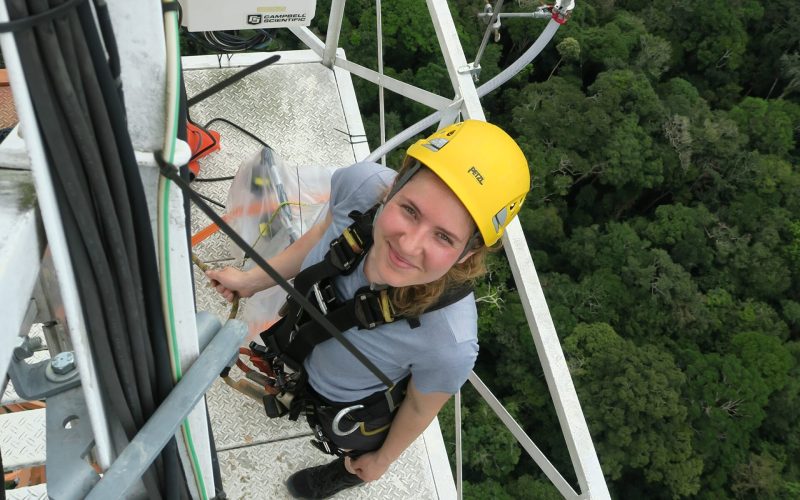
My name is Stefanie Hildmann and I am currently a PhD student in the group ‘Organic Trace Analysis’ of Prof. Thorsten Hoffmann at the Johannes Gutenberg – University of Mainz (Germany). In my PhD, I want to characterize secondary organic aerosols (SOA) chemically at the molecular level.
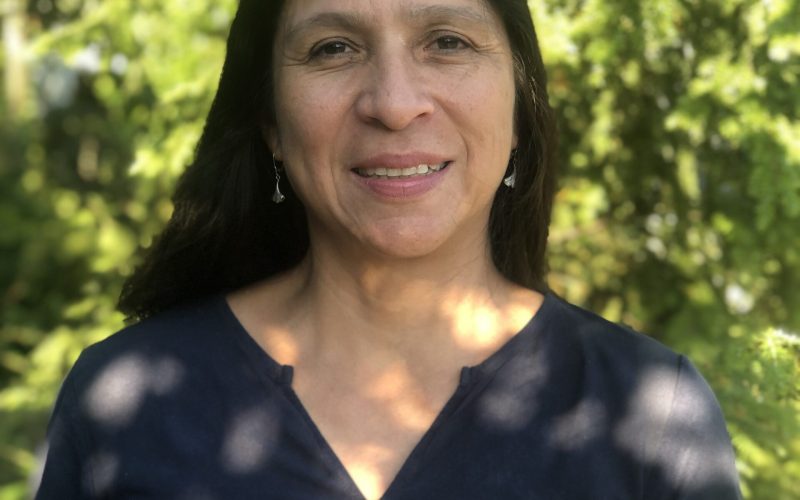
Hi, my name is Viviana Horna. This April 2022 I started working at the Max Planck Institute for Biogeochemistry as the new scientific coordinator of the ATTO project. I studied tropical forestry in Peru for my BSc, where I am from.