The following text is a press release published by the Max Planck Institute for Chemistry.
- Extreme weather events alter soil isoprene uptake capacity: During the 2023 El Niño drought, soil moisture below 20% severely suppressed soil respiration and isoprene consumption, contributing to increased atmospheric isoprene concentrations above the forest.
- Impact on atmospheric processes: As climate change intensifies drought and heat extremes, reduced soil isoprene uptake capacity could impact atmospheric oxidation, aerosol formation, and methane lifetime.
- Improved climate predictions: Accounting for soil isoprene uptake in models would strengthen projections of future climate feedbacks.
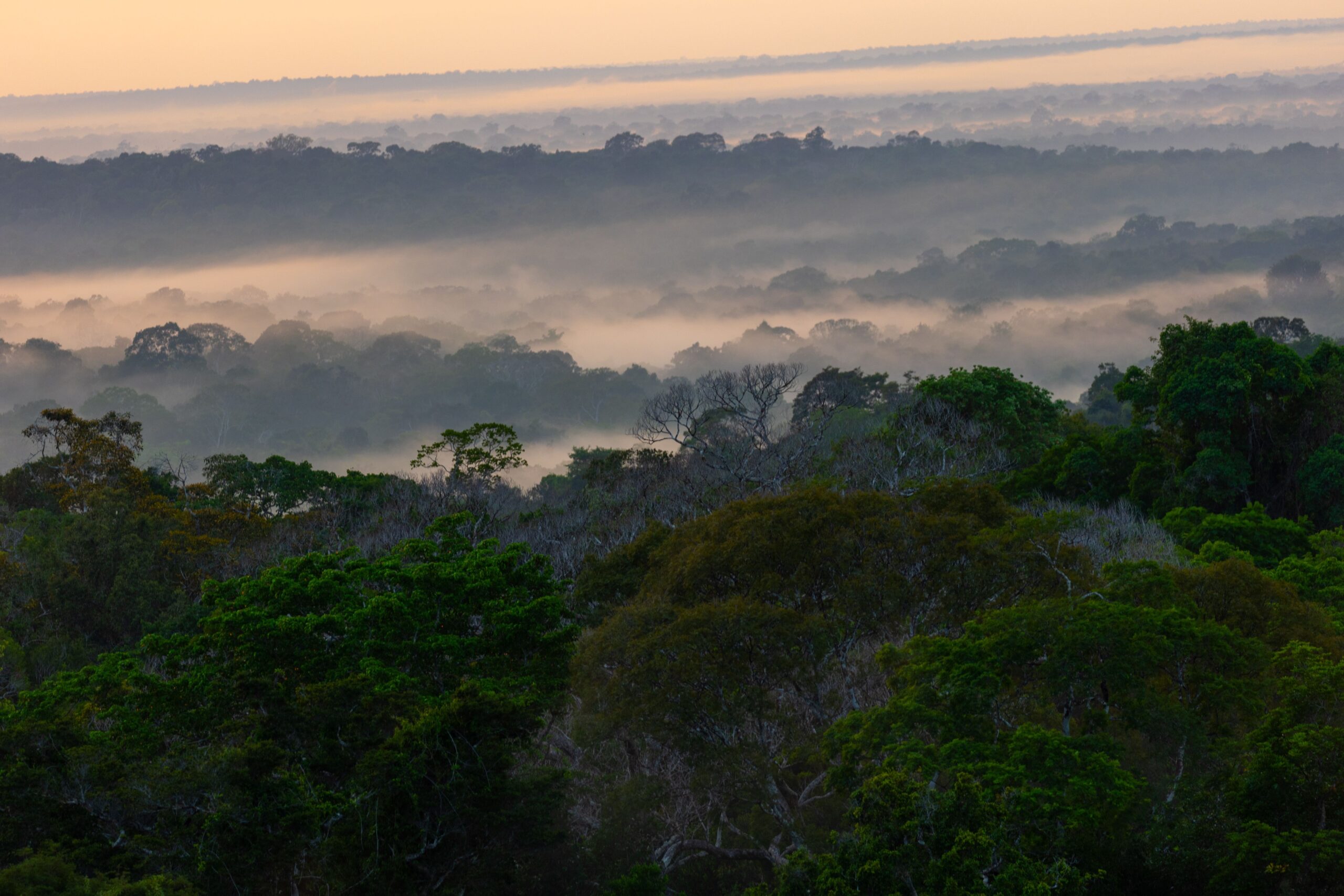
Isoprene is a volatile organic compound (VOC) that is produced naturally by plants. Over 500 megatonnes (500 billion kilograms) isoprene are emitted each year into the Earth’s atmosphere, primarily from tropical forests. Soils are recognized sinks for atmospheric isoprene, but their behavior in natural environments remains poorly understood, particularly in the Amazon where emissions are globally significant.
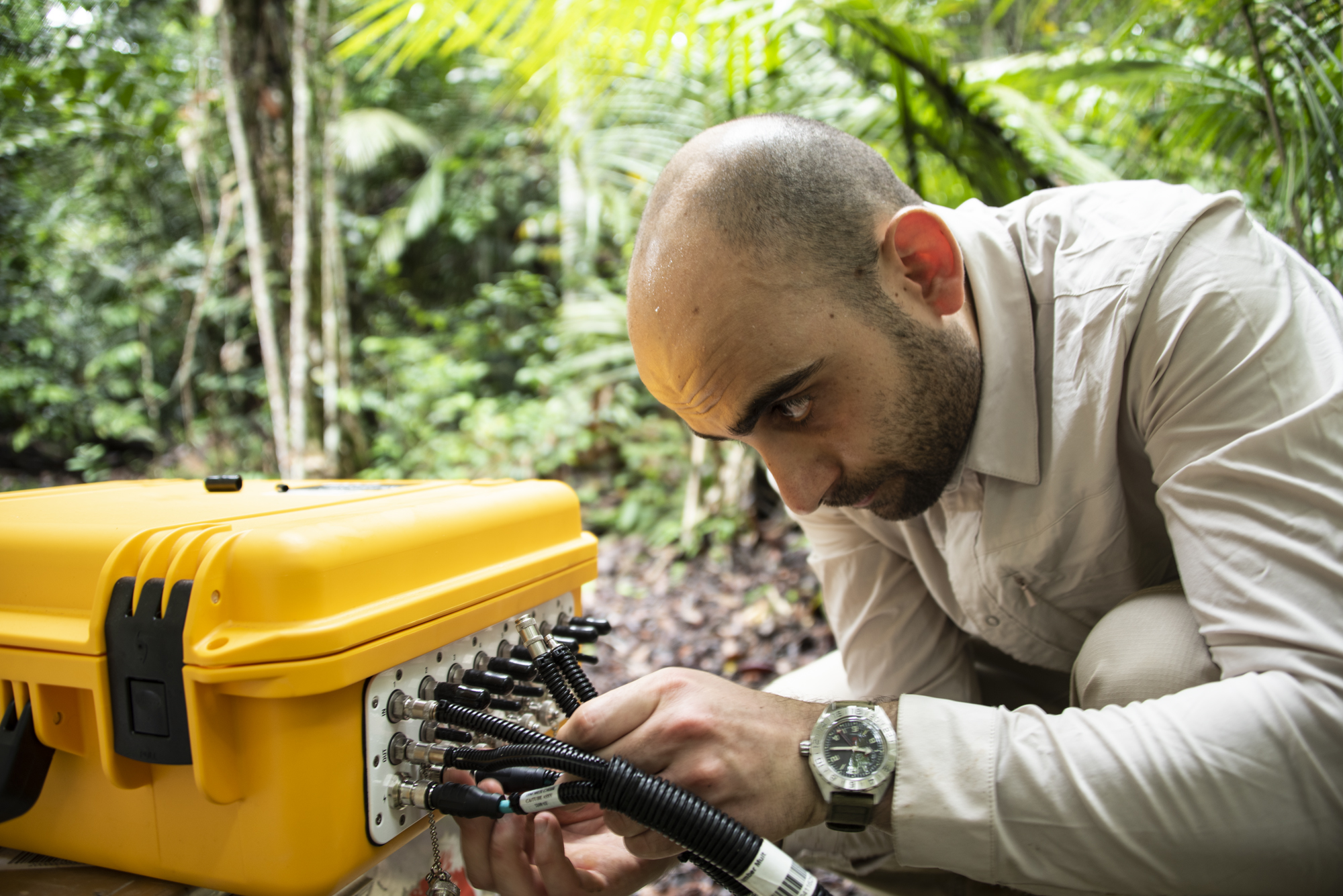
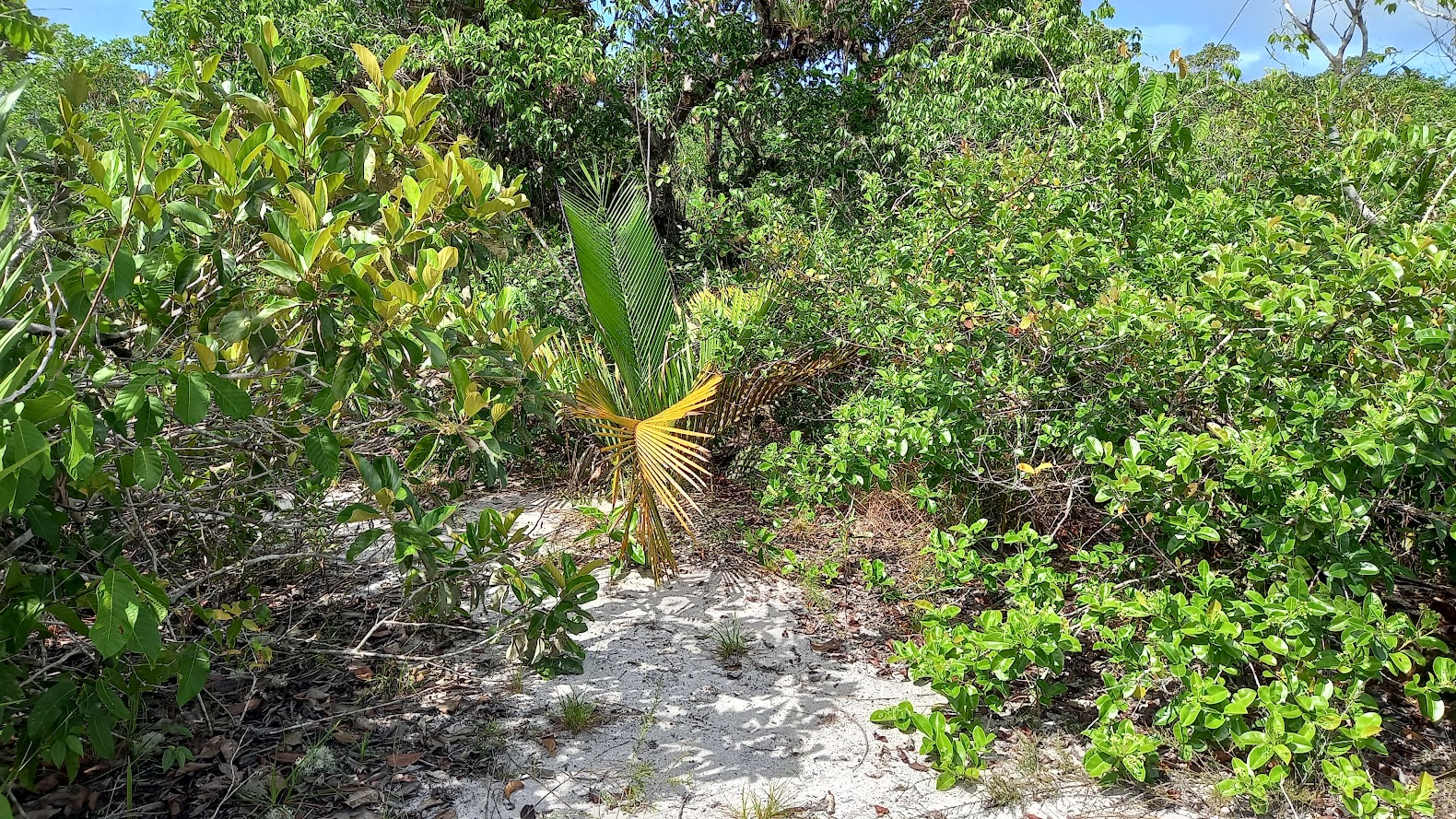
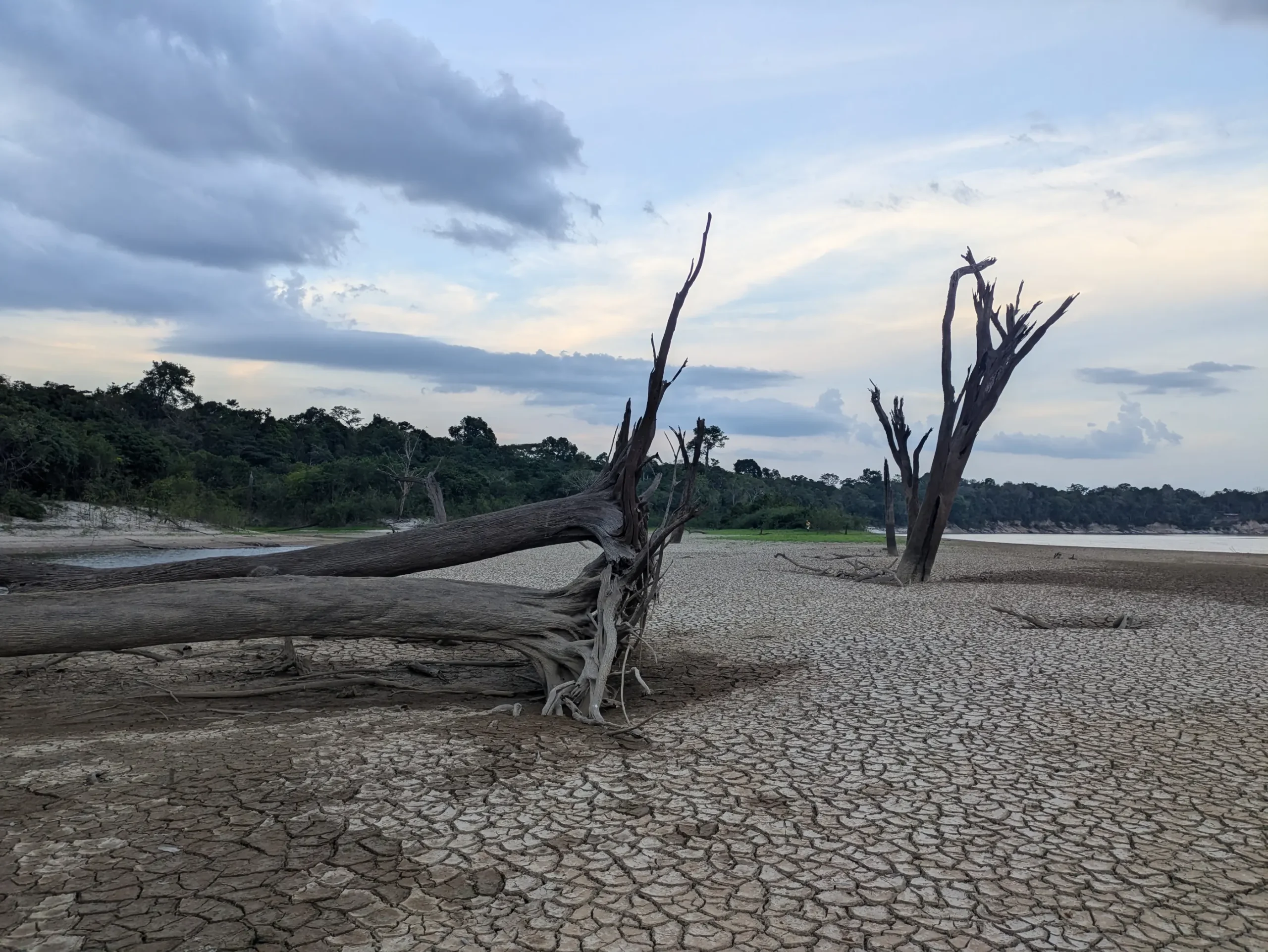
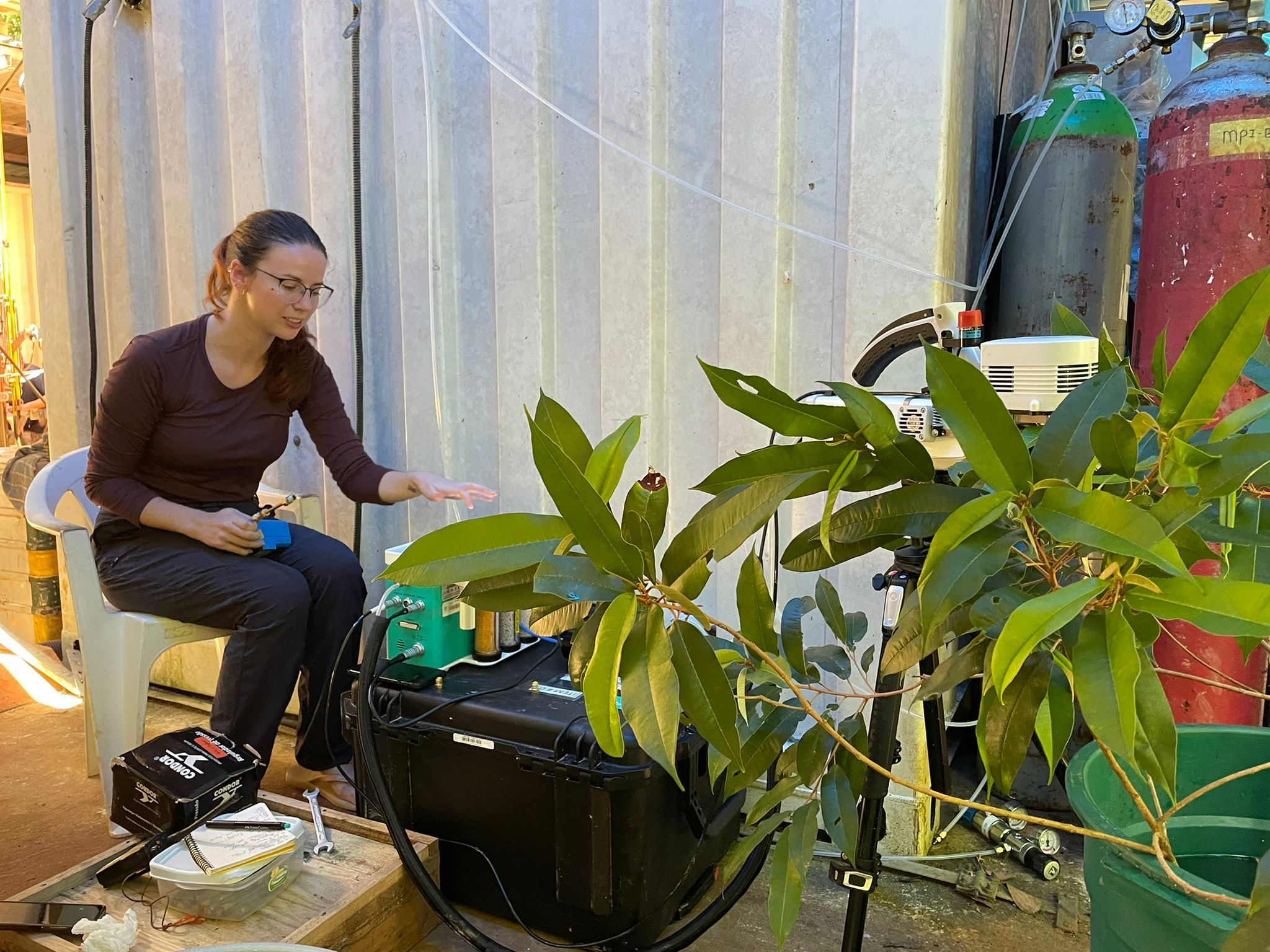
A new study by researchers from the Max Planck Institute for Chemistry in Mainz now describes how a soil-atmosphere feedback mechanism is critically impacted under severe drought and heat conditions in the Amazon region. The team measured isoprene fluxes going into rainforest soils over multiple seasons, including the record-breaking drought in the 2023 dry season. They show that soils uptake isoprene strongly under normal conditions but significantly less under drought stress such as the strong El Niño event in 2023 that led to record-low river levels and widespread vegetation stress. The results were striking: the isoprene uptake capacity dropped by a factor of over four compared to normal conditions.
Drought slows down isoprene uptake in the soil
“Our results show that during the extreme climatic conditions imposed by the 2023 El Niño, soil isoprene uptake abruptly became unresponsive to the increased ambient isoprene concentrations,” remarked Giovanni Pugliese, the study’s first author and a researcher at the Max Planck Institute for Chemistry. “The results are consistent with a physiological constraint of isoprene-degrading soil microbes when the soil moisture falls below 20%”. The study was recently published in the scientific journal Nature Communications Earth & Environment.
Isoprene is removed from the air through chemical oxidation by the primary atmospheric oxidant, hydroxyl radicals (OH), and, to a lesser extent, ozone (O₃). Therefore, isoprene concentrations are key to balance between reactive biogenic emissions and atmospheric oxidants. This balance influences the lifetime of greenhouse gases, such as methane, and alters the rate at which secondary organic aerosol form which, in turn act as cloud condensation nuclei. As a result, isoprene levels in the air reflect the combined effect of forest emissions, atmospheric removal, and soil uptake.
Isoprene: A key gas for the climate
Project leader Jonathan Williams added: “It is interesting to see that when the Amazon ecosystem is faced with short-term drought and heat extremes it acts to boost atmospheric isoprene levels by increasing canopy emissions while simultaneously weakening the soil sink”. These results align with the consensus that isoprene emission serves as a plant defense mechanism against thermal stress and oxidative damage.
The results are also consistent with earlier measurements conducted in an artificial rainforest, which examined the effects of drought and rewetting on the fluxes of biogenic volatile organic compounds in the soil. At that time, the researchers found that when soil moisture falls below 19 percent, the rainforest soil’s ability to absorb VOCs from the atmosphere not only decreases, but the soil actually becomes a source of VOCs.
Using soil data to improve climate models
However, enhanced isoprene levels also depress atmospheric oxidation capacity and prolong the methane lifetime over the drought period. It remains to be seen whether the anticipated more frequent and intense El Niño droughts will continue this trend or whether the soil microbes will adapt to the increasingly common, hotter and drier conditions.
Based on these findings, the researchers suggest that accounting for soil isoprene uptake in global models is a crucial step toward better quantifying climate-driven atmospheric feedbacks in the tropics.
Pugliese et al. published the study “El Niño drought and heat extremes suppress soil isoprene uptake capacity in the Amazon rainforest” in the Open Access journal Nature Communications Earth & Environment.
Similar articles
During the 2023–2024 El Niño – the most severe drought ever recorded in the Amazon basin – tree emissions of sesquiterpenes surged. Unexpected emissions of sesquiterpene alcohols in the wet season after the drought, suggesting the forest’s stress-defense metabolism stays active long after the immediate stress has passed.
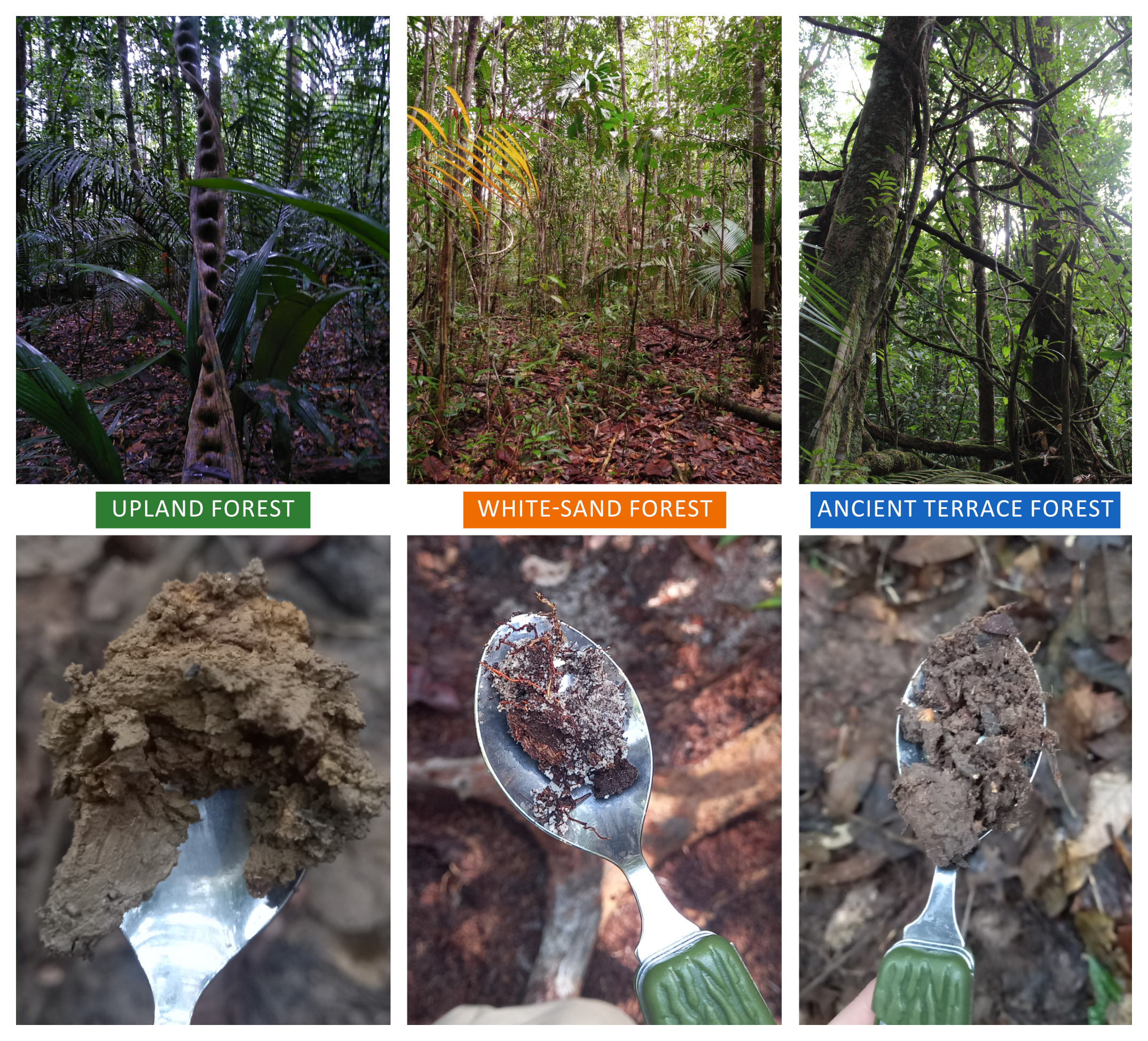
Débora Pinheiro-Oliveira and her colleagues investigated how forest diversity and environmental conditions shape the fluxes of BVOCs and methane in the soil–litter layer. They found that forest diversity and environmental conditions create a mosaic of gas exchange processes across the region.
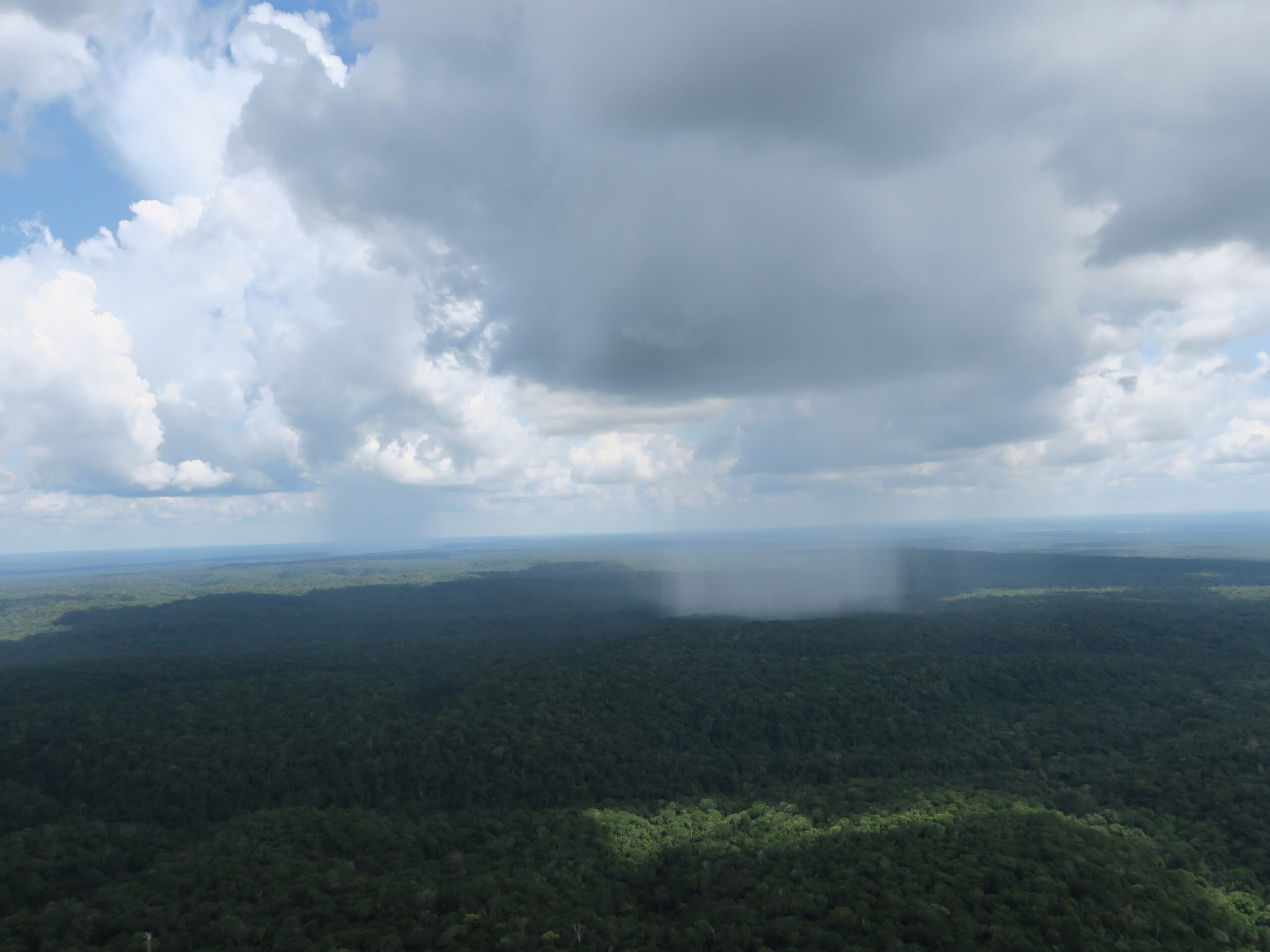
A hidden mechanism continuously forms new aerosol particles from gaseous precursors in the Amazon rainforest, challenging previous assumptions about the sources of cloud condensation nuclei and their role in the hydrological cycle and climate.
A new study shows that drought stress reorganizes soil carbon sources in Amazon white-sand forest soils, increasing ecosystem stress and affecting carbon and nutrient cycles.
The Amazon rainforest experienced unusually high temperatures and atmospheric dryness in 2023. Observations from ATTO and further data revealed that the vegetation’s uptake of carbon was above average early in the year, but drastically reduced during the drought season, leading from a carbon sink into a source.
New study by the Max Planck Institute for Chemistry shows: The ratio of certain forest scent molecules provides precise insights into the stress state of the rainforest.
A new study by Robin et al. shows: tree growth strategies influence BVOC emissions in the Amazon, with surprising differences between isoprene and monoterpene producers.
Scientists measured carbonyl compounds in the atmosphere of the Amazon rainforest with the adopted instrumentation to separate aldehydes and ketones. They made some unexpected discoveries, showing studying the variety of carbonyl compounds separately is extremely worthwhile.
Direct measurements of OH radicals are rare and difficult to achieve. However, since they react with BVOCs, Ringsdorf et al. inferred them from isoprene measurements at ATTO. To do so, they applied a technique called ‘Dynamical Time Warping’ from the field of speech recognition. Akima Ringsdorf et al. published the study “Inferring the diurnal variability of OH radical concentrations over the Amazon from BVOC measurements” Open Access in Nature Scientific Reports.
Eliane Gomes Alves and her colleagues measured isoprene emissions at the ATTO 80-meter tower across three years to better understand how these emissions vary seasonally and under extreme climatic conditions like El Niño events. They also looked into which biological and environmental factors regulate the emission of isoprene to the atmosphere.