© Cybelli Barbosa, MPIC
© Jens Weber, MPIC
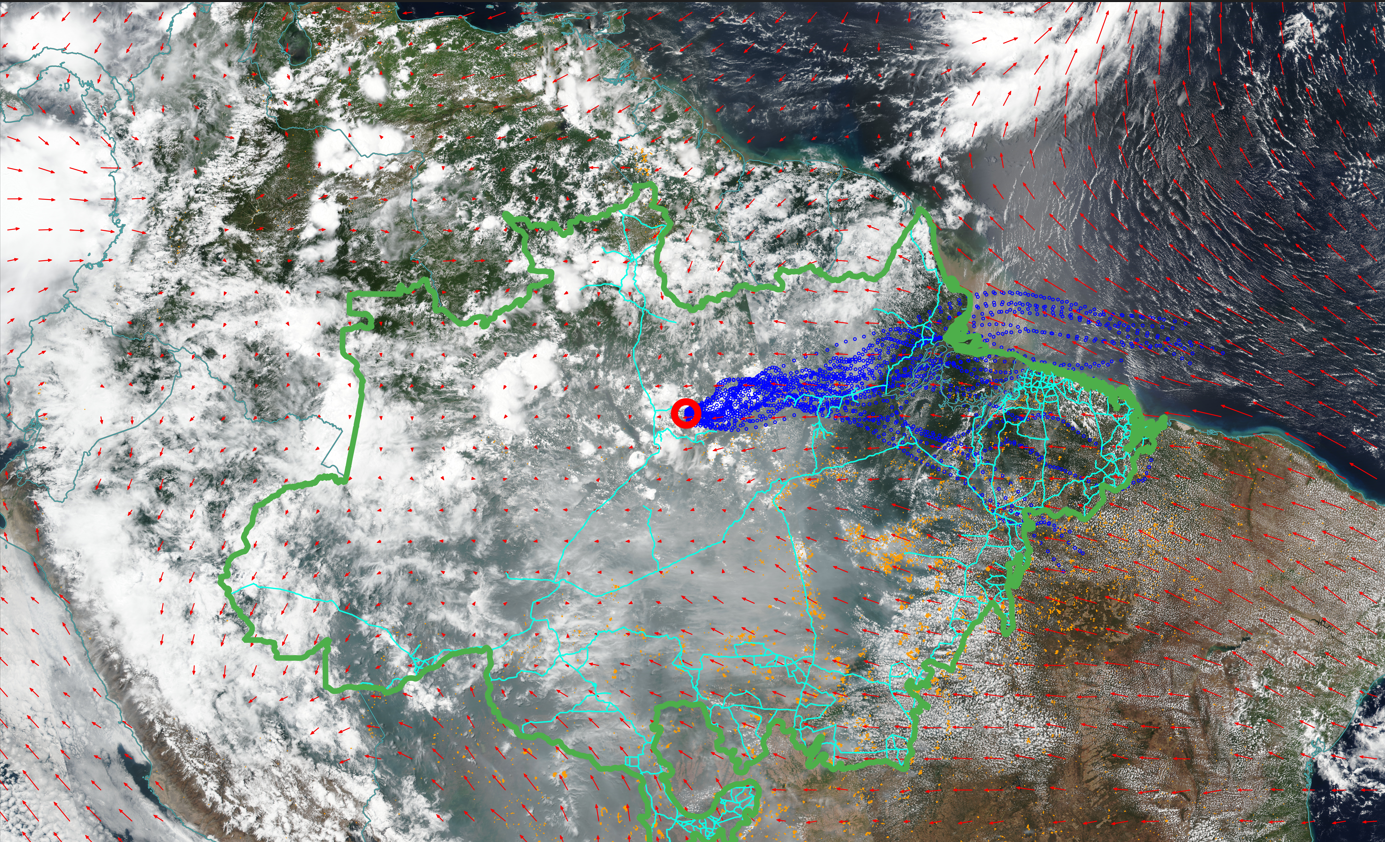
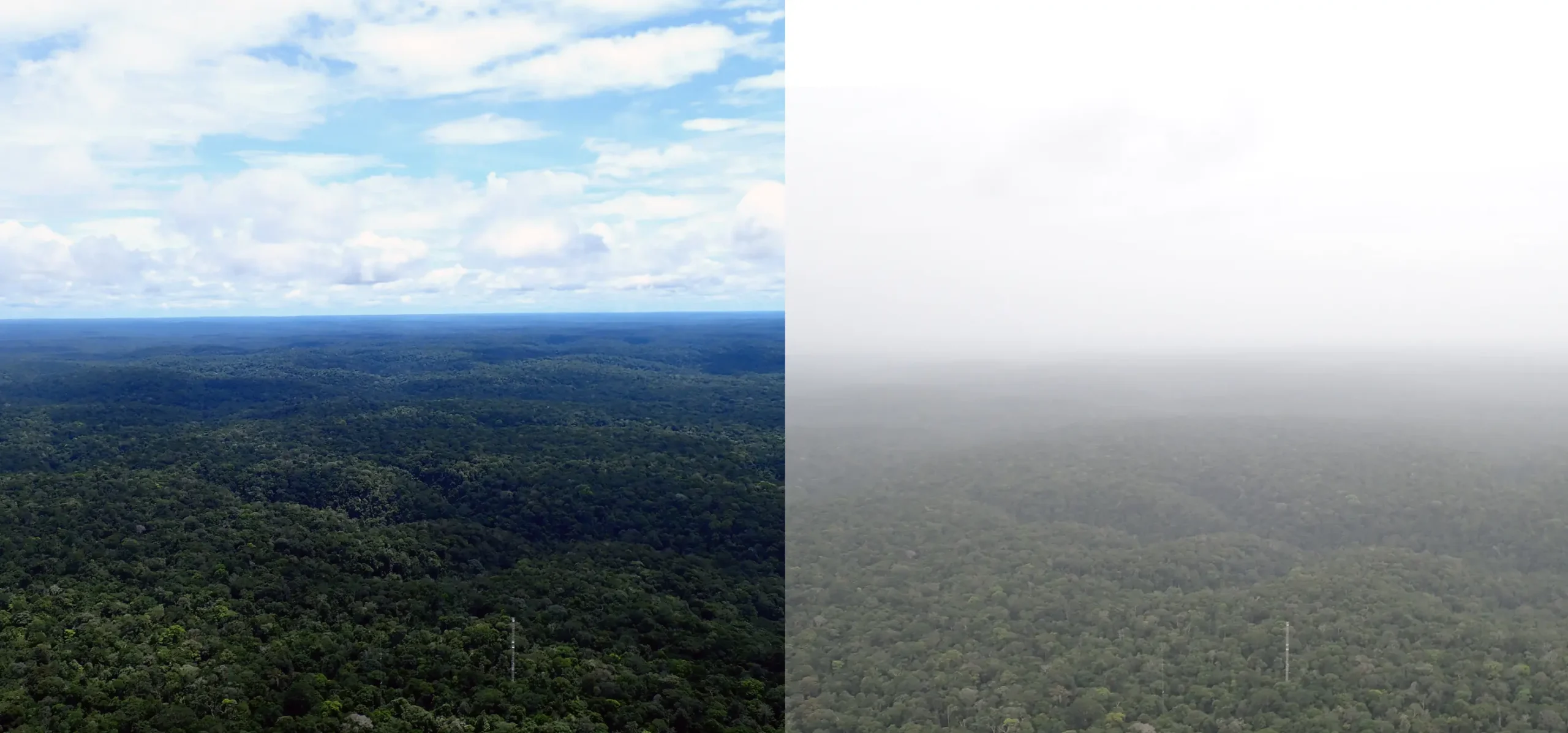
More soot particles enter the central Amazon rainforest from brush fires in Africa than from regional fires at certain times.
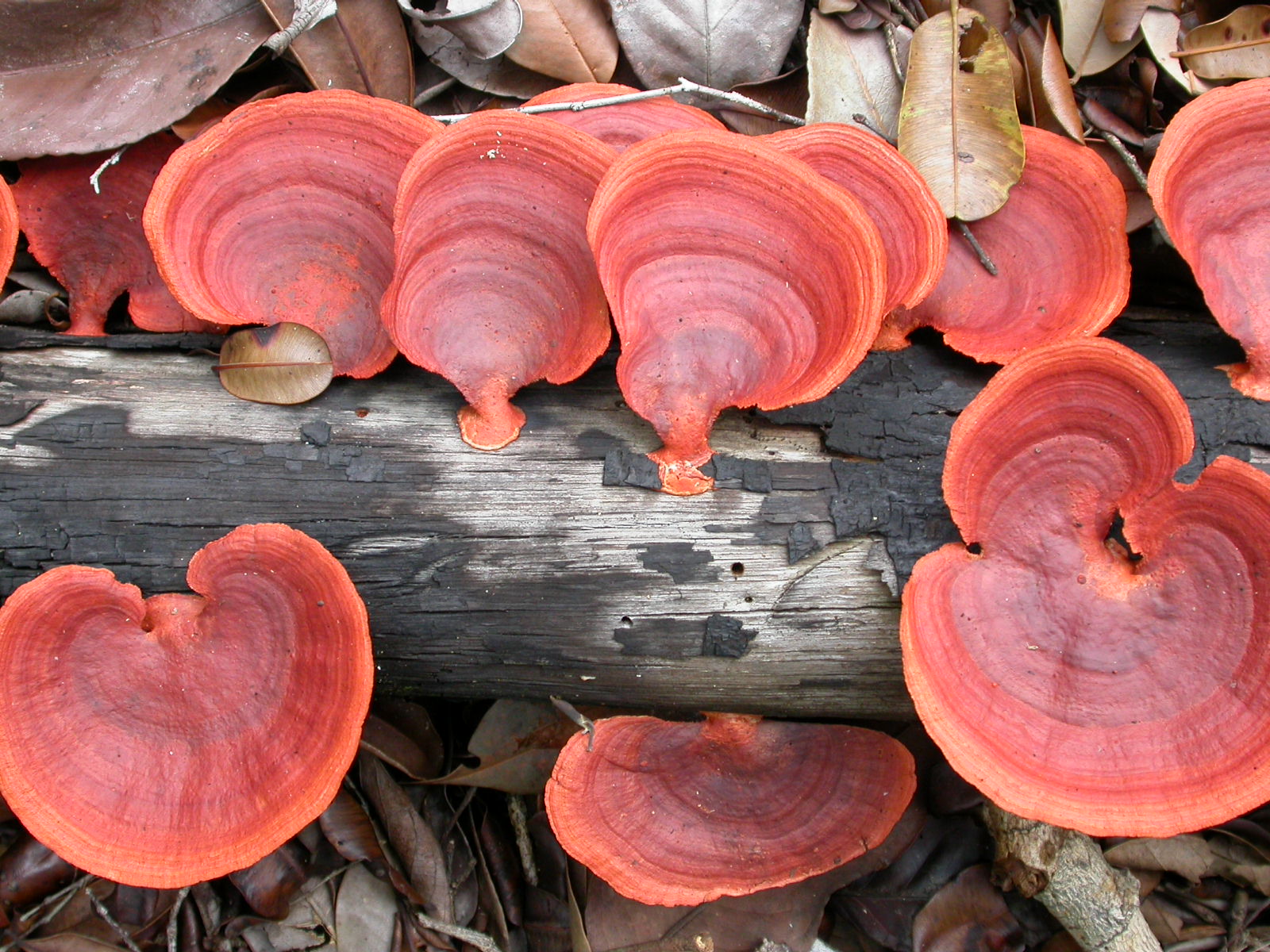
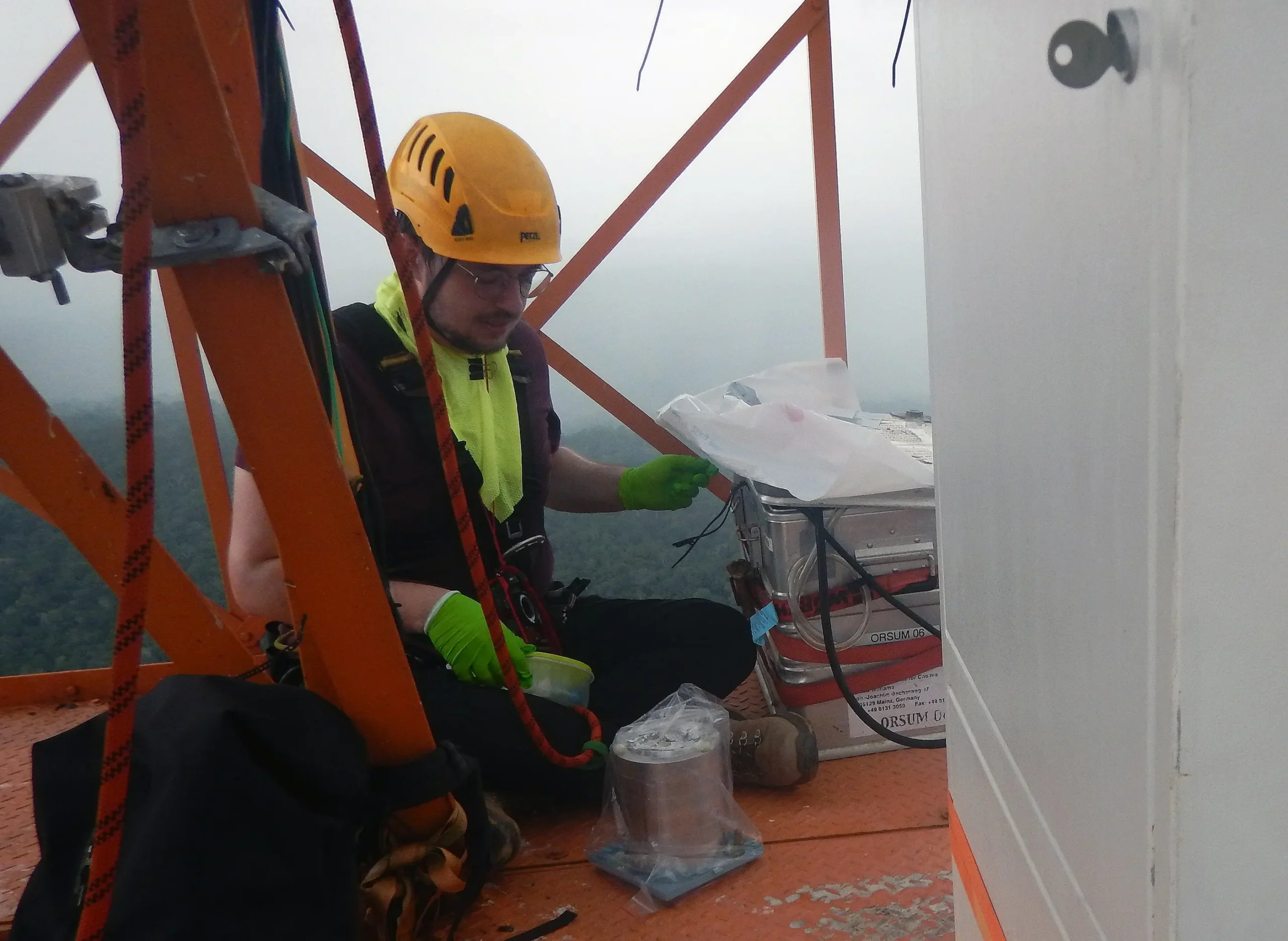
Bioaerosols influence the dynamics of the biosphere underneath. In a new study, Sylvia Mota de Oliveira and her colleagues used the ATTO site to collect air samples at 300 m above the forest. Then, they used DNA sequencing to analyze the biological components that were present and figure out what species of plant or fungi they belong to. One of the most striking new insights is the stark contrast between the species composition in the near-pristine Amazonian atmosphere compared to urban areas.
The Amazon rain forest plays a major role in global hydrological cycling. Biogenic aerosols, such as pollen, fungi, and spores likely influence the formation of clouds and precipitation. However, there are many different types of bioaerosols. The particles vary considerably in size, morphology, mixing state, as well as behavior like hygroscopicity (how much particles attract water) and metabolic activity. Therefore, it is likely that not only the amount of bioaerosols affects the hydrological cycle, but also the types of aerosols present.
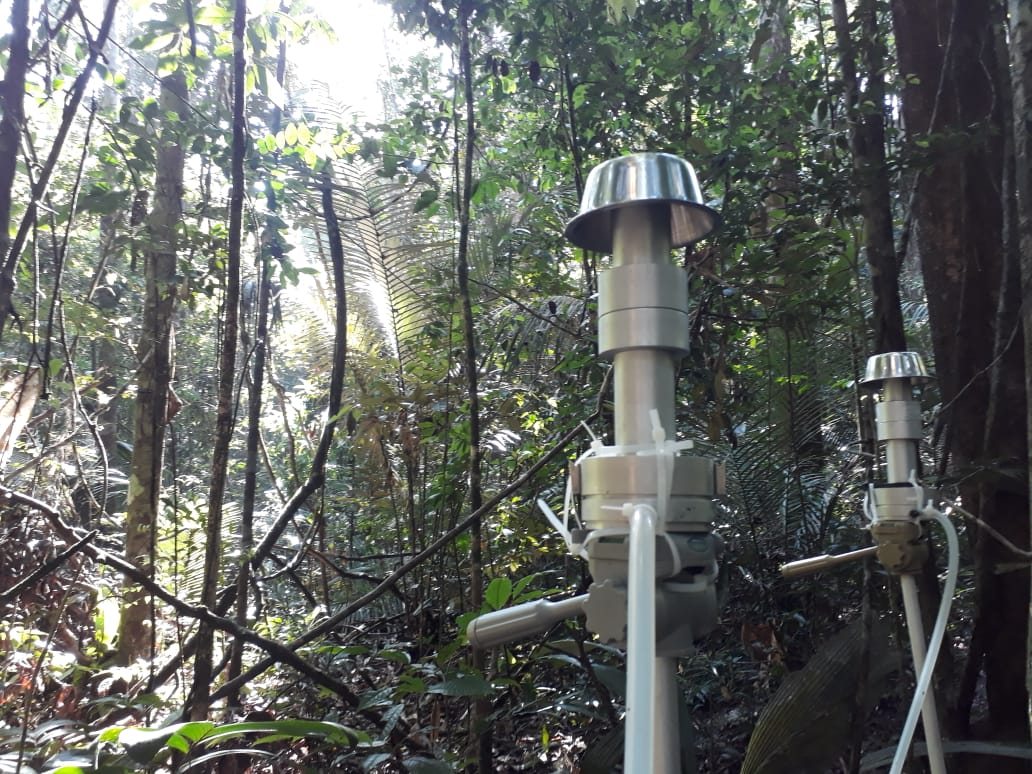
Felipe Souza, Price Mathai and their co-authors published a new study analyzing the diverse bacterial population in the Amazonian atmosphere. The composition varied mainly with seasonal changes in temperature, relative humidity, and precipitation. On the other hand, they did not detect significant differences between the ground and canopy levels. They also identified bacterial species that participate in the nitrogen cycle.
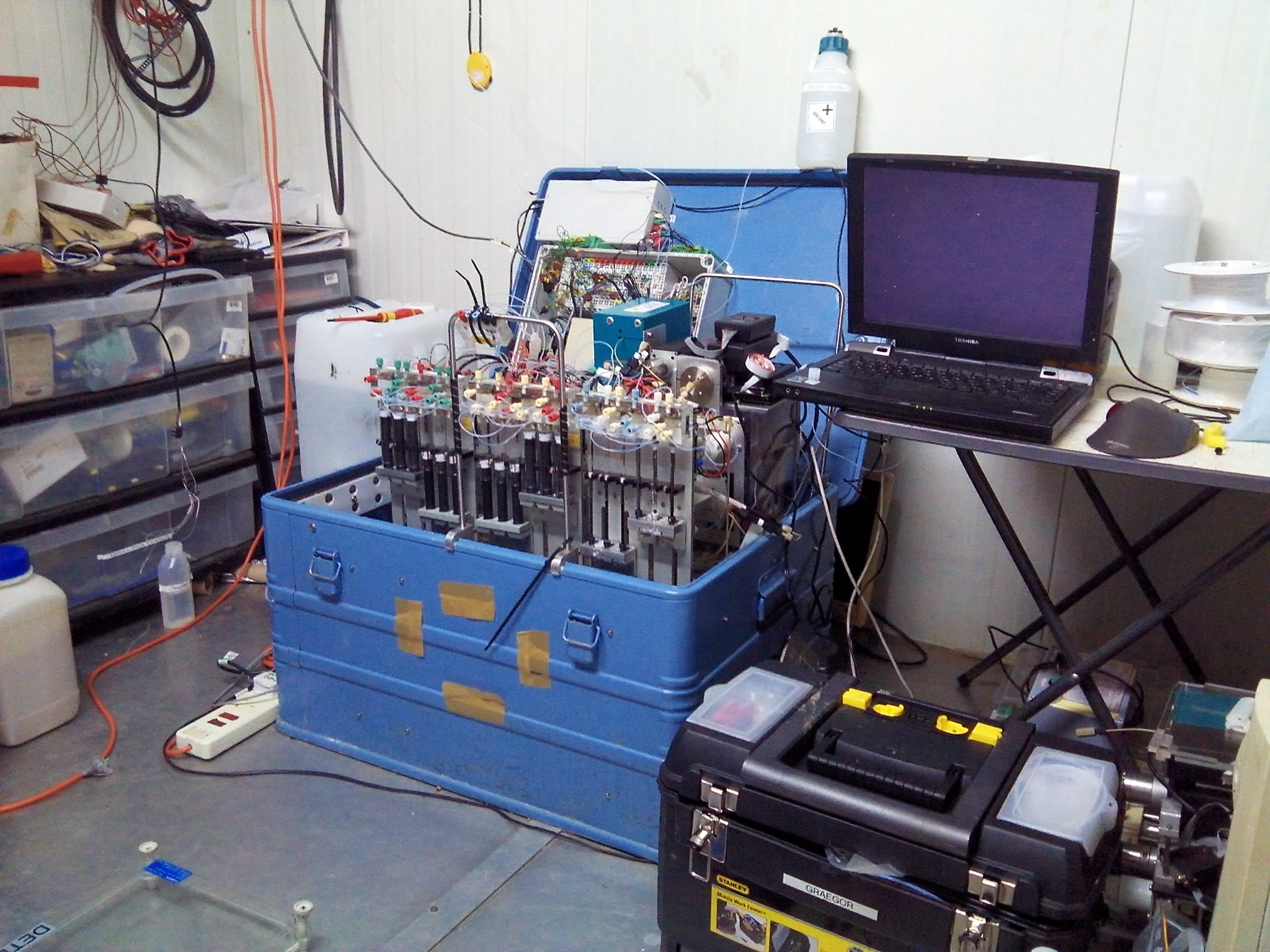
Ramsay et al. measured inorganic trace gases such as ammonia and nitric acid and aerosols in the dry season at ATTO. They are to serve as baseline values for their concentration and fluxes in the atmosphere and are a first step in deciphering exchange processes of inorganic trace gases between the Amazon rainforest and the atmosphere.
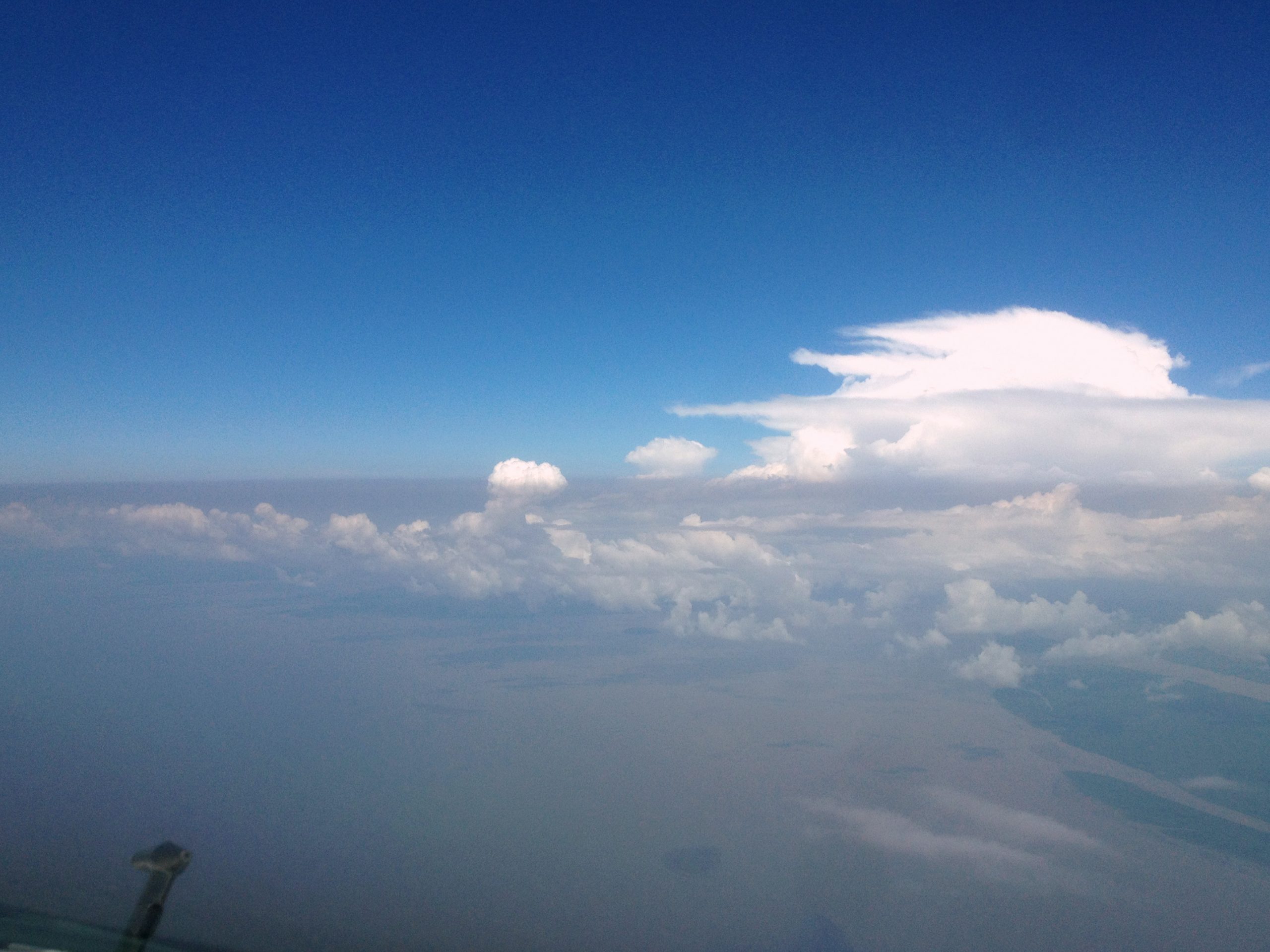
When forests burn those fires produce a lot of smoke. And that smoke usually contains soot, also called “black carbon”. Black carbon particles are aerosols that absorb radiation and as such can warm the Earth’s atmosphere and climate. But we still have much to learn about aerosols, their properties, and distribution in the atmosphere. One of those things is the question of how black carbon emitted from biomass burning in Africa (i.e. forests, grasslands, savannas etc.) is transported across the Atlantic and into the Amazon basin, and what role it plays there. Bruna Holanda and her co-authors tackled this in their new study published in ACP.
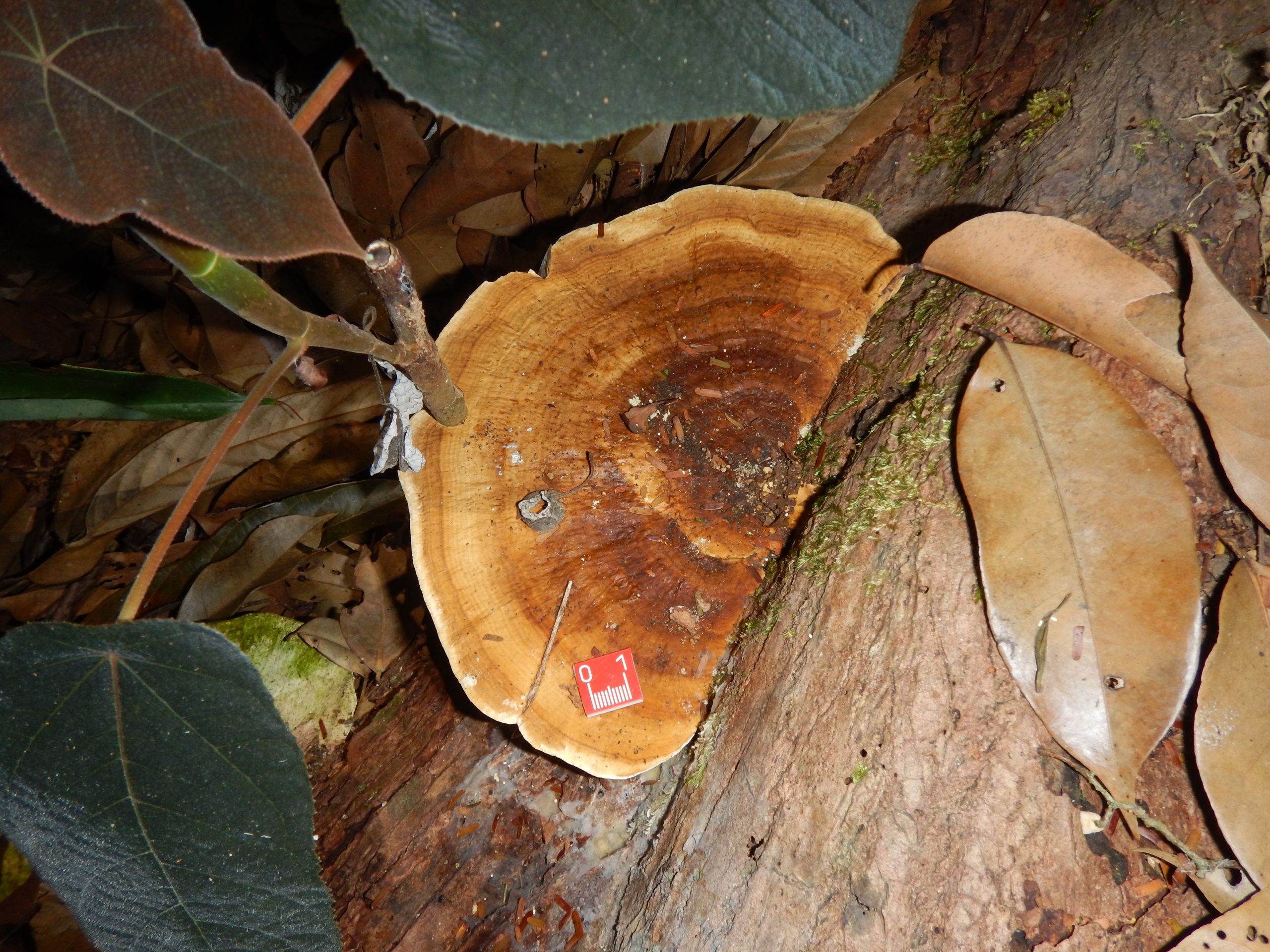
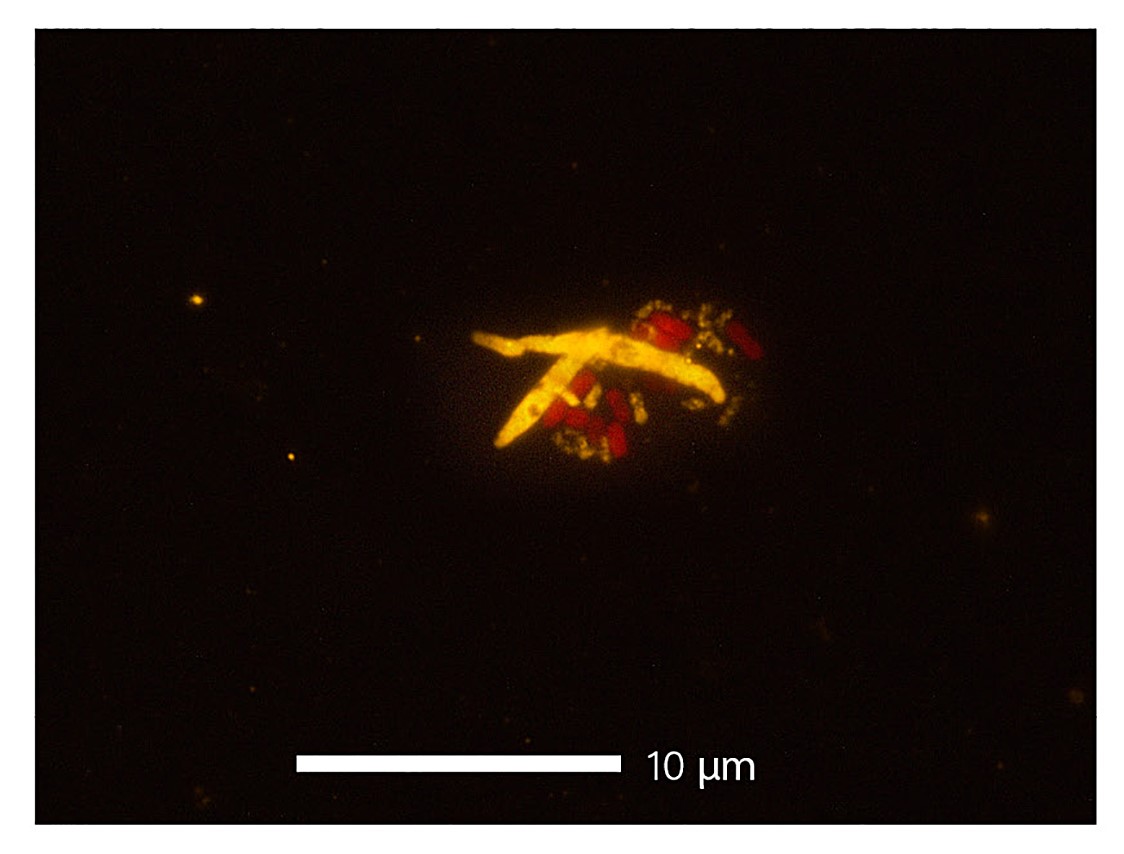
Fungal spore emissions are an important contributor to biogenic aerosols, but we have yet to understand under what conditions fungi release their spores. Nina Löbs and co-authors developed a new technique to measure emissions from single organisms and tested this out at ATTO and with controlled lab experiments. They published their results in the Open Access Journal Atmospheric Measurement Techniques.

Felipe Souza and co-authors now collected bioaerosols at our ATTO site. Then they extracted and analyzed the DNA to determine the communities present. This is the first study that described the community of microorganisms within aerosols in the Amazon. They found many different types of bacteria and fungi. Some were cosmopolitan taxa, but they also identified many that are specific to certain environments such as soil or water. This suggests that the atmosphere may act as an important gateway for bacteria to be exchanged between plants, soil, and water.

Saturno et al. analyzed the concentration of black and brown carbon in the atmosphere above the Amazon. They found that the dry season is characterized by lots of biomass burnings, which produce a lot of black and brown carbon. But they also sound significant interannual variations. The results were published in ACP.

Saturno et al. used the eruption of two volcanoes in Congo to trace the transport of sulfate particles from Central Africa to the Amazon basin. They are using this as a case study to understand how gas and particle emissions from Africa are transported over the Atlantic Ocean. The results are published in ACP.