
© Dom Jack / MPI-C
© Dom Jack / MPI-C
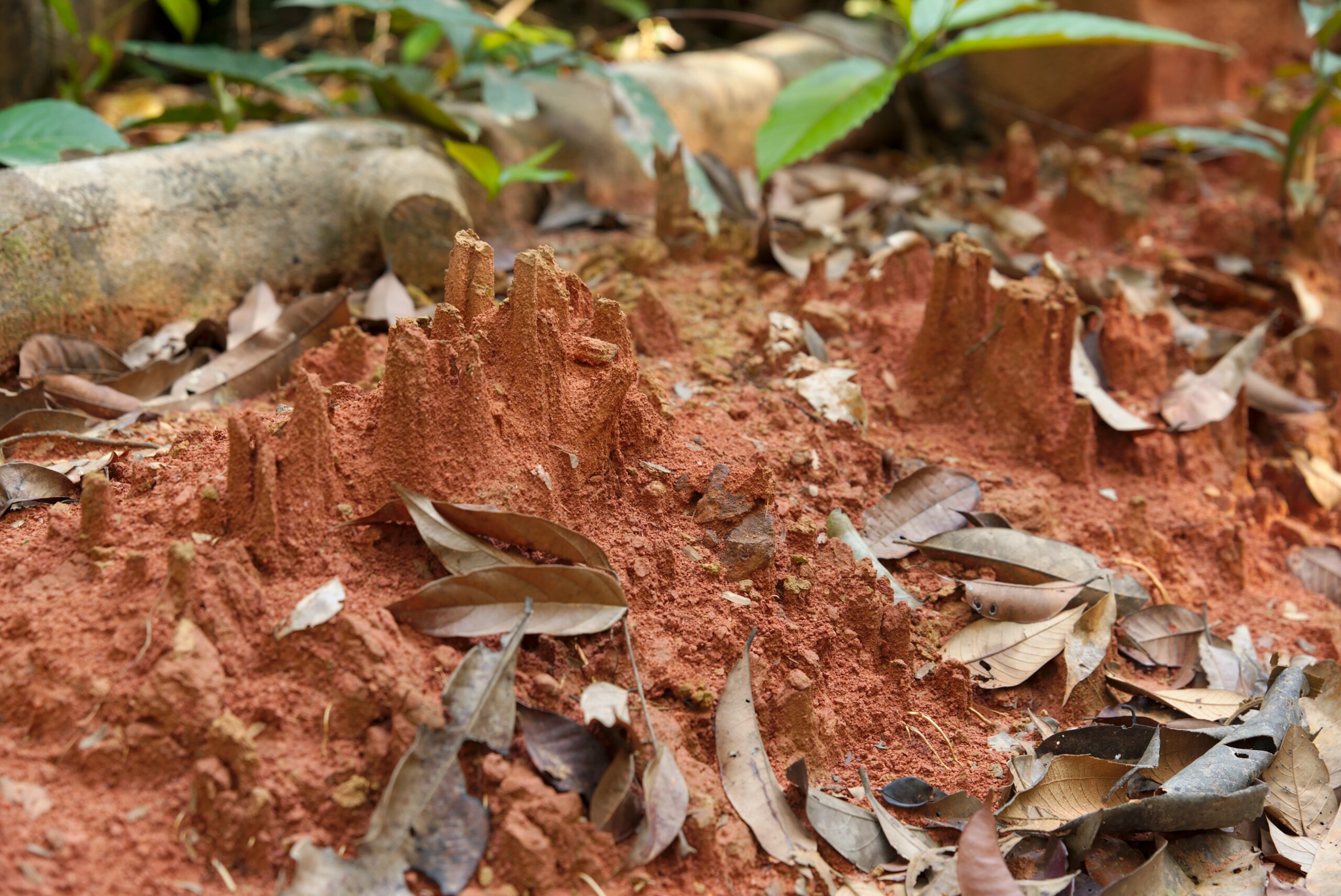
In a new study, Johanna Schüttler and her colleagues explored how soil in the Amazon rainforest releases or takes up BVOC across different seasons. They focused on key reactive compounds like isoprene, monoterpenes, sesquiterpenes, and two isoprene oxidation products: methacrolein and methyl vinyl ketone.
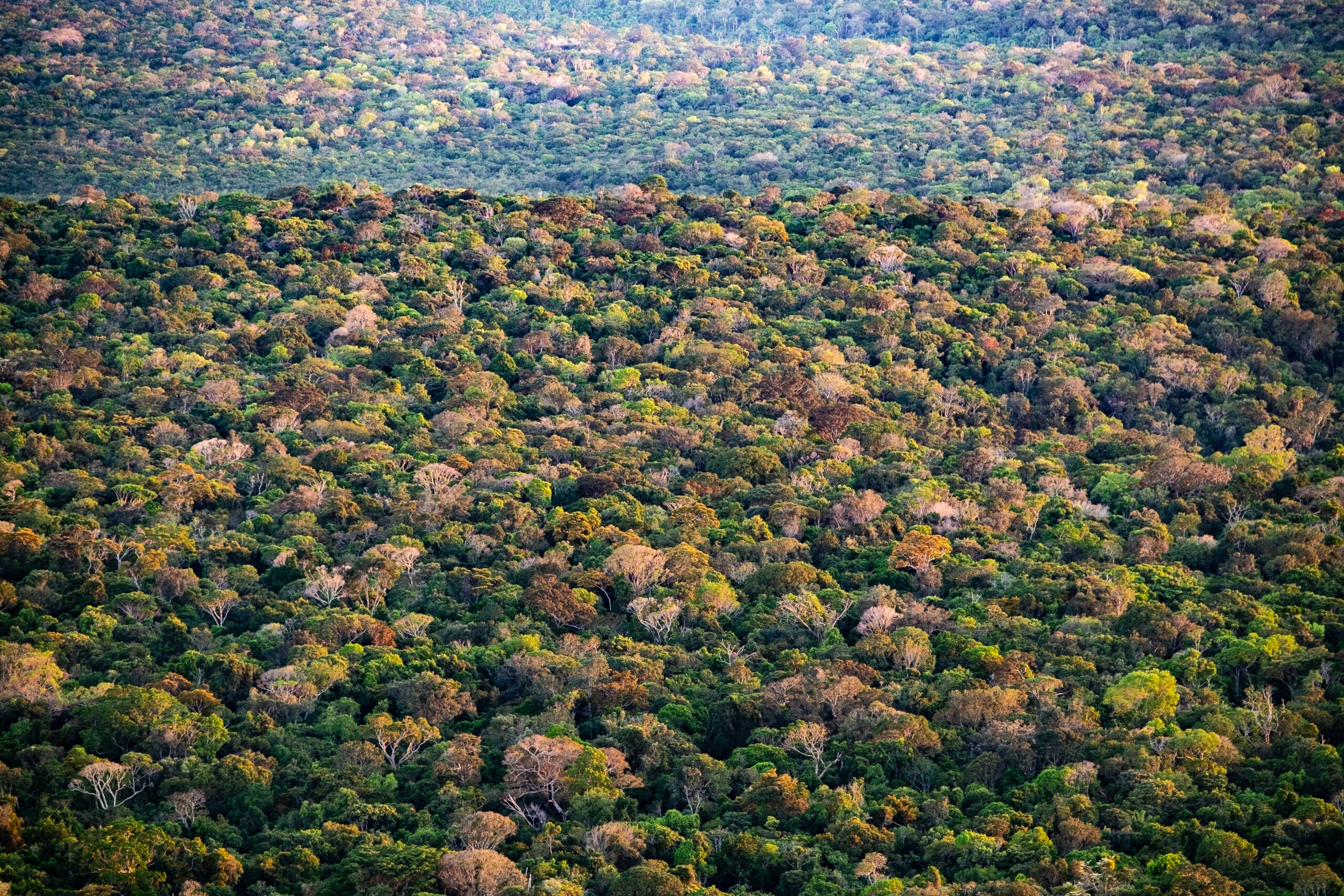
A new study reveals that leaf turnover strategies and heat stress in Amazonian trees affect atmospheric chemistry and carbon cycling: trees, and in particular brevideciduous trees, emit more and more carbon-rich volatile organic compounds as temperatures rise.
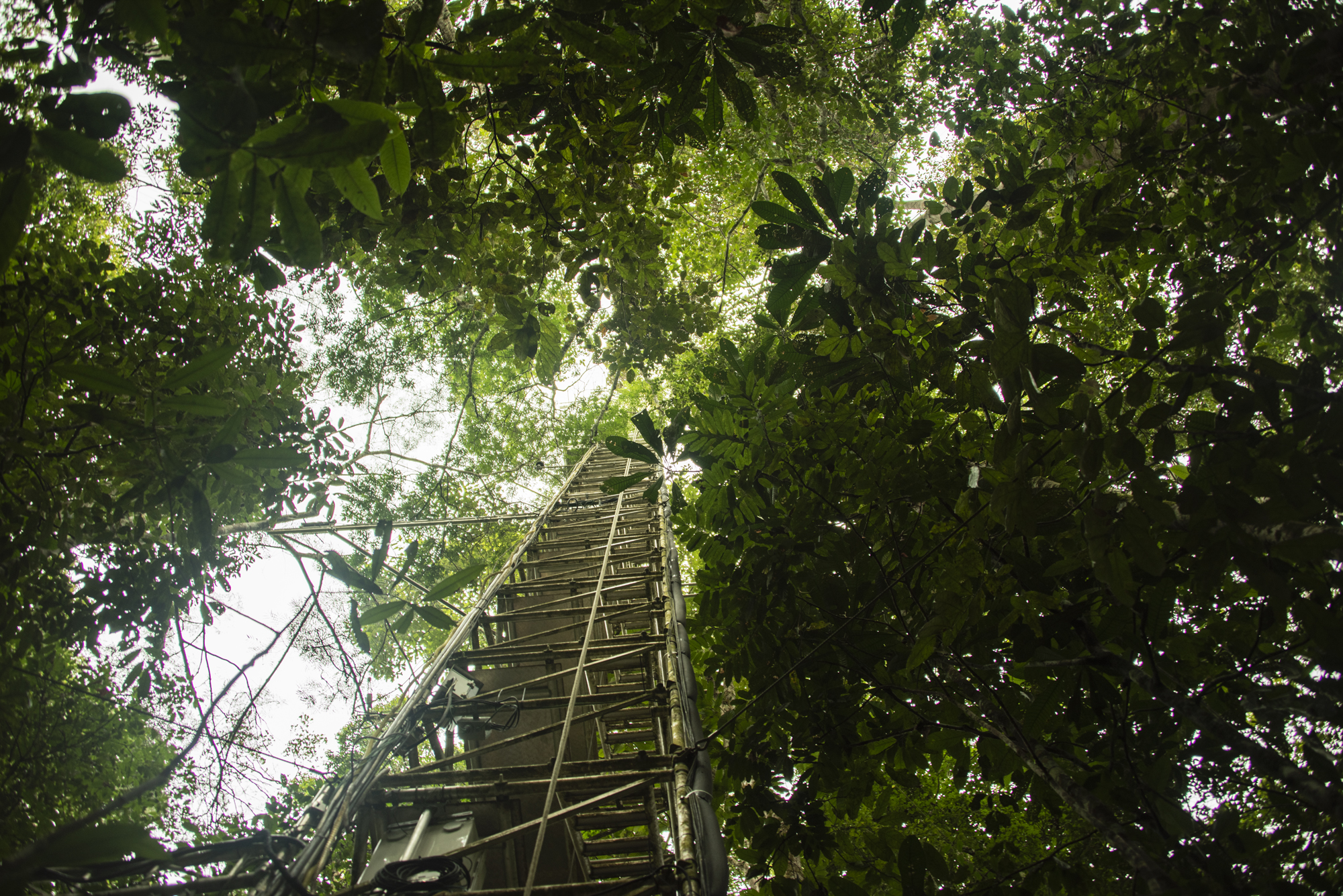
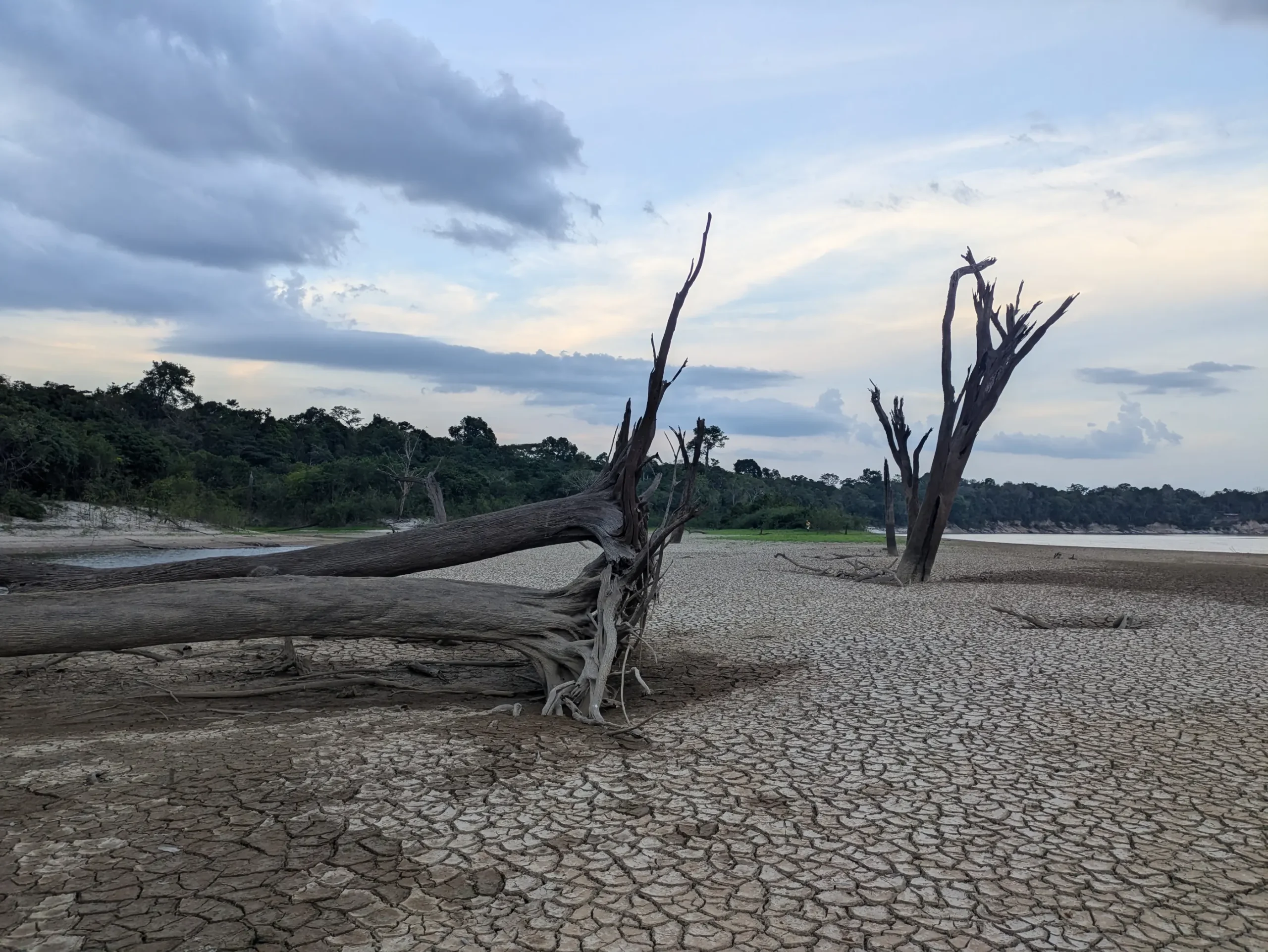
During the 2023–2024 El Niño – the most severe drought ever recorded in the Amazon basin – tree emissions of sesquiterpenes surged. Unexpected emissions of sesquiterpene alcohols in the wet season after the drought, suggesting the forest’s stress-defense metabolism stays active long after the immediate stress has passed.
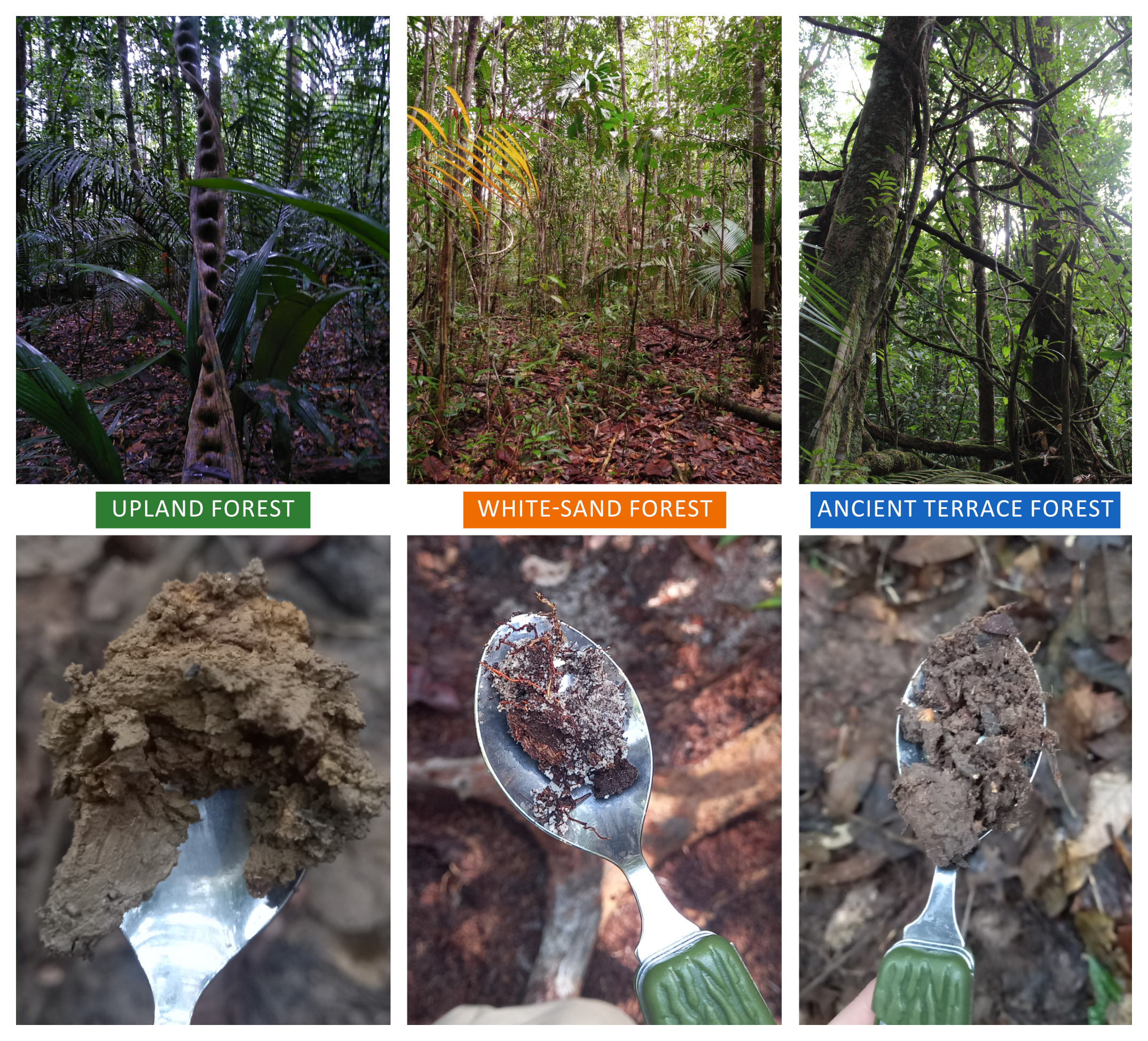
Débora Pinheiro-Oliveira and her colleagues investigated how forest diversity and environmental conditions shape the fluxes of BVOCs and methane in the soil–litter layer. They found that forest diversity and environmental conditions create a mosaic of gas exchange processes across the region.
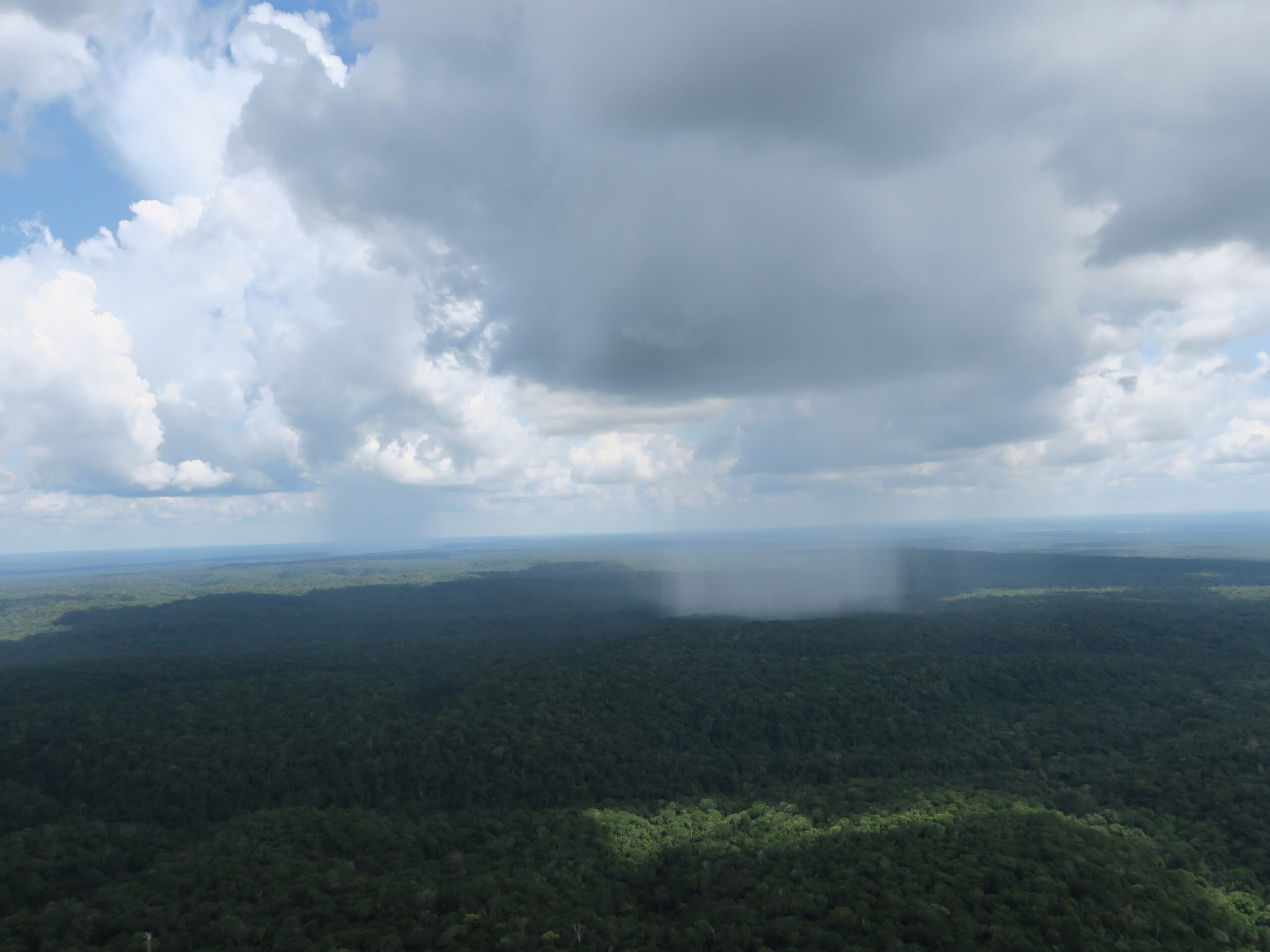
A hidden mechanism continuously forms new aerosol particles from gaseous precursors in the Amazon rainforest, challenging previous assumptions about the sources of cloud condensation nuclei and their role in the hydrological cycle and climate.
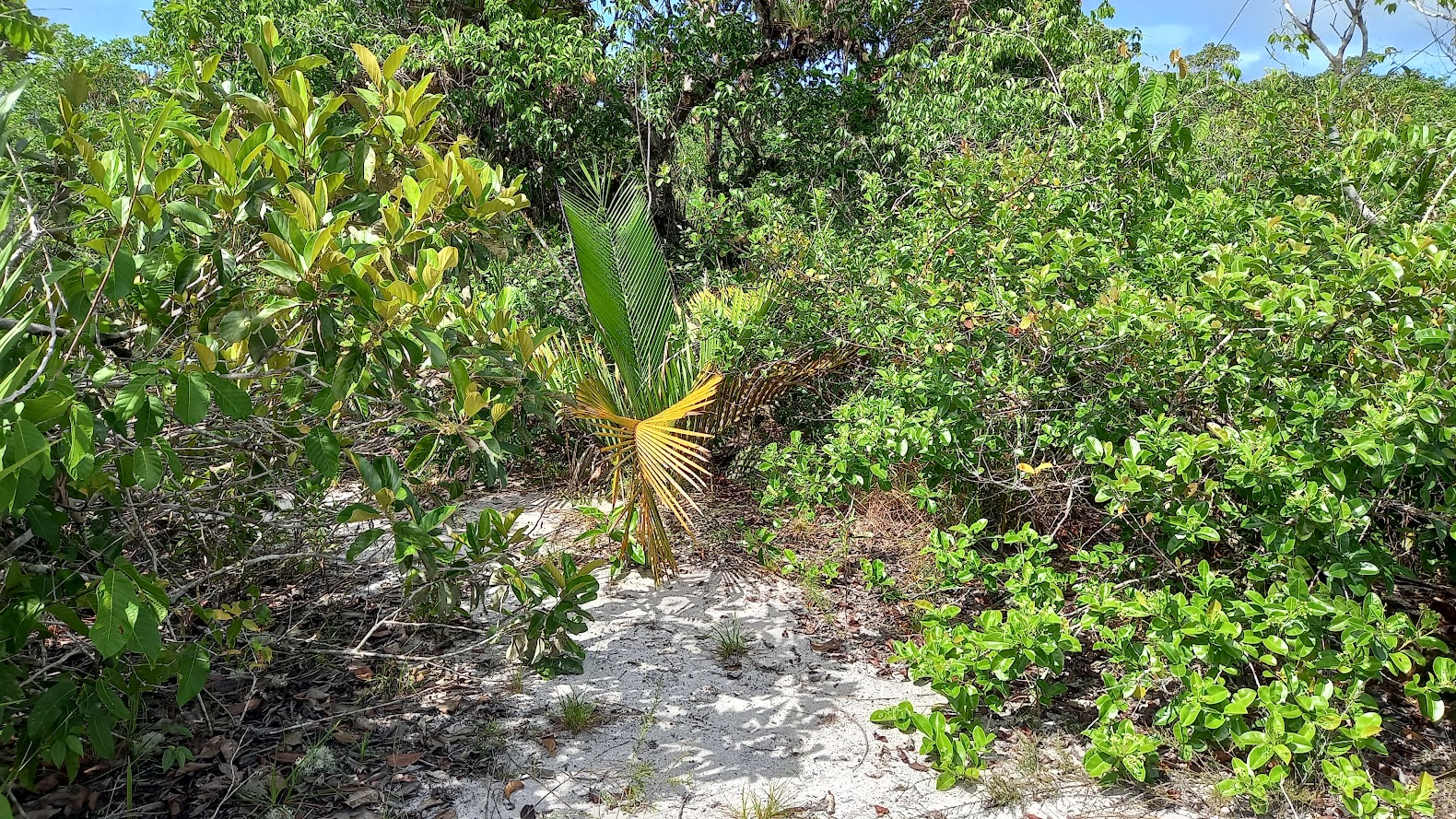
A new study shows that drought stress reorganizes soil carbon sources in Amazon white-sand forest soils, increasing ecosystem stress and affecting carbon and nutrient cycles.
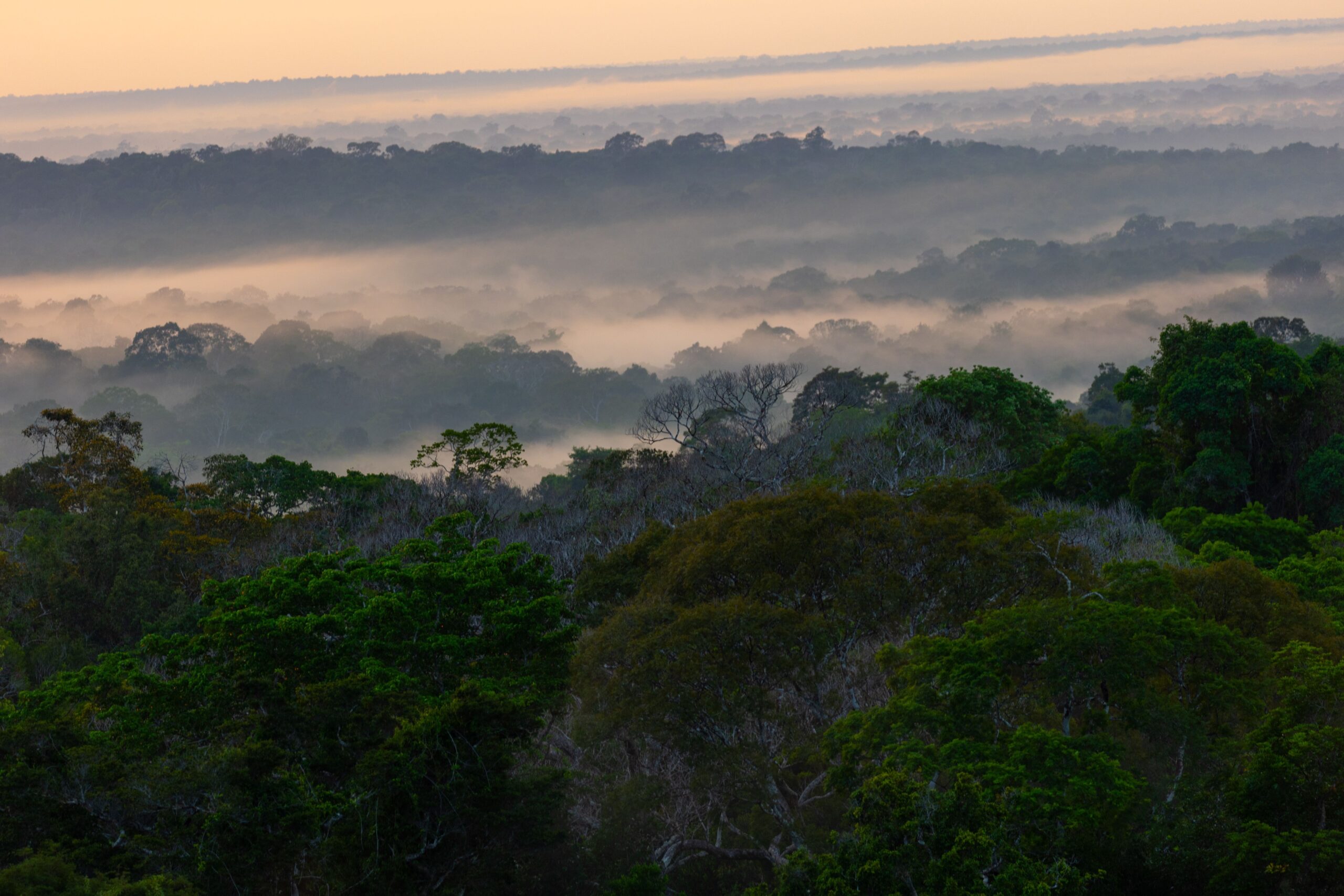
The Amazon rainforest experienced unusually high temperatures and atmospheric dryness in 2023. Observations from ATTO and further data revealed that the vegetation’s uptake of carbon was above average early in the year, but drastically reduced during the drought season, leading from a carbon sink into a source.
New study by the Max Planck Institute for Chemistry shows: The ratio of certain forest scent molecules provides precise insights into the stress state of the rainforest.
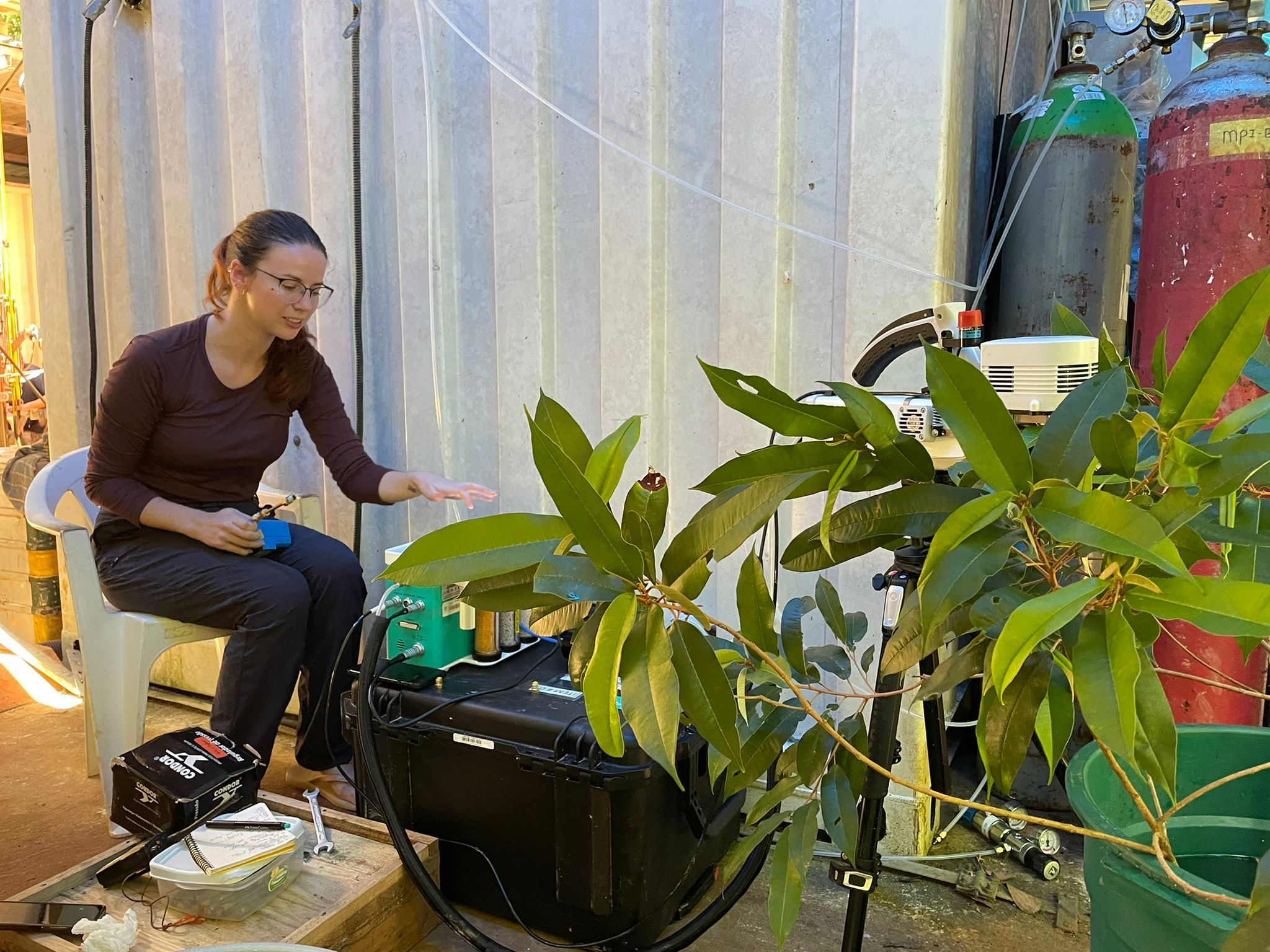
A new study by Robin et al. shows: tree growth strategies influence BVOC emissions in the Amazon, with surprising differences between isoprene and monoterpene producers.

Scientists measured carbonyl compounds in the atmosphere of the Amazon rainforest with the adopted instrumentation to separate aldehydes and ketones. They made some unexpected discoveries, showing studying the variety of carbonyl compounds separately is extremely worthwhile.