The following text is a press release provided by the Max Planck Institute for Chemistry.
New study by the Max Planck Institute for Chemistry shows: The forest chemically adapts to extreme drought – and continues responding long after the stress ends
- During the 2023–2024 El Niño – the most severe drought ever recorded in the Amazon basin – tree emissions of sesquiterpenes surged by 122 percent, while isoprene and monoterpenes barely changed.
- The study also detected unexpected emissions of sesquiterpene alcohols in the wet season after the drought, suggesting the forest’s stress-defense metabolism stays active long after the immediate stress has passed.
The Amazon rainforest responded to the most severe drought ever recorded in the basin with an unexpected defense mechanism. Researchers at the Max Planck Institute for Chemistry in Mainz, Germany, found that during and after the intense 2023-2024 El Niño cycle, the most intense drought ever recorded in the region, vegetation significantly changed its chemical emissions to cope with environmental stress. The study was published in Nature Communications Earth & Environment.
Sesquiterpenes act as stress signals and protective compounds
The research team measured the forest’s release of biogenic volatile organic compounds, or BVOCs, which are carbon-based molecules naturally emitted by vegetation. The results were striking. While isoprene and monoterpenoid levels showed little influence from El Niño conditions of drought and heat, emissions of sesquiterpenes increased by 122% over the course of the event. Sesquiterpenes are reactive airborne molecules that trees produce as stress signals and protective substances. A well-known example is caryophyllene, a peppery-smelling compound found in cloves and black pepper.
Even more surprisingly, the study detected unexpected emissions of less volatile sesquiterpene alcohols, including beta-eudesmol, alpha-eudesmol, and gamma-eudesmol, during the wet season after the drought peak. These findings suggest an adaptive response to oxidative stress, revealing how vegetation metabolically adjusts to adverse conditions. Interestingly the change persisted long after the immediate stressor has passed. “Our results show that severe drought shifts the atmosphere toward lower-volatility and more reactive compounds”, explains Joseph Byron, the study’s first author and a researcher at the Max Planck Institute for Chemistry. “This reflects underlying metabolic changes as the rainforest attempts to mitigate damage from abiotic stress.” Project leader Jonathan Williams added “between El Nino events, which occur every 2-7 years, the rainforest can revert to the original non-stressed emissions. However, climate models suggest that El Nino events will increase in frequency and intensity in this century, so these emissions may become a permanent feature of the region, altering the overlying atmospheric chemistry”.
Air samples collected directly above the forest canopy
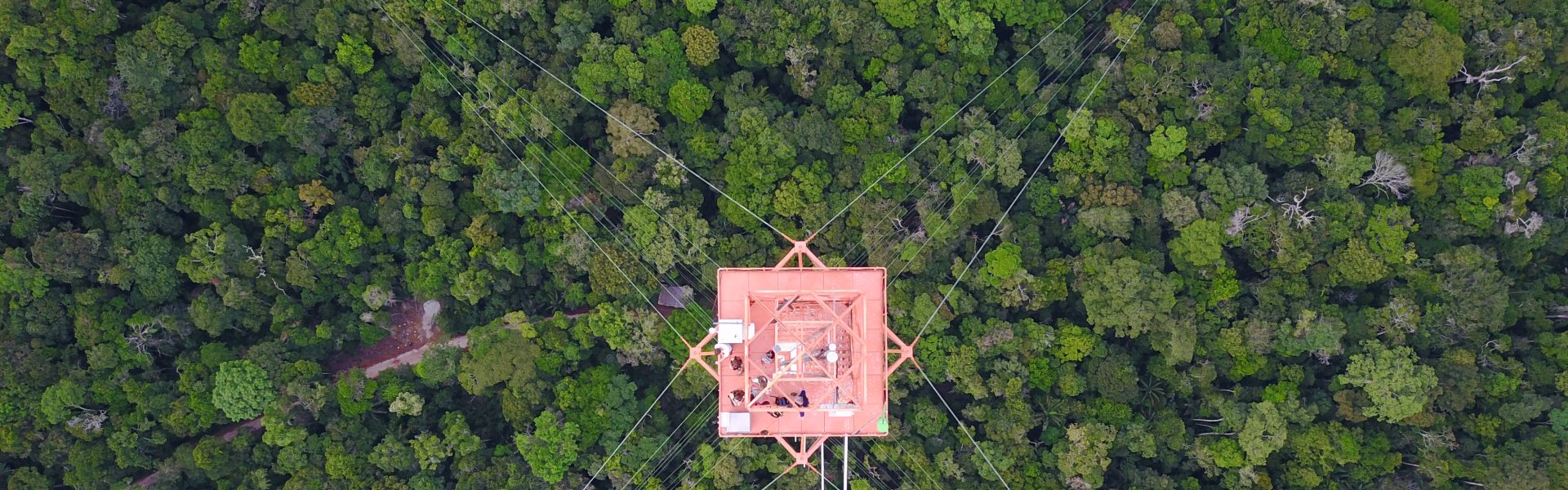
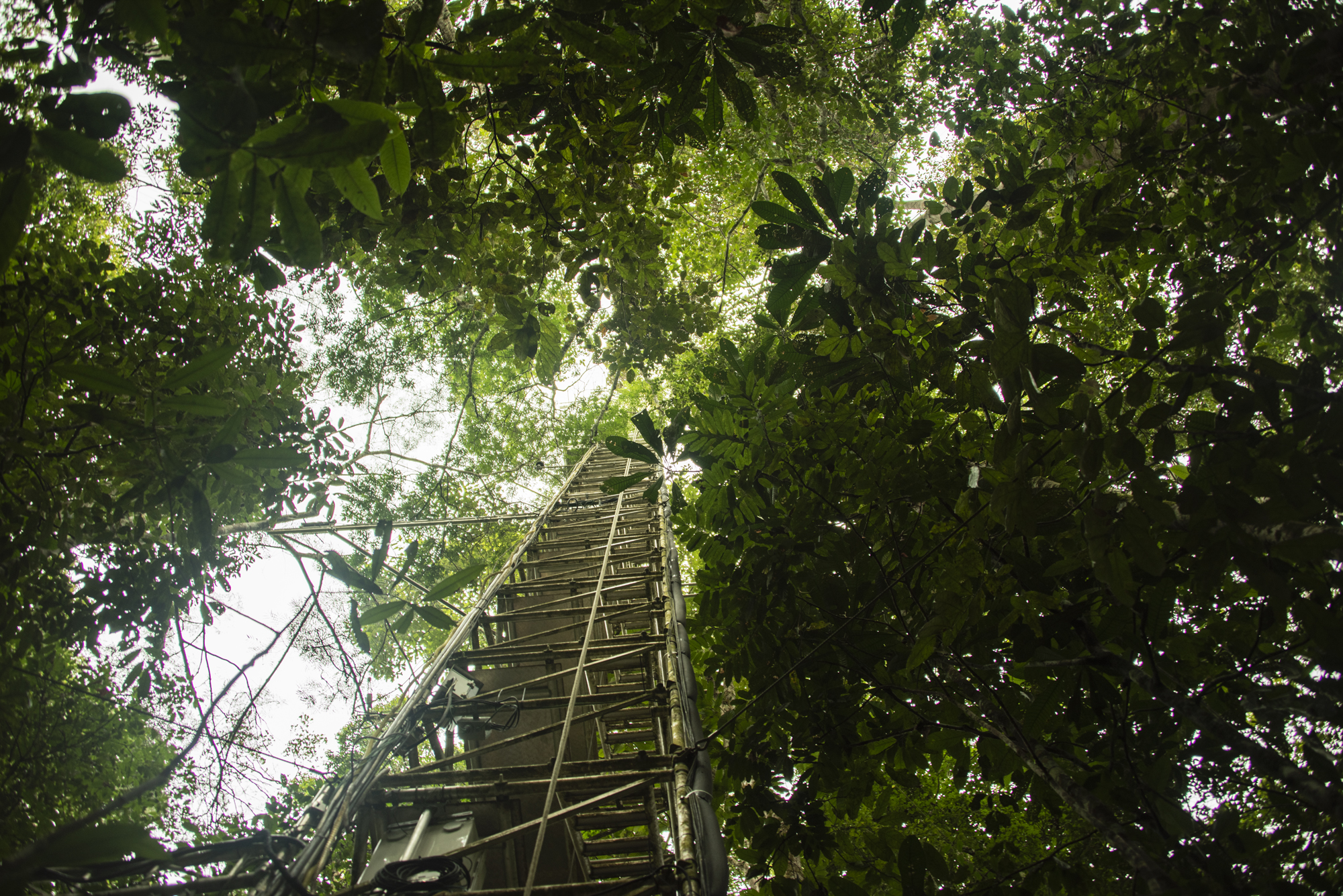
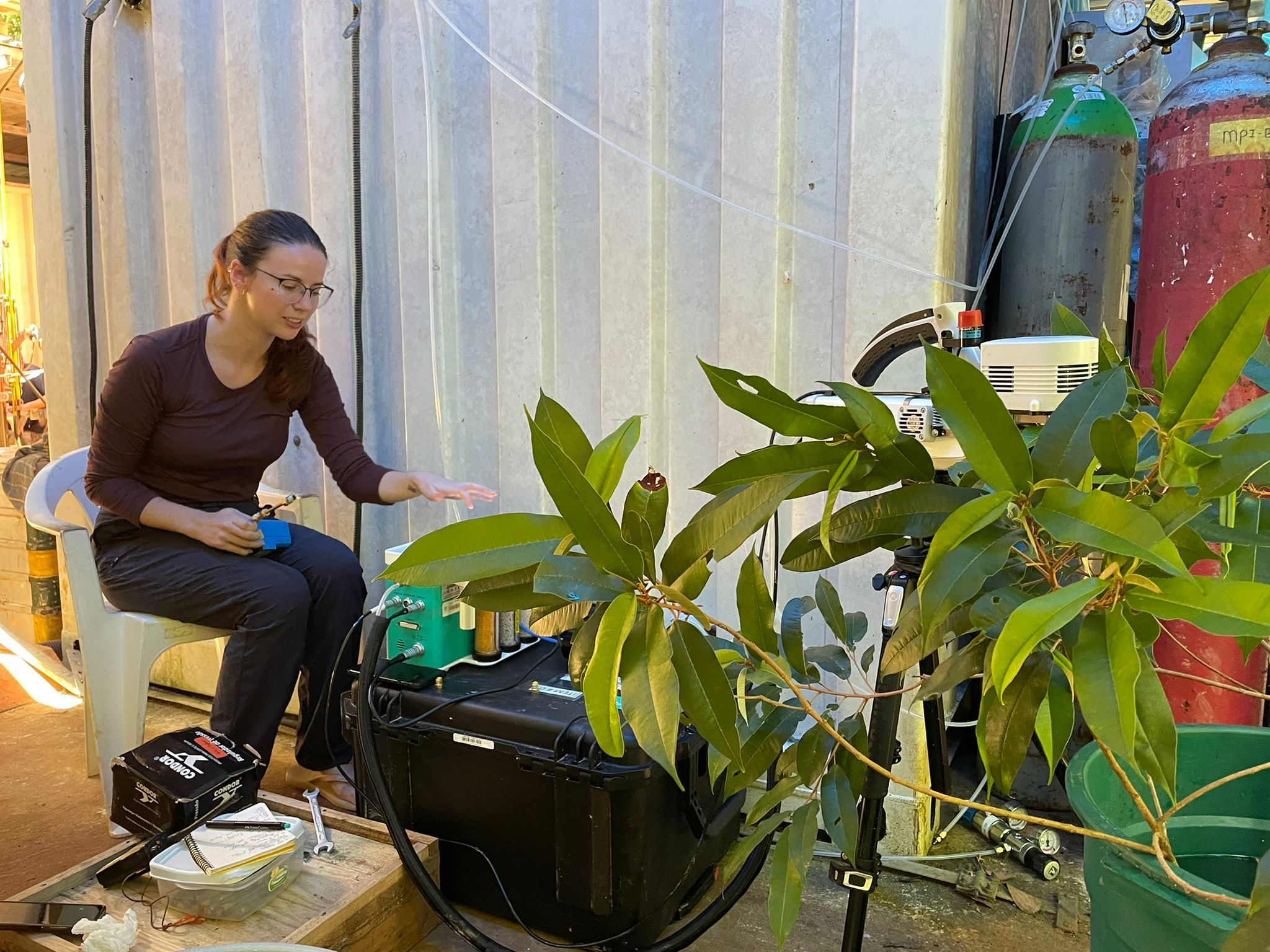
The researchers collected canopy air samples at the Amazon Tall Tower Observatory (ATTO), 150 km northeast of Manaus, Brazil. Using sorbent cartridges, they gathered samples every 1.5 to 3 hours at 23 meters on an 80-meter tower. In the laboratory in Mainz, they later analyzed them offline using gas chromatography and mass spectrometry.
The findings build on earlier work by the same team on chemical indicators of stress in the Amazon rainforest. In their previous research, they identified specific mirror molecules, or enantiomers, that can serve as indicators of stress within the rainforest ecosystem (see related press release: Mirror image molecules reveal drought stress in the Amazon rainforest). The current study expands this understanding by showing which specific reactive volatile compounds are produced directly as part of the forest’s defense response during extreme climate events.
Implications for climate change and rainforest resilience
Understanding these chemical responses is very important, as climate change is predicted to make El Niño events more intense and persistent. The shift toward more reactive compounds could have significant implications for atmospheric chemistry and the overall resilience of the Amazon rainforest.
Byron et al. published the study “Intense El Niño provokes production of new reactive volatiles as stress defences in Amazon rainforest” in the journal Nature Communications Earth and Environment.
Similar articles
Débora Pinheiro-Oliveira and her colleagues investigated how forest diversity and environmental conditions shape the fluxes of BVOCs and methane in the soil–litter layer. They found that forest diversity and environmental conditions create a mosaic of gas exchange processes across the region.
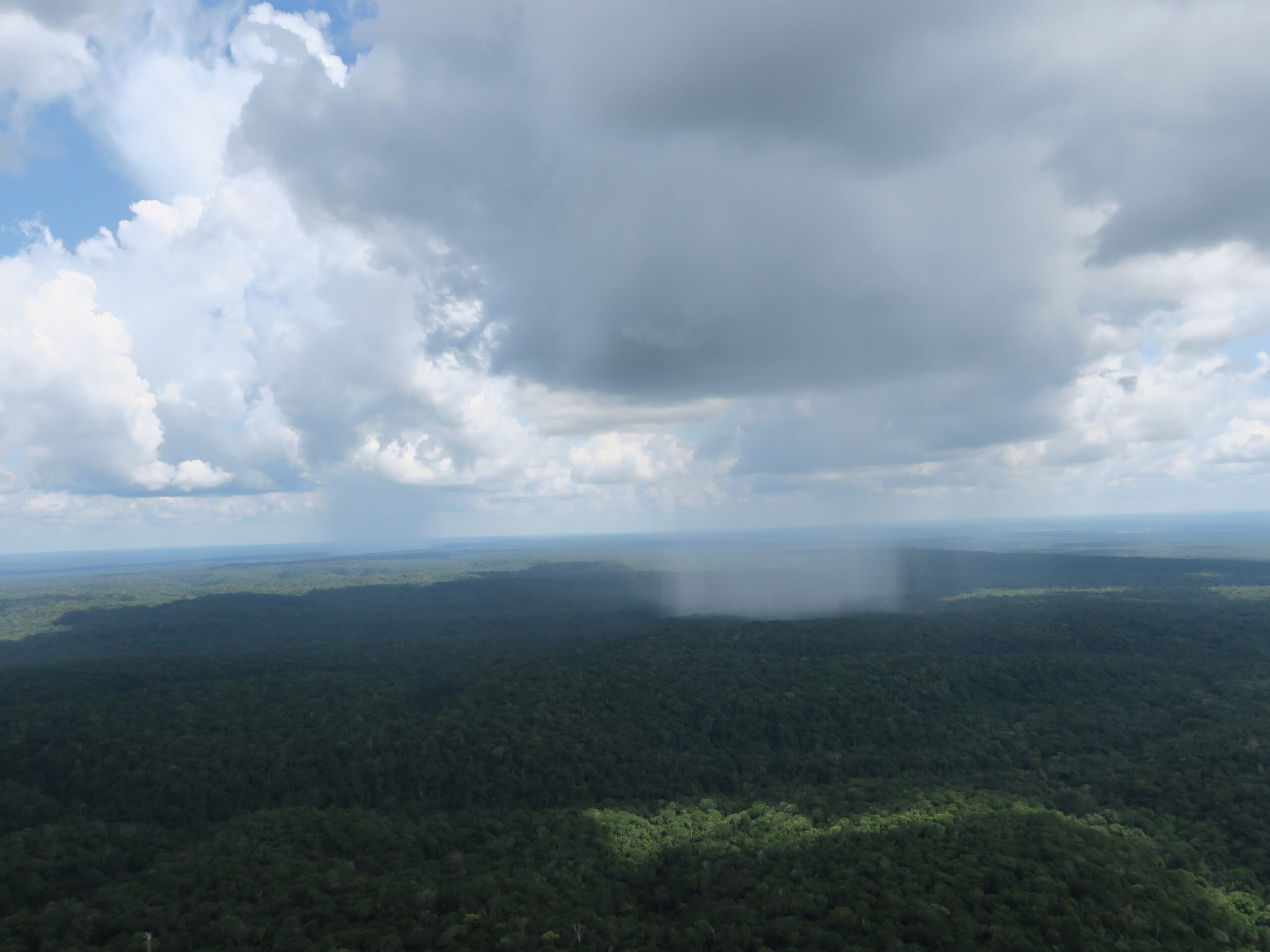
A hidden mechanism continuously forms new aerosol particles from gaseous precursors in the Amazon rainforest, challenging previous assumptions about the sources of cloud condensation nuclei and their role in the hydrological cycle and climate.
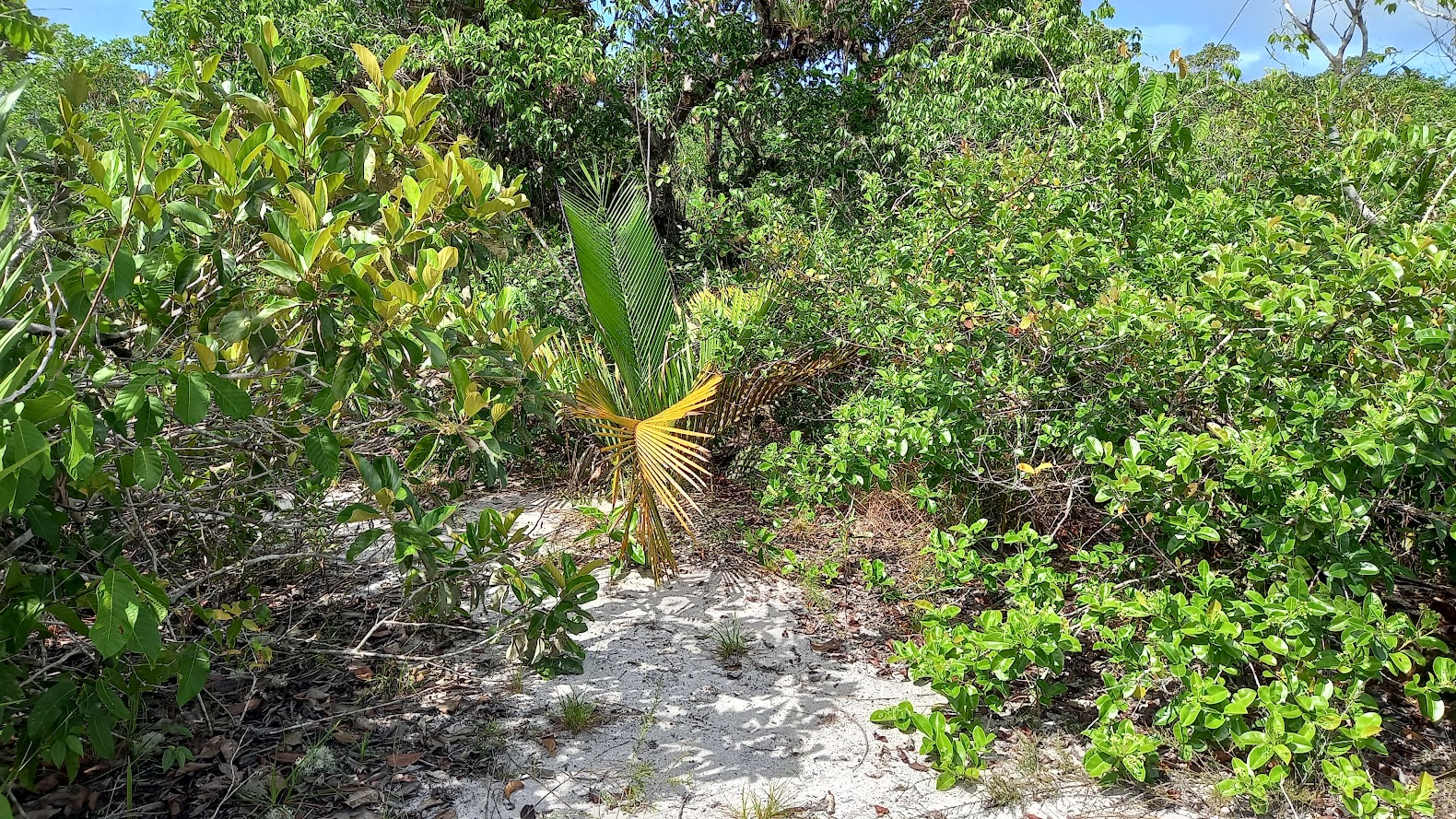
A new study shows that drought stress reorganizes soil carbon sources in Amazon white-sand forest soils, increasing ecosystem stress and affecting carbon and nutrient cycles.
The Amazon rainforest experienced unusually high temperatures and atmospheric dryness in 2023. Observations from ATTO and further data revealed that the vegetation’s uptake of carbon was above average early in the year, but drastically reduced during the drought season, leading from a carbon sink into a source.
New study by the Max Planck Institute for Chemistry shows: The ratio of certain forest scent molecules provides precise insights into the stress state of the rainforest.
A new study by Robin et al. shows: tree growth strategies influence BVOC emissions in the Amazon, with surprising differences between isoprene and monoterpene producers.
Scientists measured carbonyl compounds in the atmosphere of the Amazon rainforest with the adopted instrumentation to separate aldehydes and ketones. They made some unexpected discoveries, showing studying the variety of carbonyl compounds separately is extremely worthwhile.
Direct measurements of OH radicals are rare and difficult to achieve. However, since they react with BVOCs, Ringsdorf et al. inferred them from isoprene measurements at ATTO. To do so, they applied a technique called ‘Dynamical Time Warping’ from the field of speech recognition. Akima Ringsdorf et al. published the study “Inferring the diurnal variability of OH radical concentrations over the Amazon from BVOC measurements” Open Access in Nature Scientific Reports.
Eliane Gomes Alves and her colleagues measured isoprene emissions at the ATTO 80-meter tower across three years to better understand how these emissions vary seasonally and under extreme climatic conditions like El Niño events. They also looked into which biological and environmental factors regulate the emission of isoprene to the atmosphere.
BVOC emissions in the Amazon have been studied for decades, but we still don’t fully understand when and under what conditions tree species or even individual trees emit more or fewer isoprenoids. To address this, Eliane Gomes Alves and her colleagues measured isoprenoid emission capacities of three Amazonian hyperdominant tree species.