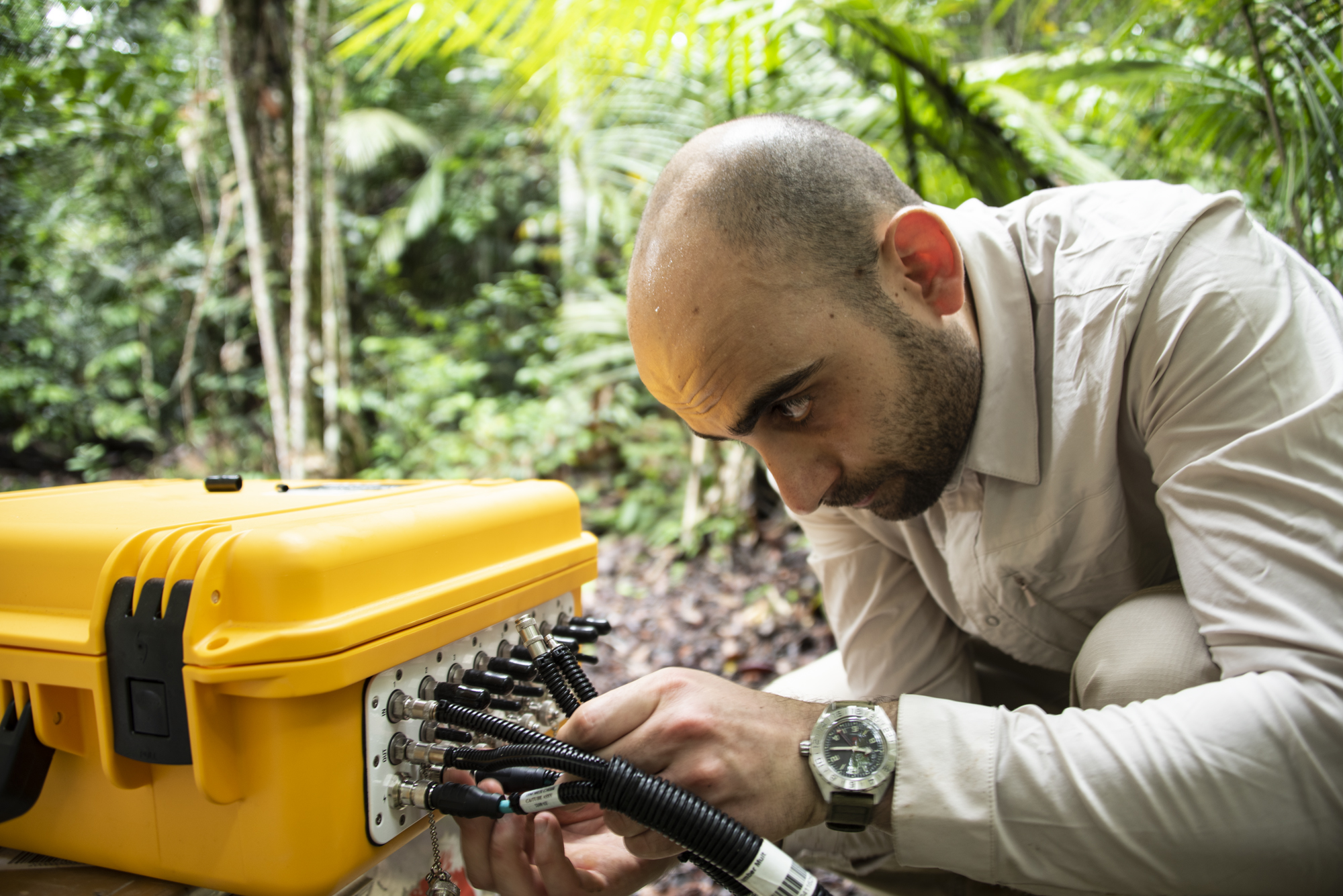
© Frederik Lange/MPI-BGC
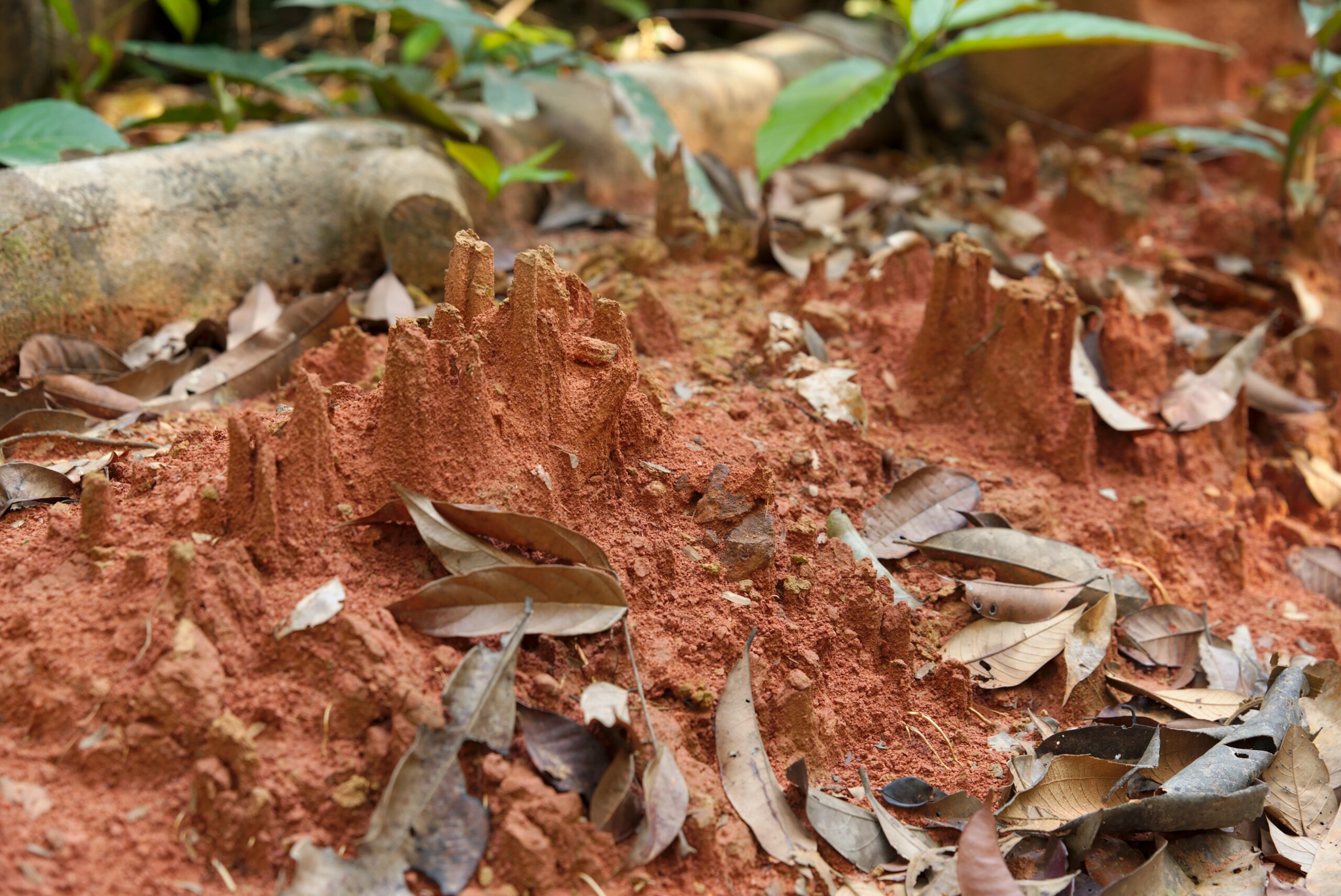
In a new study, Johanna Schüttler and her colleagues explored how soil in the Amazon rainforest releases or takes up BVOC across different seasons. They focused on key reactive compounds like isoprene, monoterpenes, sesquiterpenes, and two isoprene oxidation products: methacrolein and methyl vinyl ketone.
A new study reveals that leaf turnover strategies and heat stress in Amazonian trees affect atmospheric chemistry and carbon cycling: trees, and in particular brevideciduous trees, emit more and more carbon-rich volatile organic compounds as temperatures rise.
The El Niño drought and heat suppress the capacity of the Amazon rainforest soil to absorb isoprene by a factor of four, while boosting its amount around the forest canopy.
During the 2023–2024 El Niño – the most severe drought ever recorded in the Amazon basin – tree emissions of sesquiterpenes surged. Unexpected emissions of sesquiterpene alcohols in the wet season after the drought, suggesting the forest’s stress-defense metabolism stays active long after the immediate stress has passed.
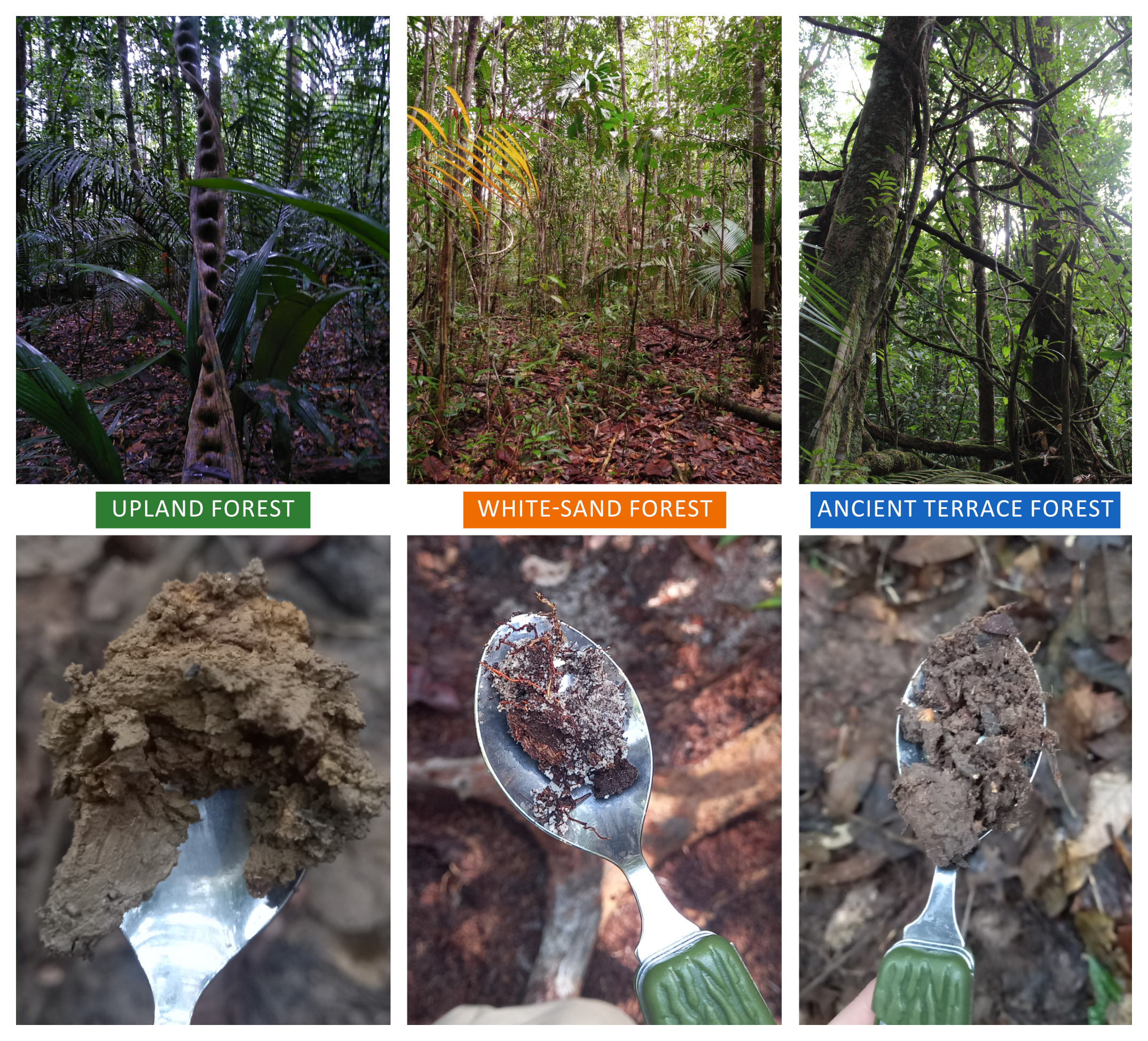
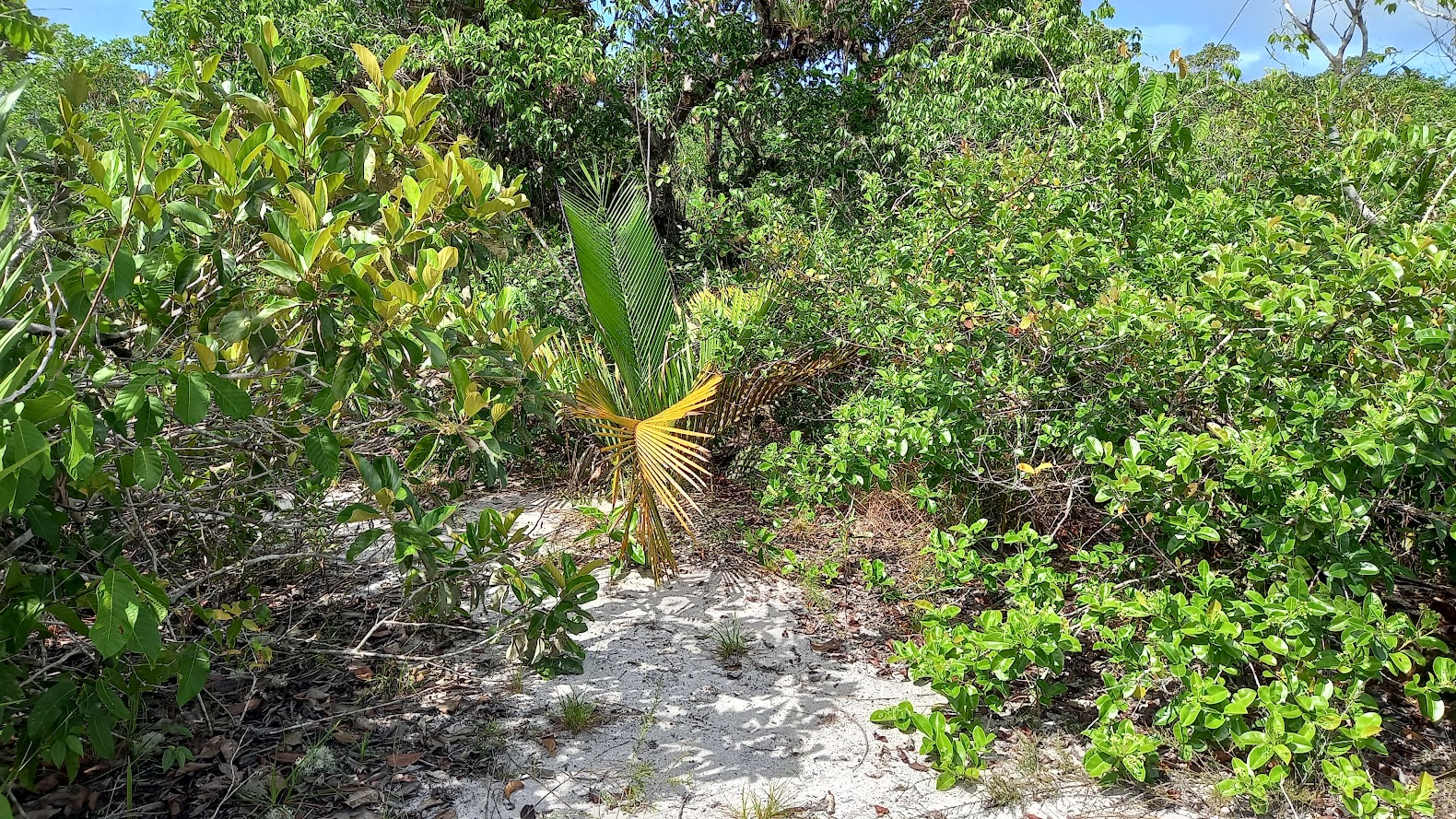
Débora Pinheiro-Oliveira and her colleagues investigated how forest diversity and environmental conditions shape the fluxes of BVOCs and methane in the soil–litter layer. They found that forest diversity and environmental conditions create a mosaic of gas exchange processes across the region.
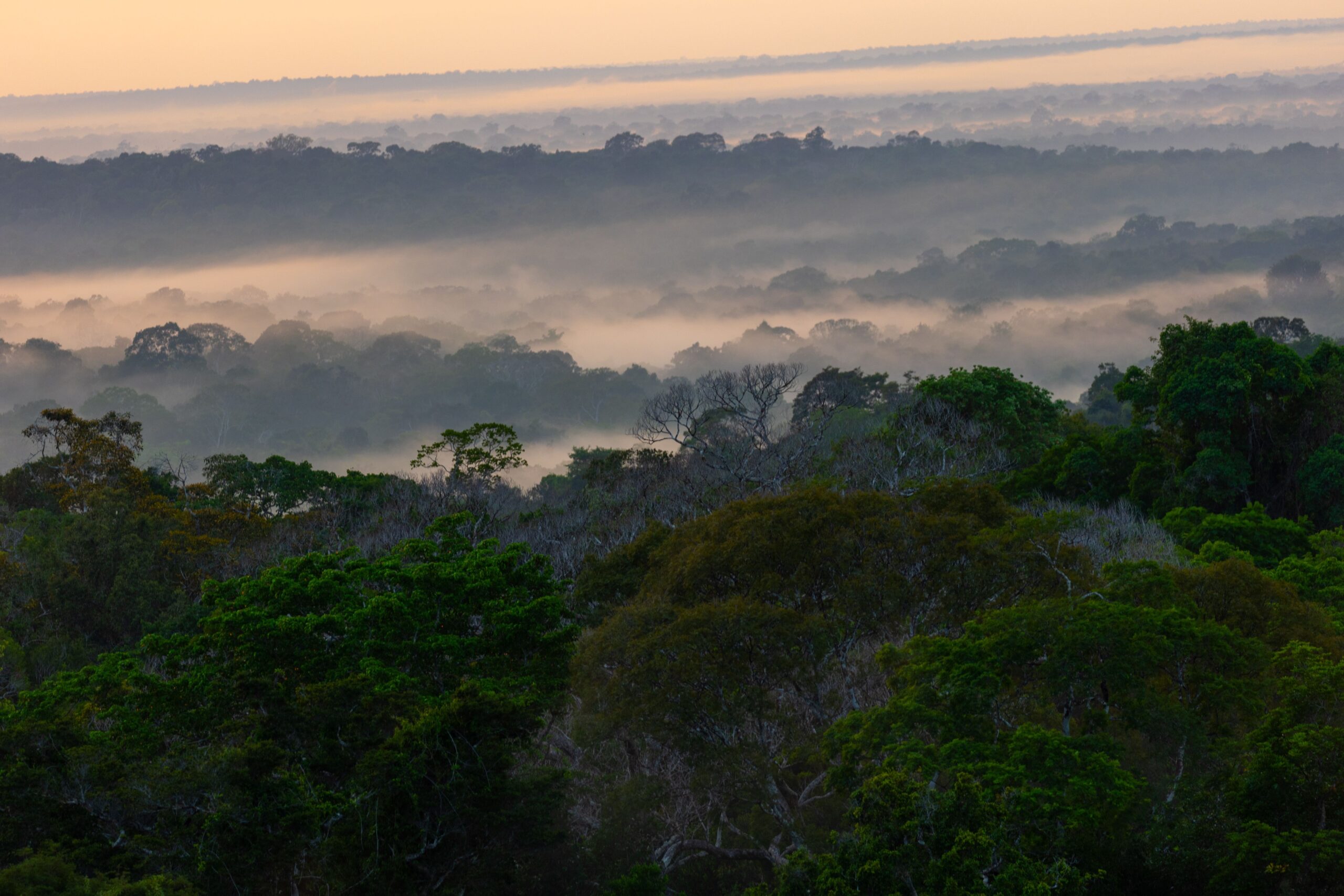
The Amazon rainforest experienced unusually high temperatures and atmospheric dryness in 2023. Observations from ATTO and further data revealed that the vegetation’s uptake of carbon was above average early in the year, but drastically reduced during the drought season, leading from a carbon sink into a source.
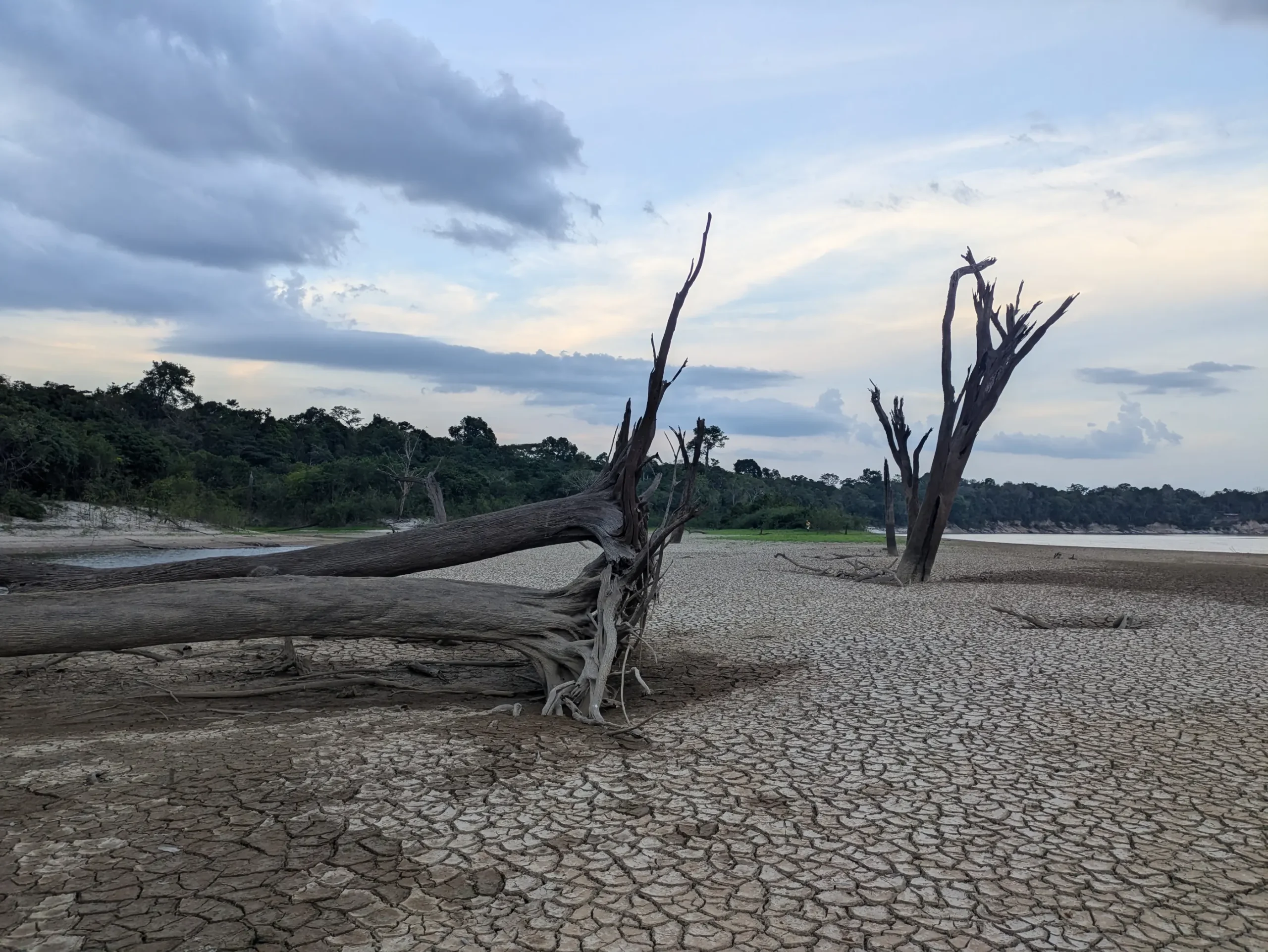
New study by the Max Planck Institute for Chemistry shows: The ratio of certain forest scent molecules provides precise insights into the stress state of the rainforest.

Lange et al. analyzed dissolved organic matter (DOM) in terra firme and white sand soils in the Amazon to learn about the potential limitations of the important nutients phosphorous, nitrogen and sulfur in the different forest and soil types prevalent across the Amazon rainforest.
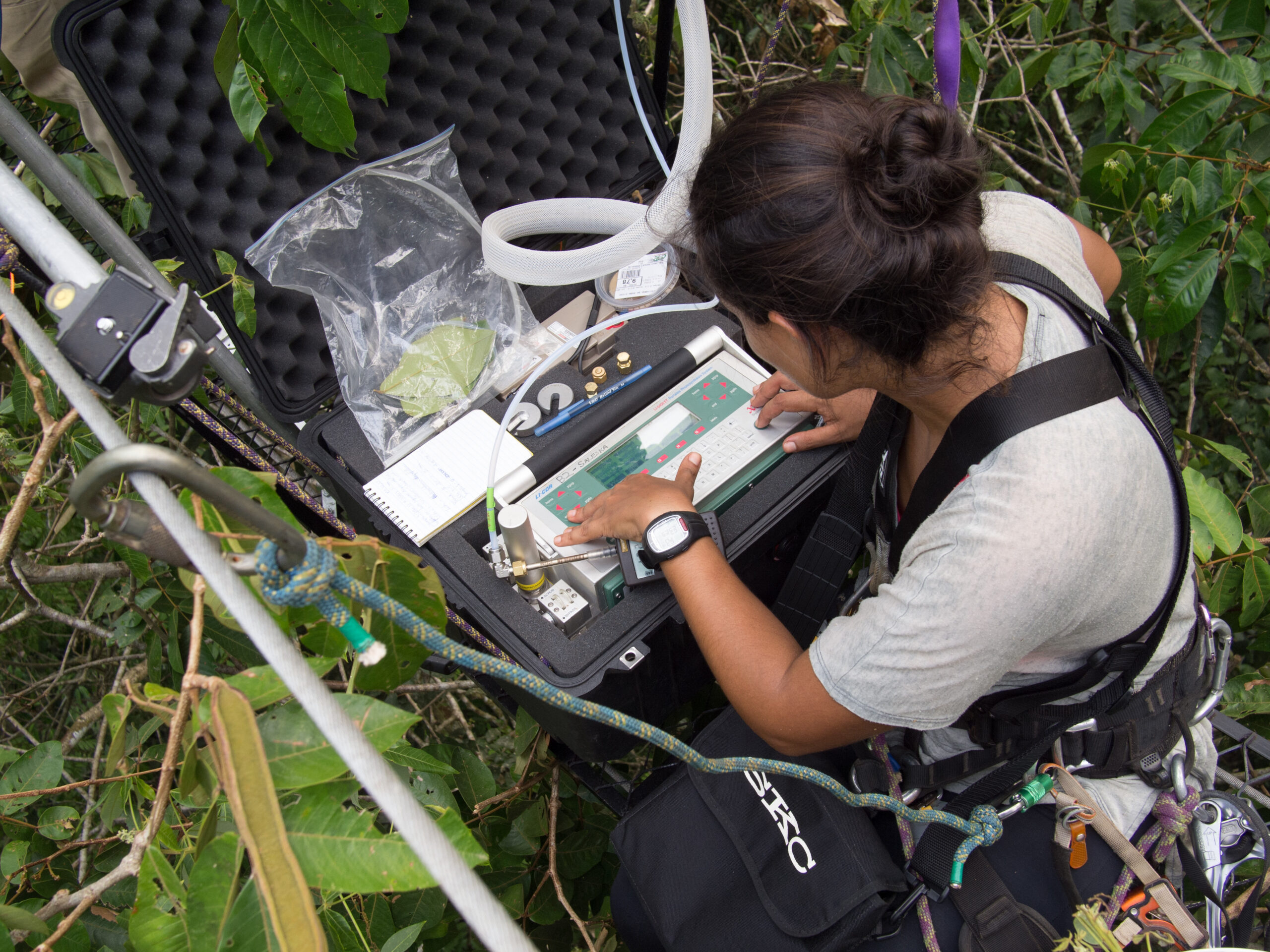
BVOC emissions in the Amazon have been studied for decades, but we still don’t fully understand when and under what conditions tree species or even individual trees emit more or fewer isoprenoids. To address this, Eliane Gomes Alves and her colleagues measured isoprenoid emission capacities of three Amazonian hyperdominant tree species.
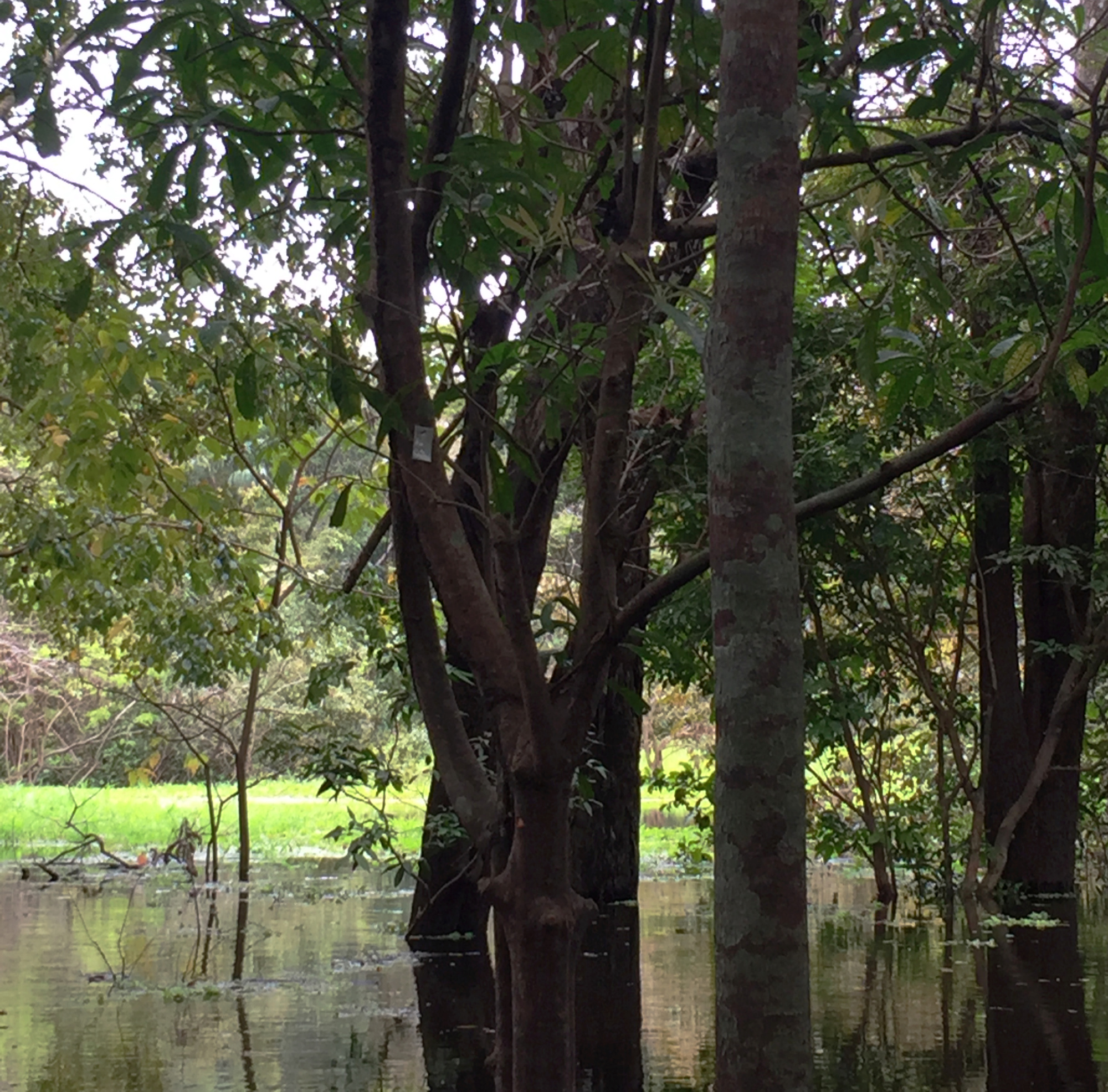
A new study shows that tree growth of Nectandra amazonum (Lauraceae) in the Central Amazonian floodplains does not respond to the annual long-term flooding but to variation of minimum temperature and evapotranspiration.