The Amazon rainforest experienced unusually high temperatures and atmospheric dryness in 2023. Observations from ATTO and further data revealed that the vegetation’s uptake of carbon was above average early in the year, but drastically reduced during the drought season, leading from a carbon sink into a source.
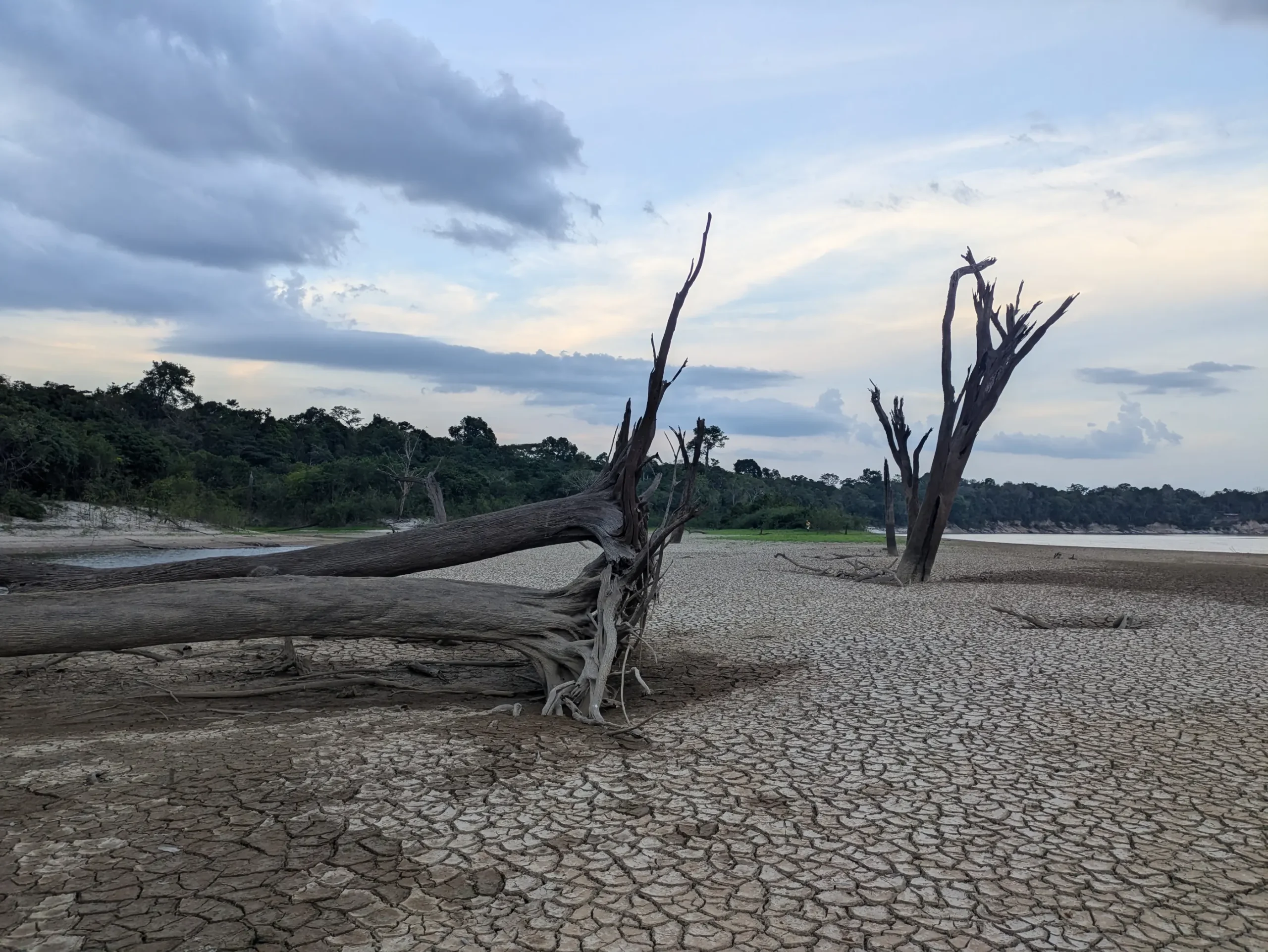
New study by the Max Planck Institute for Chemistry shows: The ratio of certain forest scent molecules provides precise insights into the stress state of the rainforest.
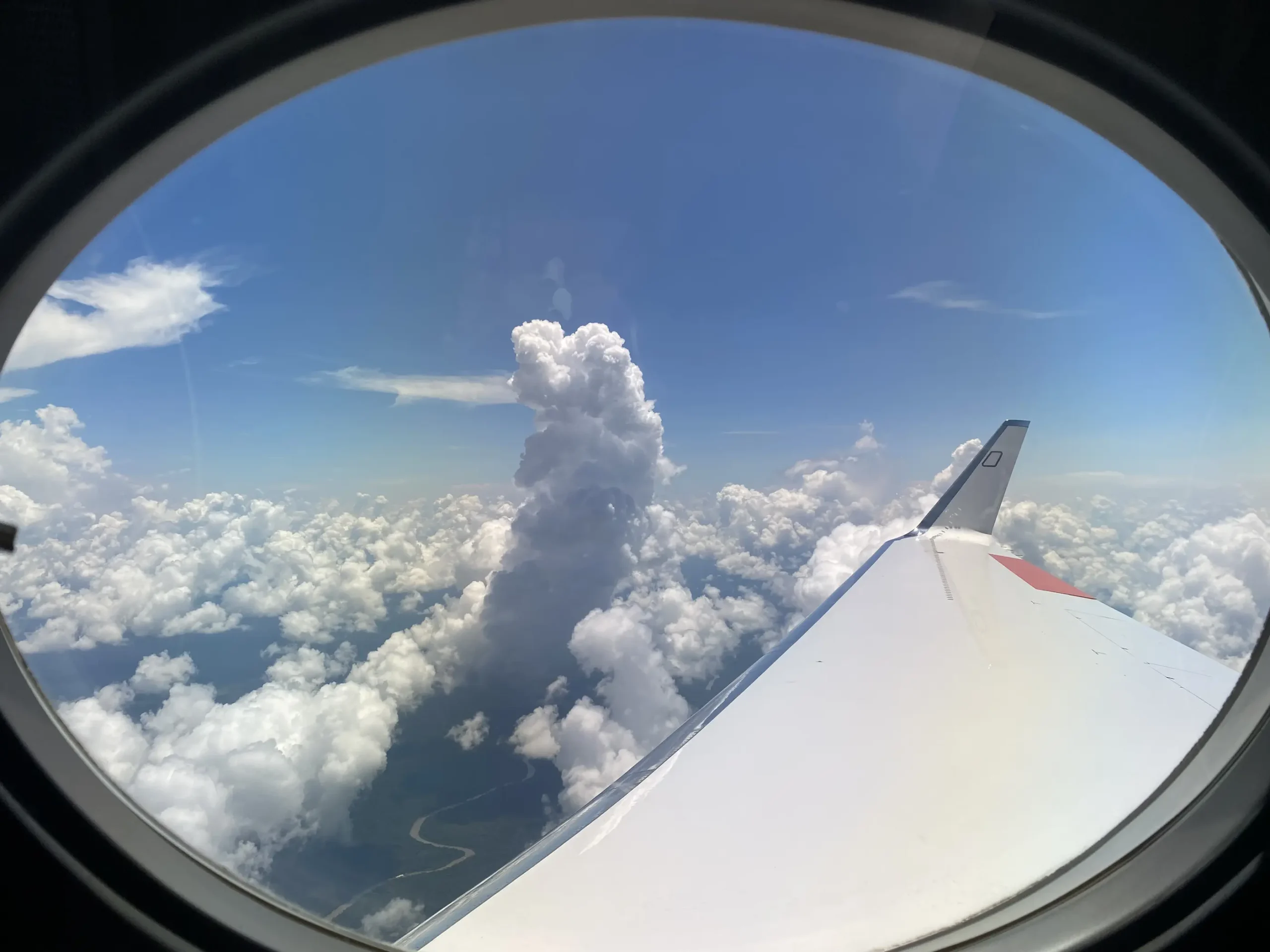
New study highlights Amazon’s critical role in the Earth’s climate system, revealing that land-use changes and accelerating deforestation reduce biogenic trace gas emissions and impact atmospheric chemistry up to 12 km altitude.

Atmospheric aerosol particles are essential for the formation of clouds and precipitation, thereby influencing the Earth’s energy budget, water cycle, and climate. However, the origin of aerosol particles in pristine air over the Amazon rainforest during the wet season is poorly understood. A new study reveals that rainfall regularly induces bursts of newly formed nanoparticles in the air above the forest canopy.

Direct measurements of OH radicals are rare and difficult to achieve. However, since they react with BVOCs, Ringsdorf et al. inferred them from isoprene measurements at ATTO. To do so, they applied a technique called ‘Dynamical Time Warping’ from the field of speech recognition. Akima Ringsdorf et al. published the study “Inferring the diurnal variability of OH radical concentrations over the Amazon from BVOC measurements” Open Access in Nature Scientific Reports.
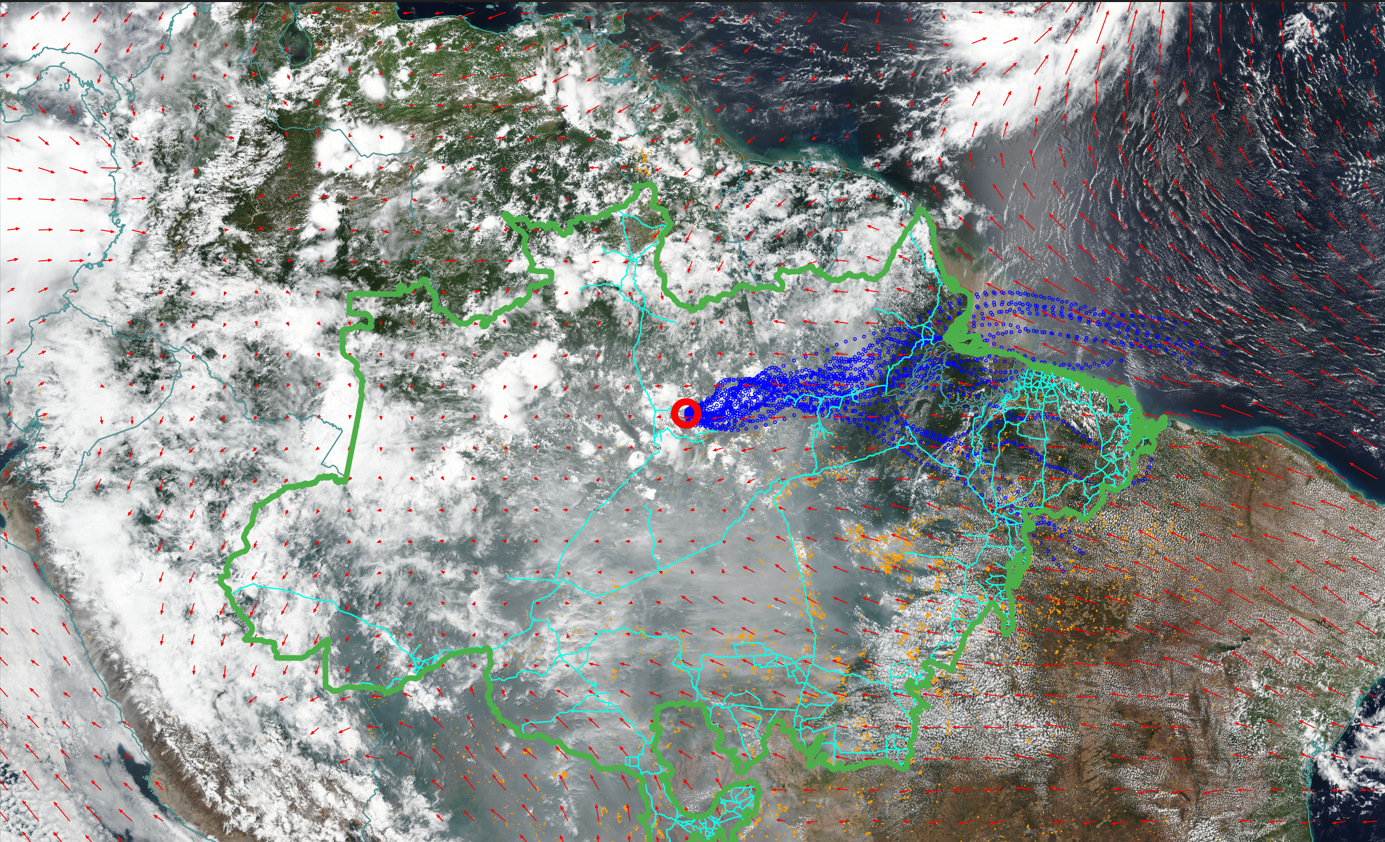
More soot particles enter the central Amazon rainforest from brush fires in Africa than from regional fires at certain times.
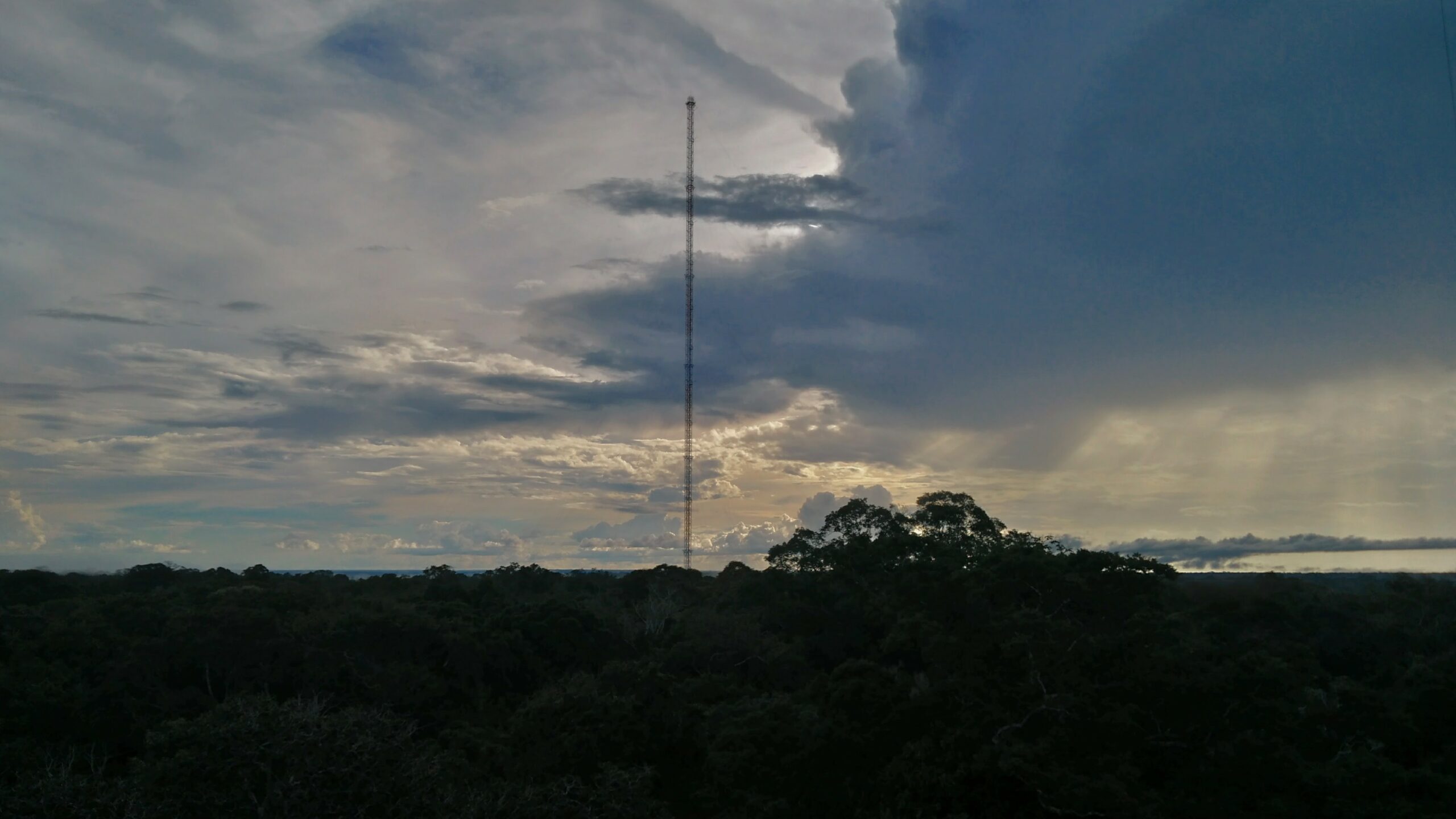
In a new study, Marco A. Franco and his colleagues analyzed when and under what conditions aerosols grow to a size relevant for cloud formation. Such growth events are relatively rare in the Amazon rainforest and follow and pronounced diurnal and seasonal cycles. The majority take place during the daytime, and during the wet season. But the team also discovered a few remarkable exceptions.
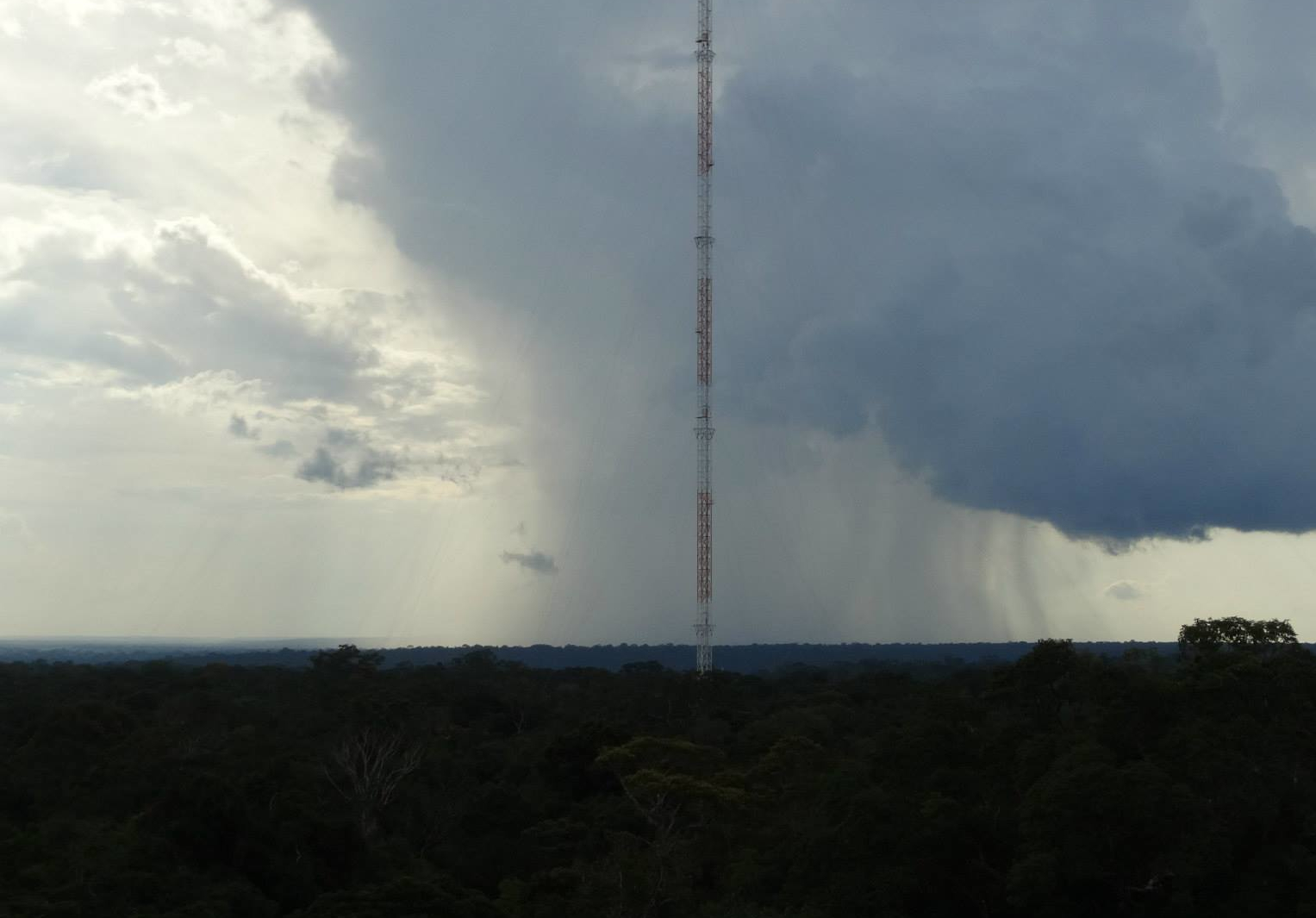
It is long known that aerosols, directly and indirectly, affect clouds and precipitation. But very few studies have focused on the opposite: the question of how clouds modify aerosol properties. Therefore, Luiz Machado and his colleagues looked into this process at ATTO. Specifically, they studied how weather events influenced the size distribution of aerosol particles.
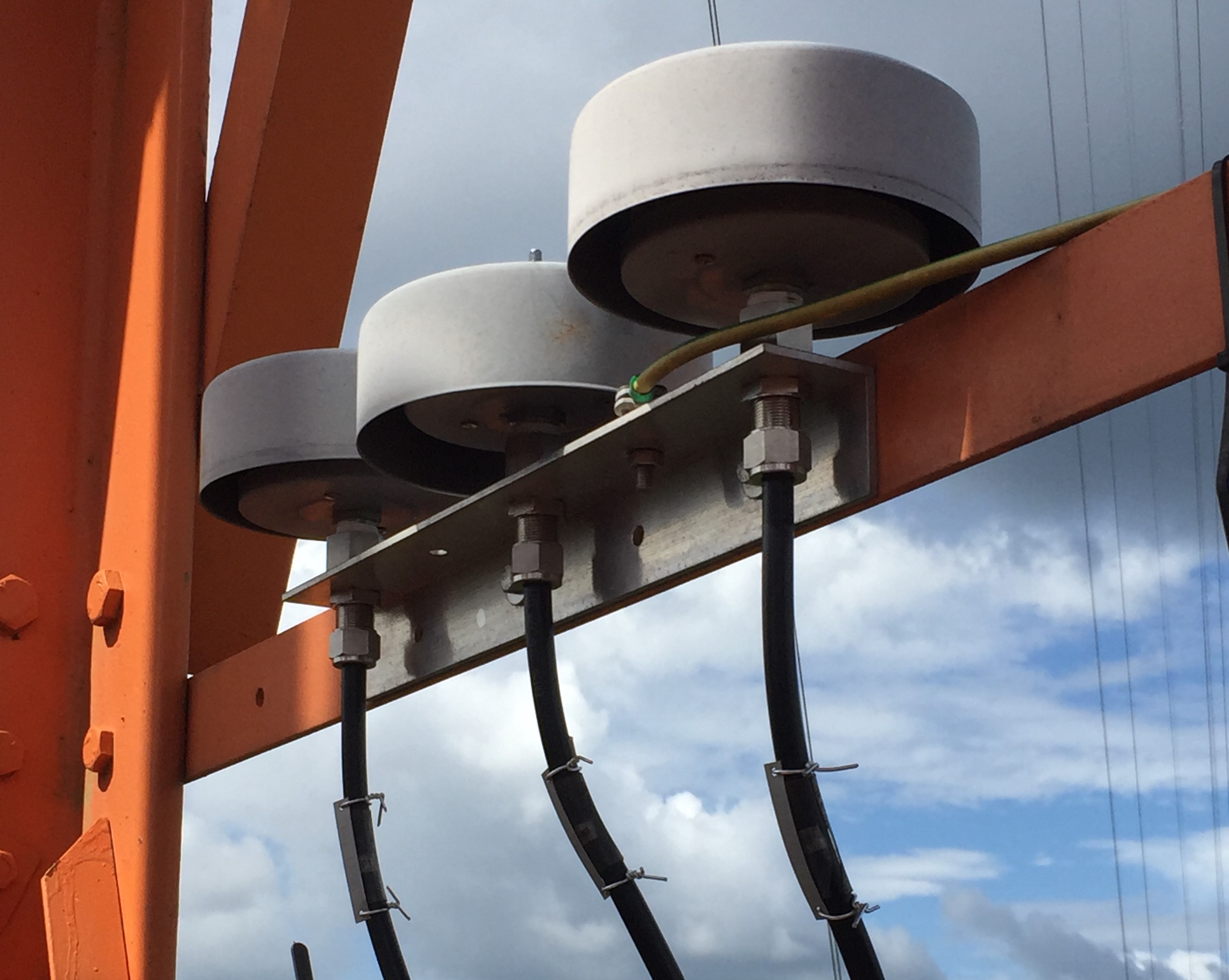
High-quality atmospheric CO2 measurements are sparse across the Amazon rainforest. Yet they are important to better understand the variability of sources and sinks of CO2. And indeed, one of the reasons ATTO was built was to obtain long-term measurements in such a critical region. Santiago Botía and his colleagues now published the first 6 years of continuous, high-precision measurements of atmospheric CO2 at ATTO.
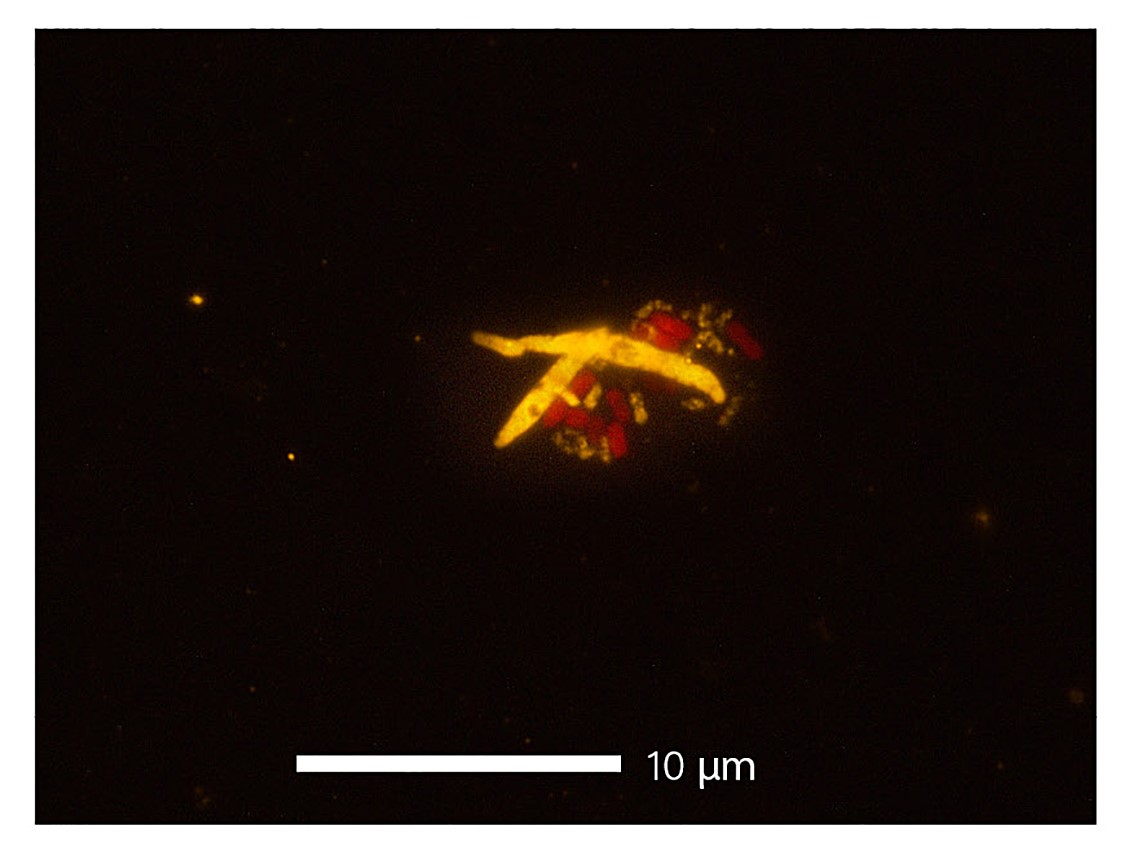
The Amazon rain forest plays a major role in global hydrological cycling. Biogenic aerosols, such as pollen, fungi, and spores likely influence the formation of clouds and precipitation. However, there are many different types of bioaerosols. The particles vary considerably in size, morphology, mixing state, as well as behavior like hygroscopicity (how much particles attract water) and metabolic activity. Therefore, it is likely that not only the amount of bioaerosols affects the hydrological cycle, but also the types of aerosols present.