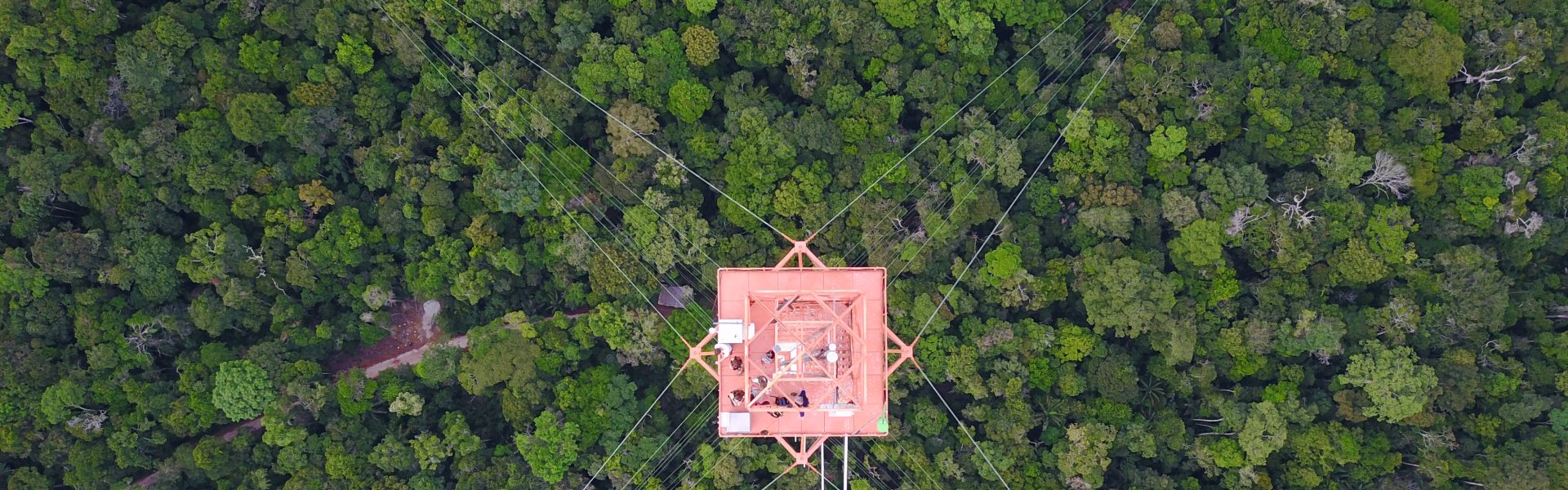

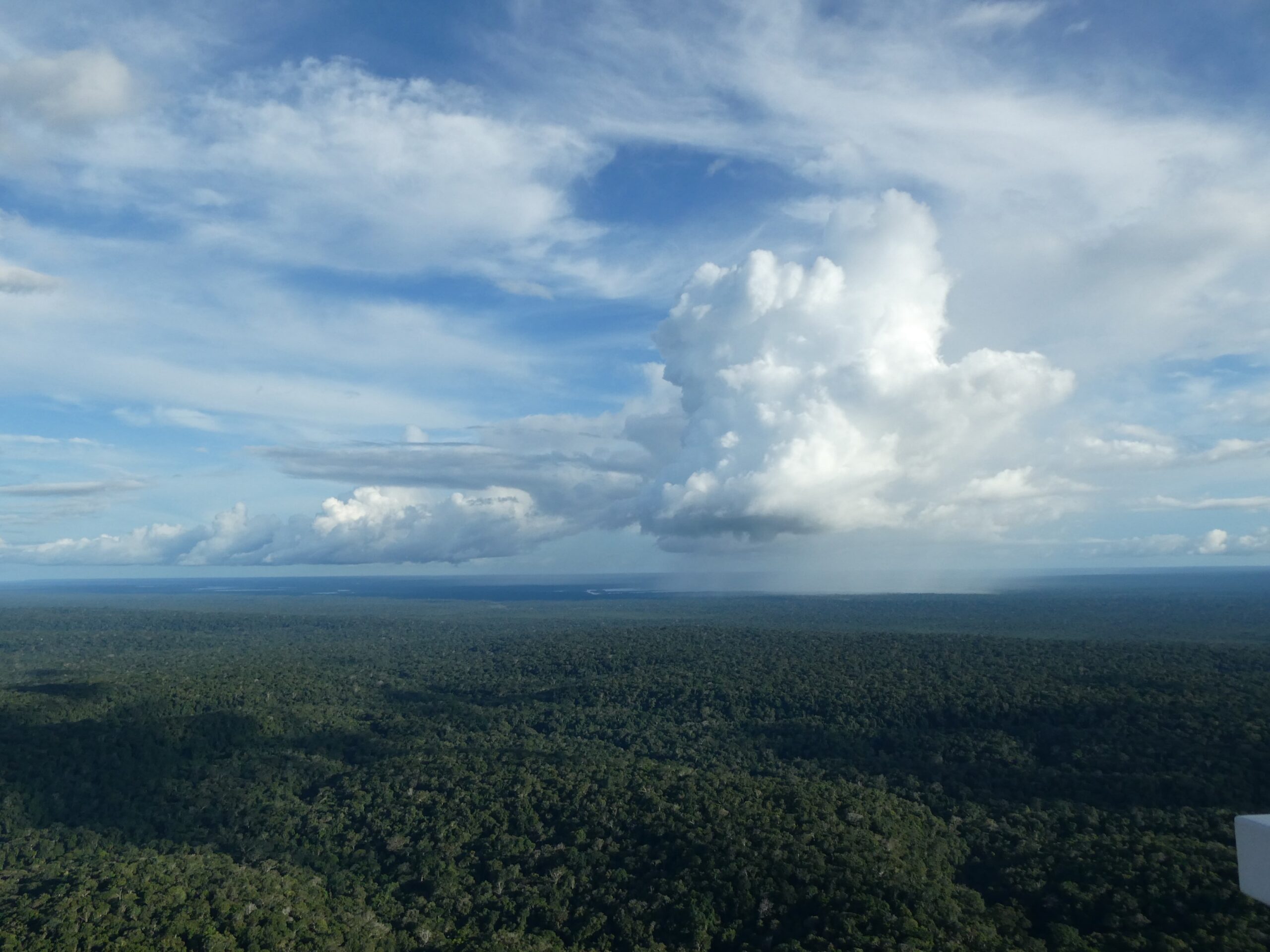
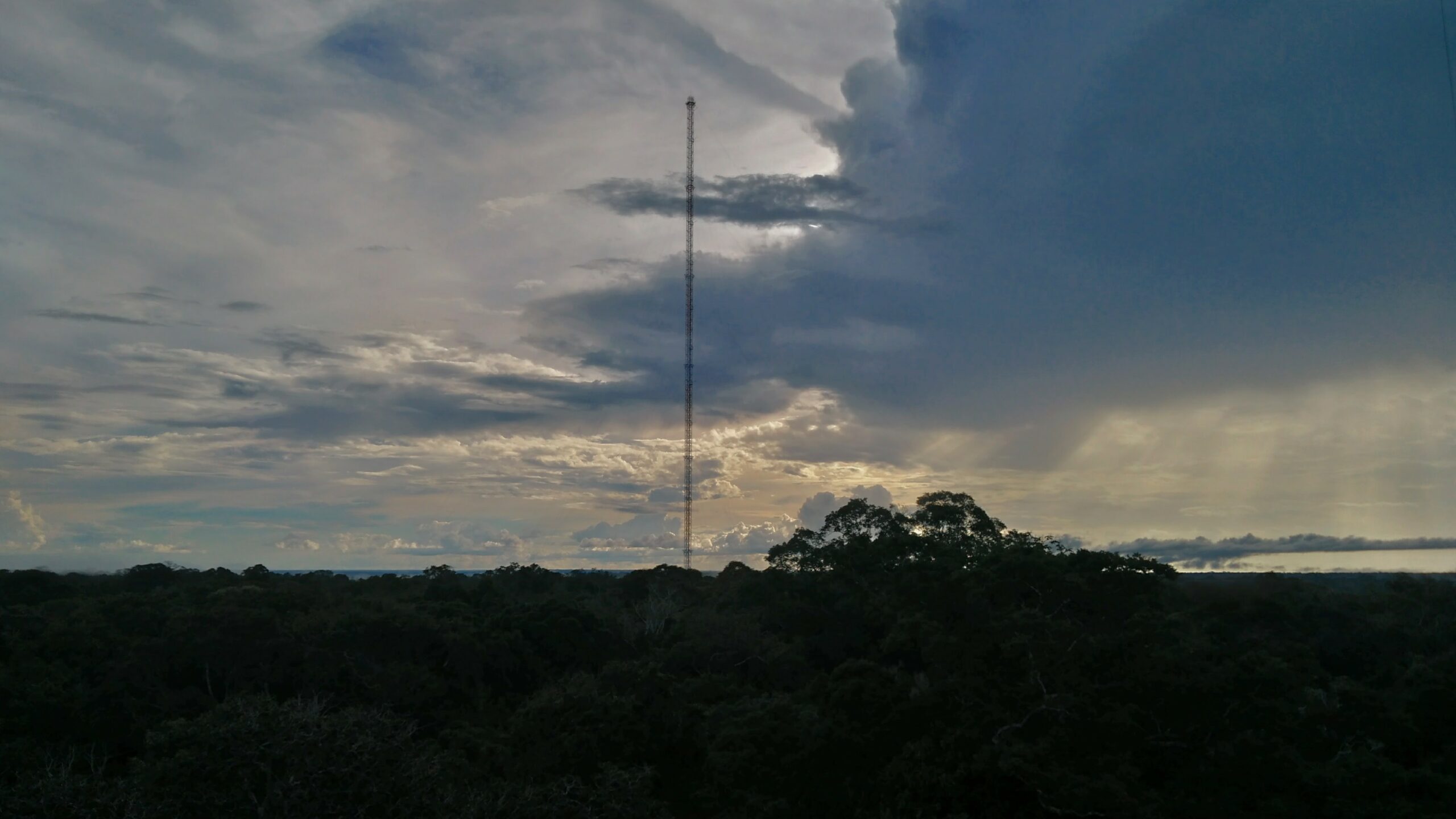
The CloudRoots project asks a simple but powerful question: How does the Amazon rainforest interact with its own clouds? CloudRoots explores this two-way dialogue between forest and atmosphere across scales ranging from tiny leaf pores to clouds several kilometers above the Amazon. The team published the results from their research in several papers.

Luciane Reis and her colleagues now performed a new study at the ATTO site that shows that gust fronts can also cause large jumps in carbon dioxide concentrations. But what are the sources of this carbon-dioxide-rich air?

Atmospheric aerosol particles are essential for the formation of clouds and precipitation, thereby influencing the Earth’s energy budget, water cycle, and climate. However, the origin of aerosol particles in pristine air over the Amazon rainforest during the wet season is poorly understood. A new study reveals that rainfall regularly induces bursts of newly formed nanoparticles in the air above the forest canopy.

So-called squall lines frequently bring thunderstorms to the Amazon region. With them comes a lot of rain, but also heavy, turbulent winds. This new study analyzes their impacts on surface meteorology and CO2 fluxes.
Direct measurements of OH radicals are rare and difficult to achieve. However, since they react with BVOCs, Ringsdorf et al. inferred them from isoprene measurements at ATTO. To do so, they applied a technique called ‘Dynamical Time Warping’ from the field of speech recognition. Akima Ringsdorf et al. published the study “Inferring the diurnal variability of OH radical concentrations over the Amazon from BVOC measurements” Open Access in Nature Scientific Reports.
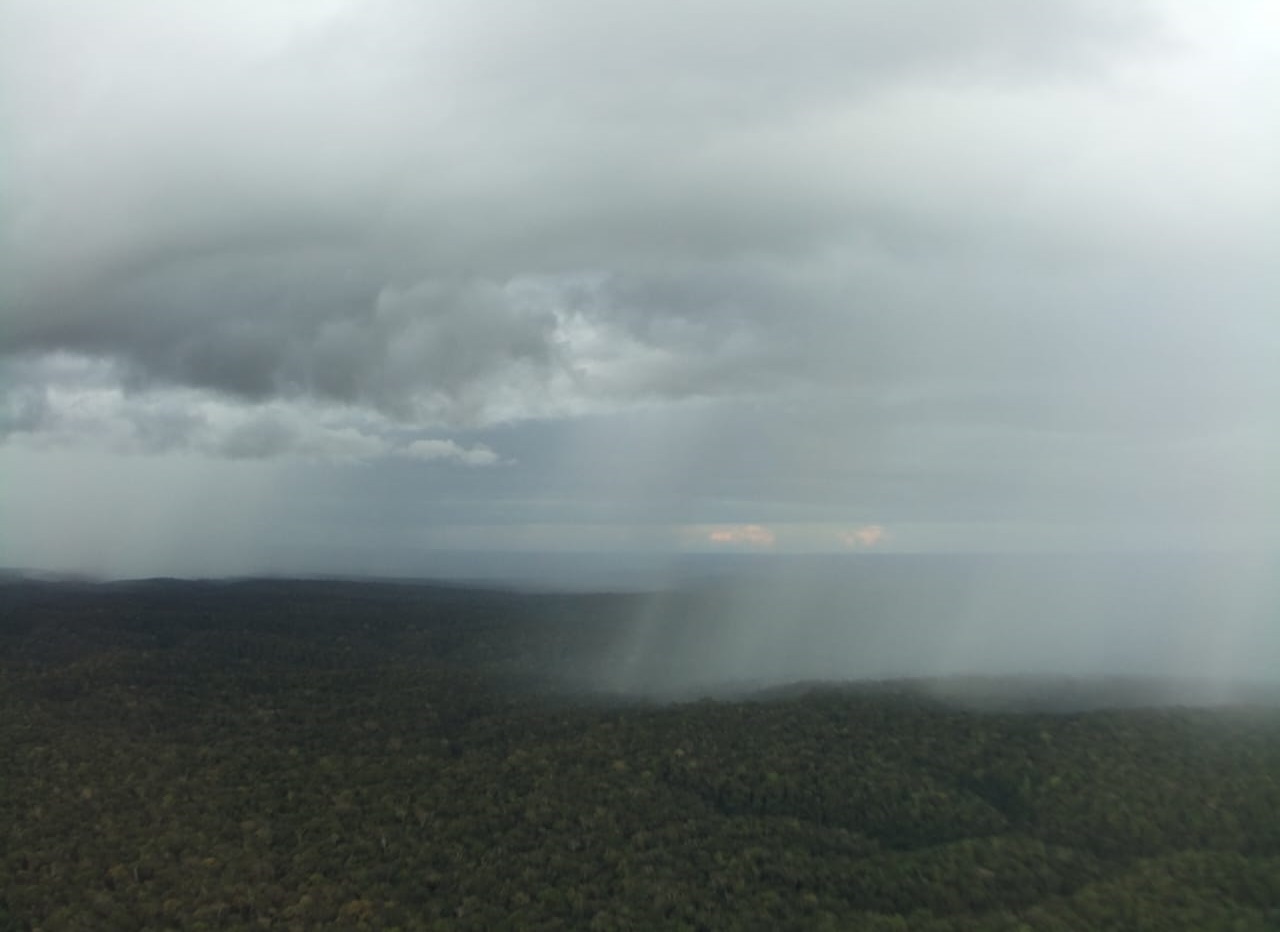
In a new study, Anne Mendonça, Cléo Quaresma, Daniel Marra and their co-authors analyzed different turbulence regimes at the ZF2 site as part of the ATTO-INVENTA project. They also investigated how turbulence is connected to the occurrence of downdrafts and extreme wind gusts, that might lead to tree mortality.
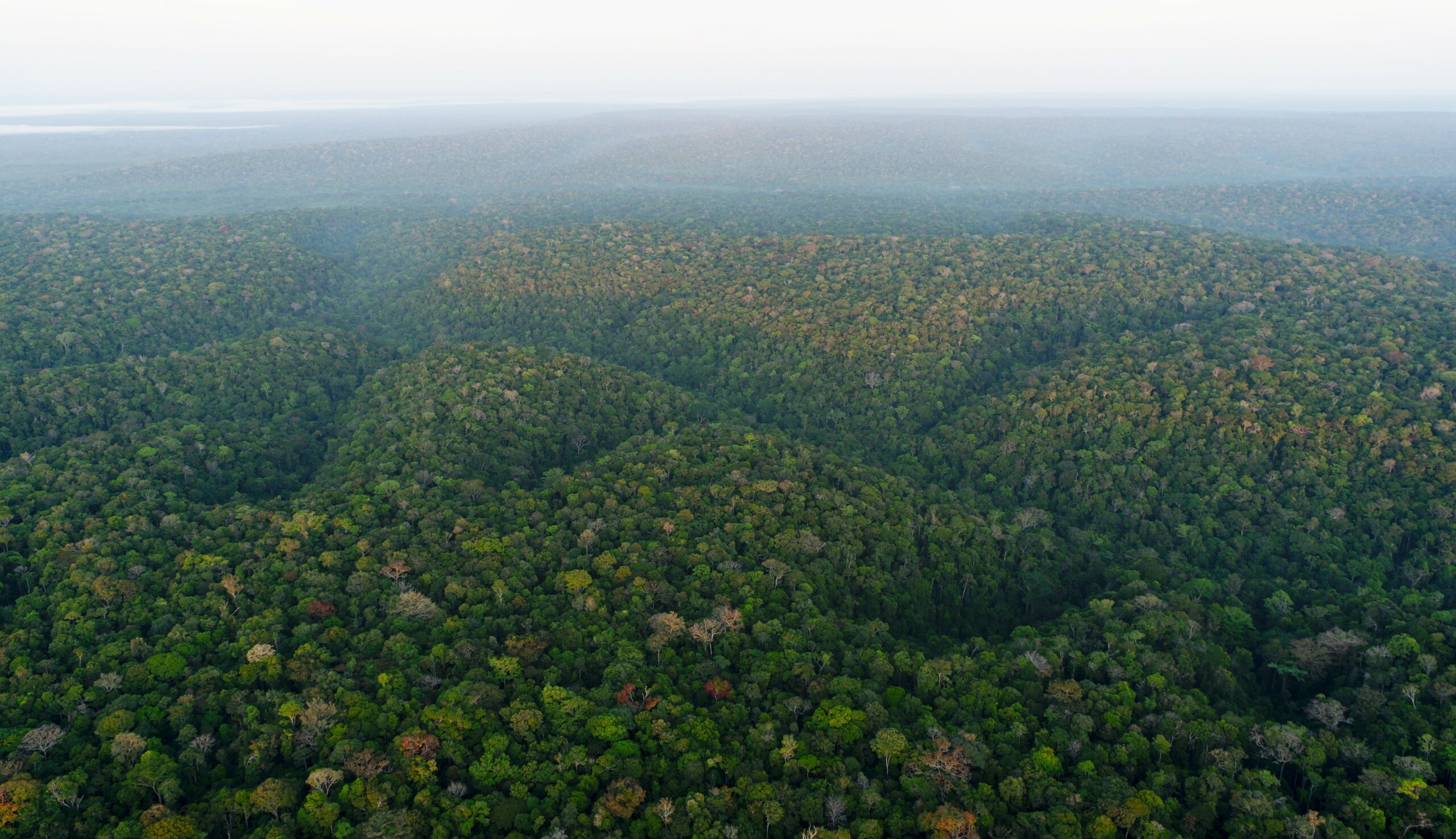
In a new study, Luca Mortarini and his colleagues introduce a novel approach to the study of the roughness sublayer, using a cospectral budget model. Its originality lies in not considering the mixing layer analogy to parameterize the turbulence statistics. In addition, it relates them to the different scales of the wind velocity spectrum without making any assumption on the property of the flow.

Eiky Moraes, Cléo Dias-Júnior and their colleagues wanted to find out if the local topography at the ATTO influenced the atmospheric movements. In particular, they were interested in the effect that topography has on the formation of gravity waves. Comparing two simulations, one with and one without topography, revealed some important differences in the dynamics and chemistry of the atmosphere.
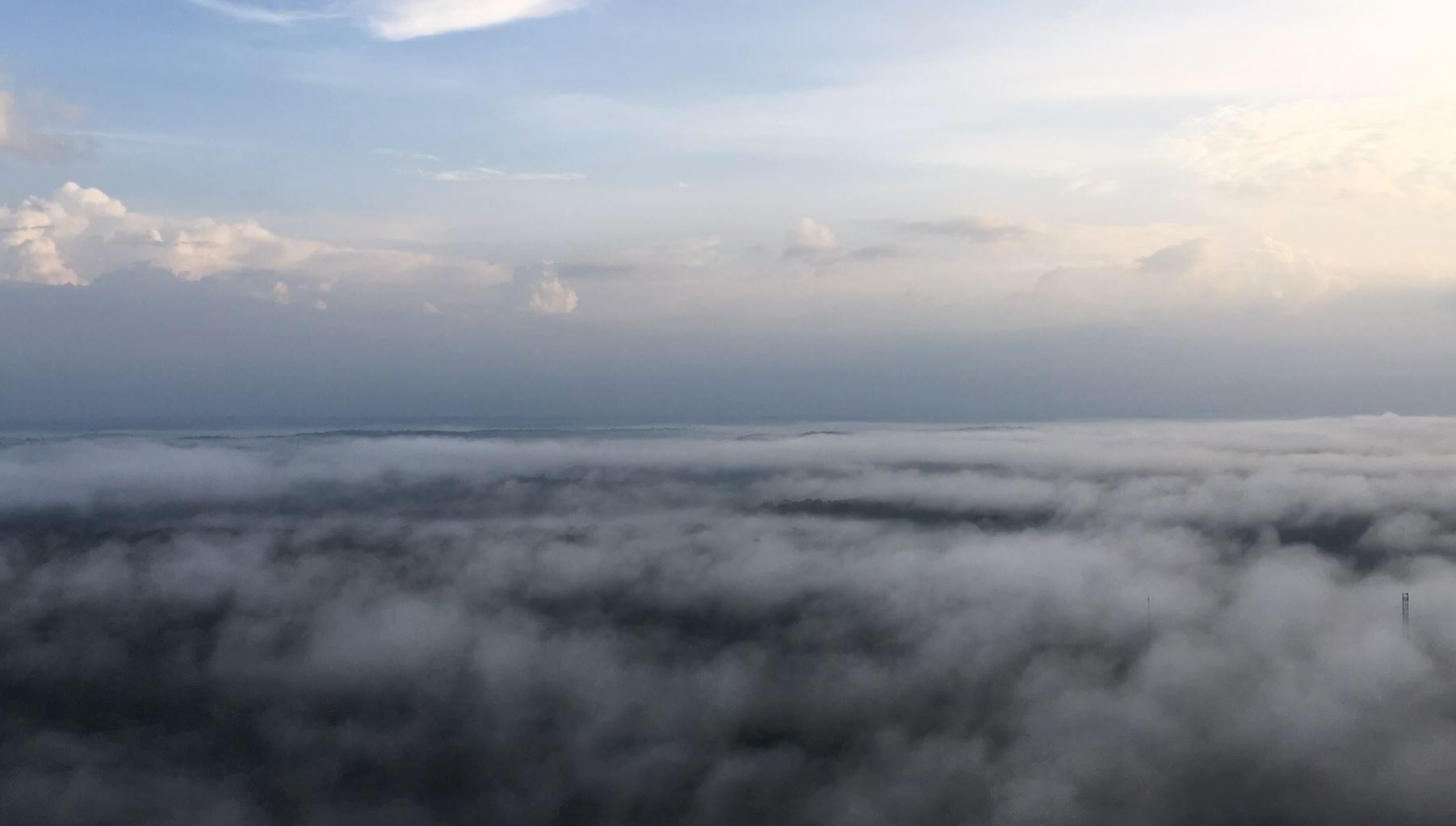
Only when the air inside of the forest canopy mixes with the air above can there be exchange. The physical movement of the air, its turbulence, determine how well these two layers of air, the one inside the forest canopy and the one above, mix. Daniela Cava, Luca Mortarini, Cleo Quaresma and their colleagues set out to address some of these questions with two new studies that they conducted at ATTO. They wanted to define the different regimes of atmospheric turbulence or stability (Part 1) and describe the spatial and temporal scales of turbulent structures (Part 2).
In a new study, Marco A. Franco and his colleagues analyzed when and under what conditions aerosols grow to a size relevant for cloud formation. Such growth events are relatively rare in the Amazon rainforest and follow and pronounced diurnal and seasonal cycles. The majority take place during the daytime, and during the wet season. But the team also discovered a few remarkable exceptions.