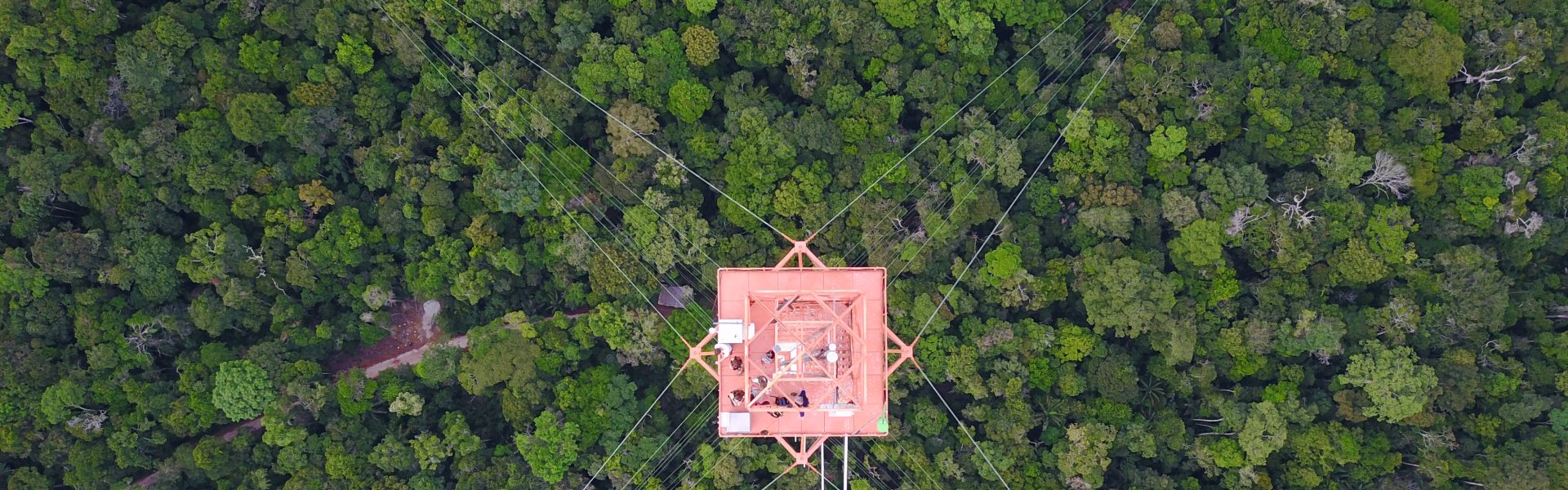
There are only a few instruments used at ATTO that have a story as exciting as this one. A story full of ups and downs, full of success, but also full of problems, challenges, and many lessons learned. Maybe there is even no other instrument or research platform at ATTO, apart from the towers themselves, that involved so many people from the first idea, to planning, construction, testing, troubleshooting, and finally scientific measurements.
I am talking about the Robotic Lift, also called RoLi, a research platform for vertical profile measurements on the ATTO Tower. But before we dive into the technical details and what makes RoLi so important for ATTO research, let us go back in time and start at the beginning.
The idea
The year is 2017. More precisely, September 2017, just before the ATTO workshop. A young student assistant, Sebastian Brill, is on his first campaign at ATTO. His mission: measuring particle emissions from biological organisms, more specifically from fungi. Also at ATTO during this campaign is Christopher Pöhlker, back then, group leader of the Aerosol Team at the Max Planck Institute for Chemistry.
I still remember this day very clearly. One afternoon, Christopher came up to me and said, “Do you have a few minutes? I have an idea. You are using this particle counter for your fungi. Would it be interesting to measure vertical profiles on the tower?” I was immediately excited. So, I placed my instrument on the cargo elevator of the ATTO Tower and drove it up and down. Three times. Without knowing that I had just performed the pioneer measurement for the PhD project, I would start four years later.
The next day, we all went to the ATTO workshop. Sitting in Porto da Morena in the boiling heat of the Amazonian sun, Christopher called me over and said, “Come here, I have to show you something”. He showed me the plots of the vertical profiles I had measured the day before. And they were as beautiful as it gets. We were amazed by the level of detail we could see and by the dynamics of the atmosphere that suddenly became visible. These graphics were probably among the most discussed figures during the 2017 ATTO workshop. And the story had only just begun.
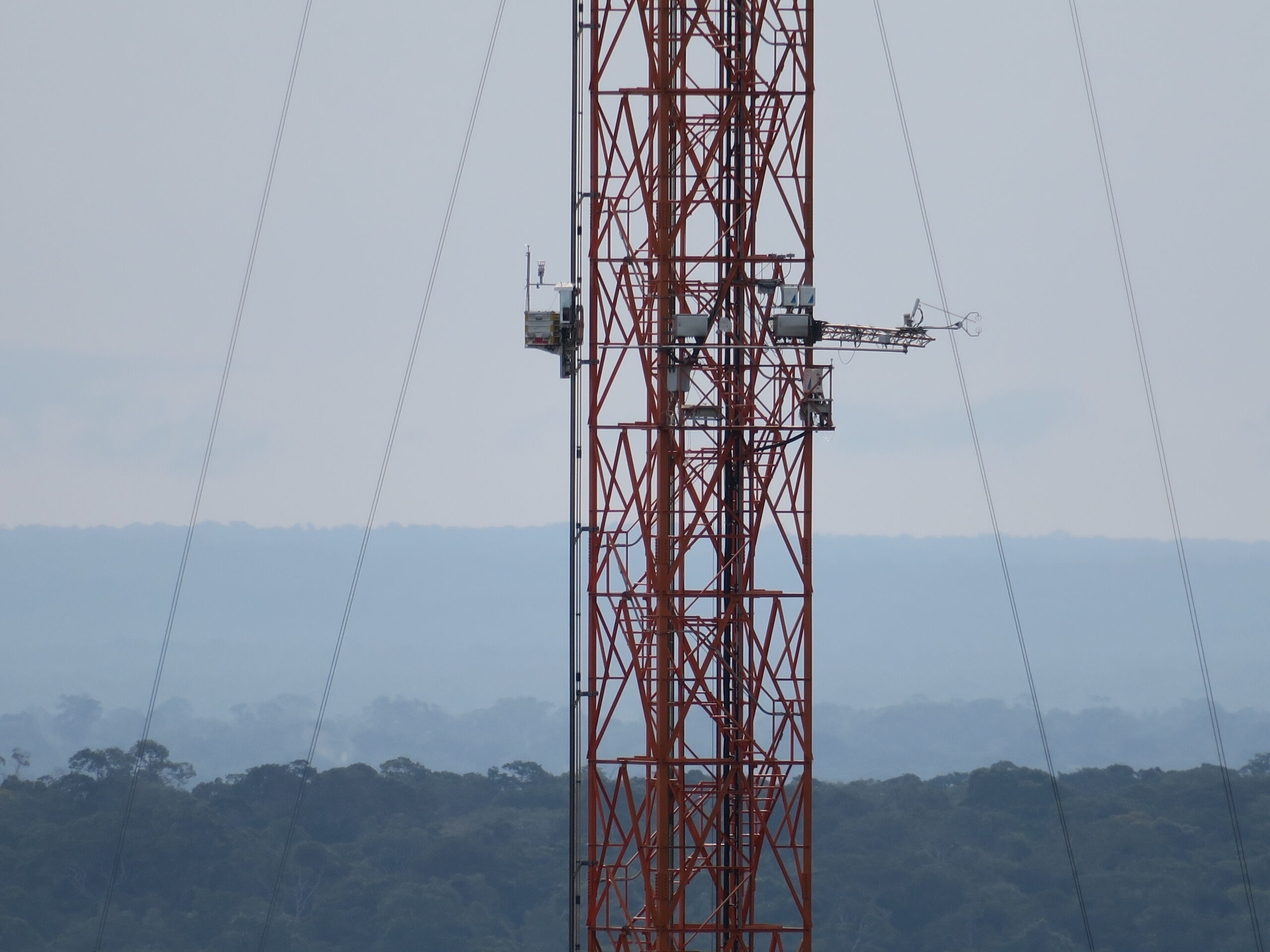
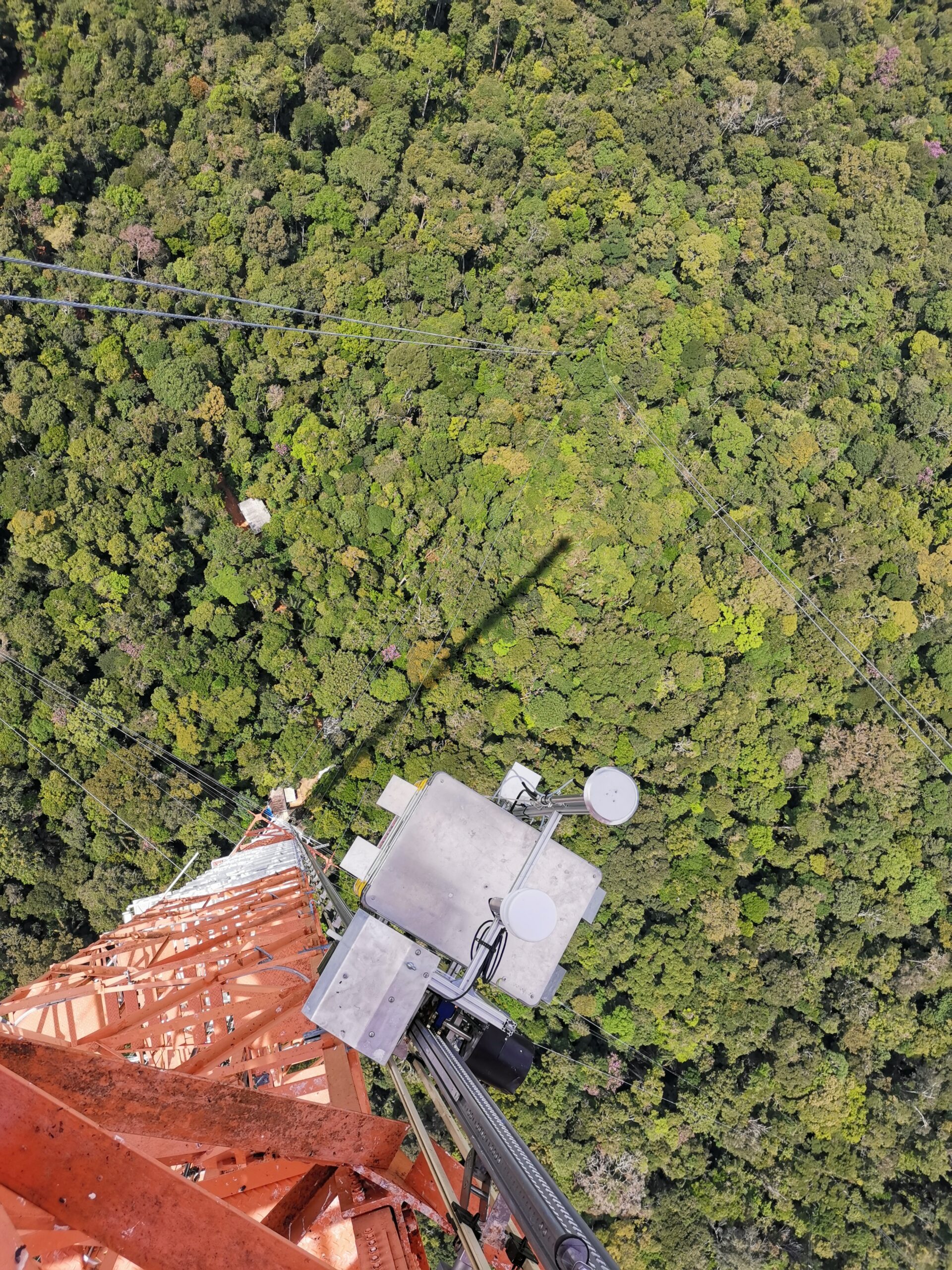
Long story short: I wanted to start this article by showing how visionary Christopher was with his ideas right from the beginning, and how a great project and research platform developed from this initial spark. The idea was simple in words, but ambitious in practice: build an automatic elevator platform for vertical profile measurements on the 325 m tall ATTO Tower.
The problem was just as simple: nobody had ever built something like this before.
What followed this first campaign were years of collecting ideas, planning, realizing that some ideas would not work, scrapping them, and starting over again. Very quickly, it became clear that if we wanted to build such a platform, we would have to build almost everything ourselves. And that was only possible with a group of very talented people.
The journey
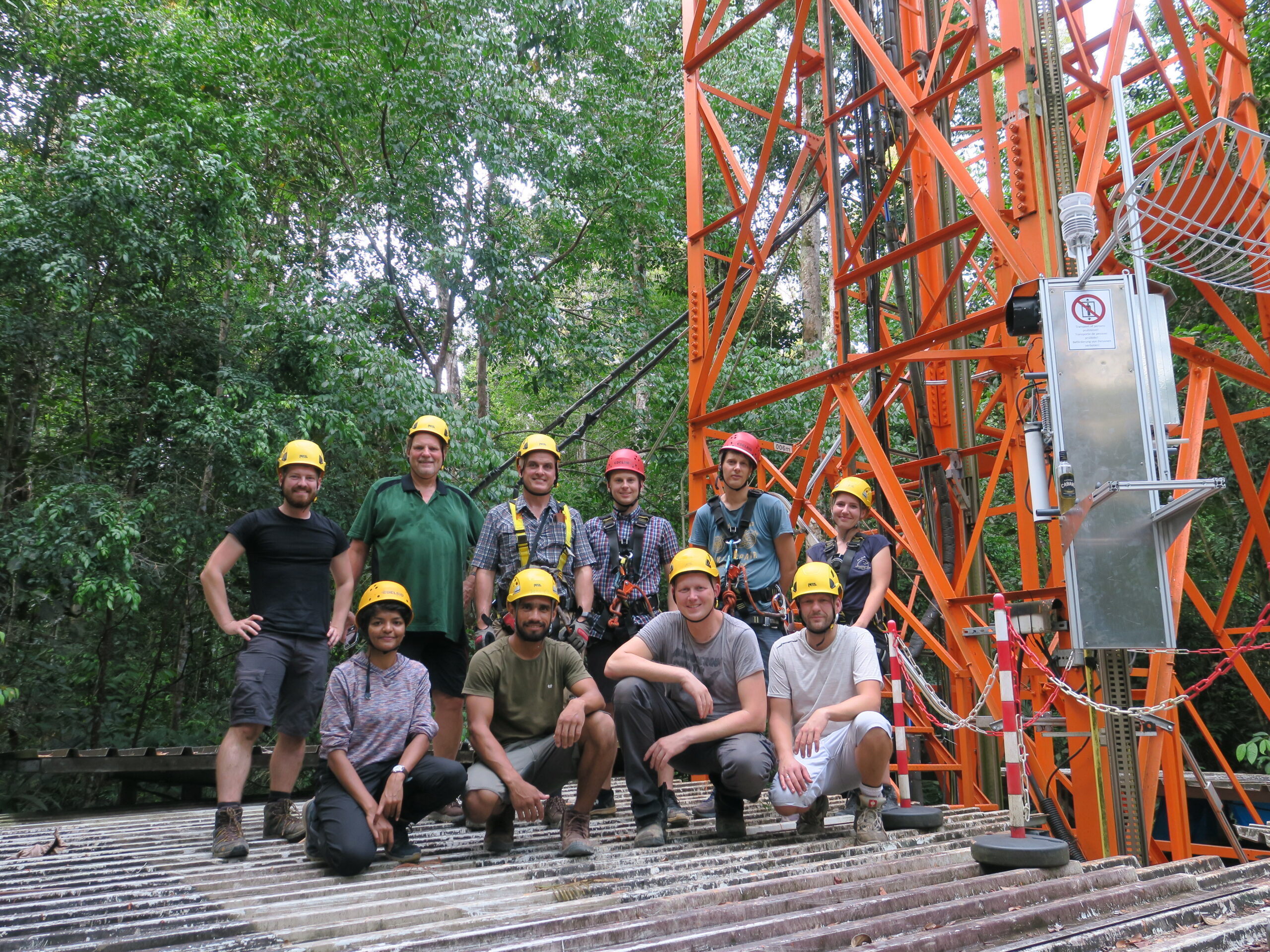
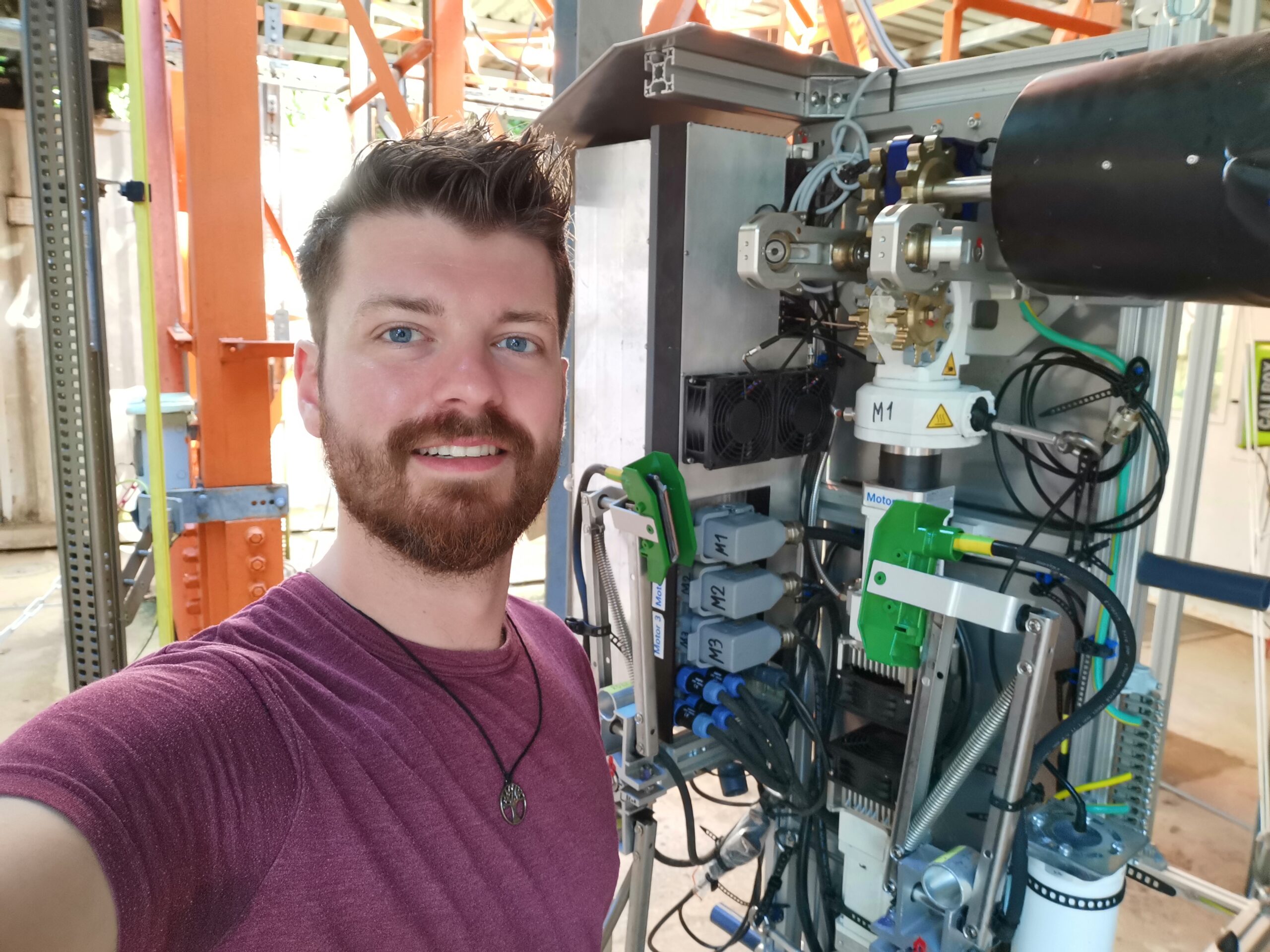
So, in 2019, the RoLi project officially began. With Christopher providing the vision, the ideas, and much of the coordination, Björn Nillius and Jan-David Förster, both from MPIC, took over the project planning, design, and construction. The MPIC workshop built all mechanical parts under the lead of Ralf Wittkowski, who was later succeeded by Sebastian Best, with Thomas Kenntner playing an important role. The Electronics Department at MPIC designed and built all the electronics, with Christian Gurk leading this part. All electronics, especially the ground installation, were developed in close cooperation with Karl Kübler at MPI-BGC Jena.
And after the frame, motors, electronics, and all the other hardware had been built, one important part was still missing: the software to run and control it. Mark Lamneck also designed and developed this part in-house, writing the control software and designing the IT infrastructure. Of course, all these different parts and details could only work together because a great RoLi team had been working together from the very beginning.
And then the pandemic hit.
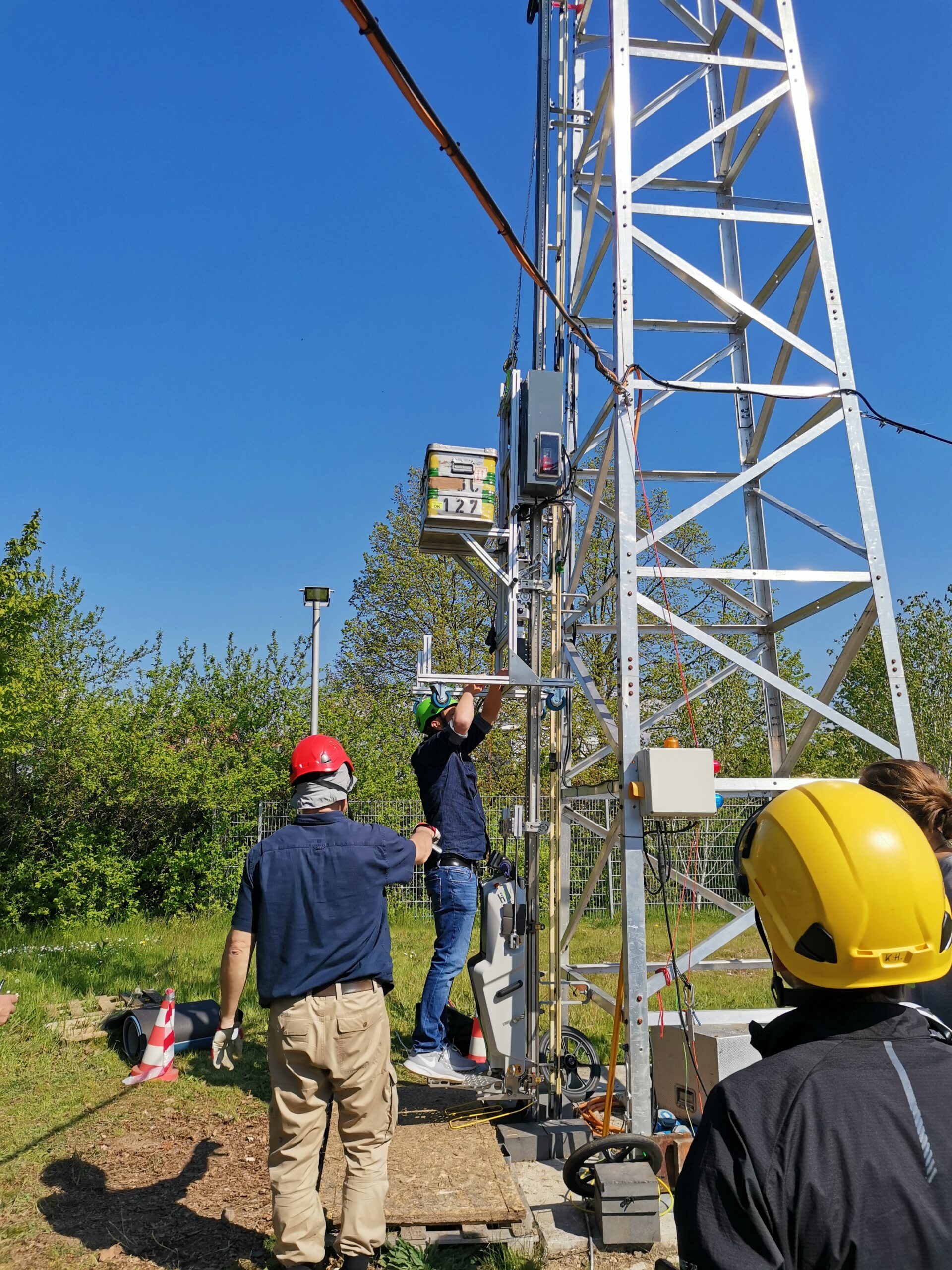
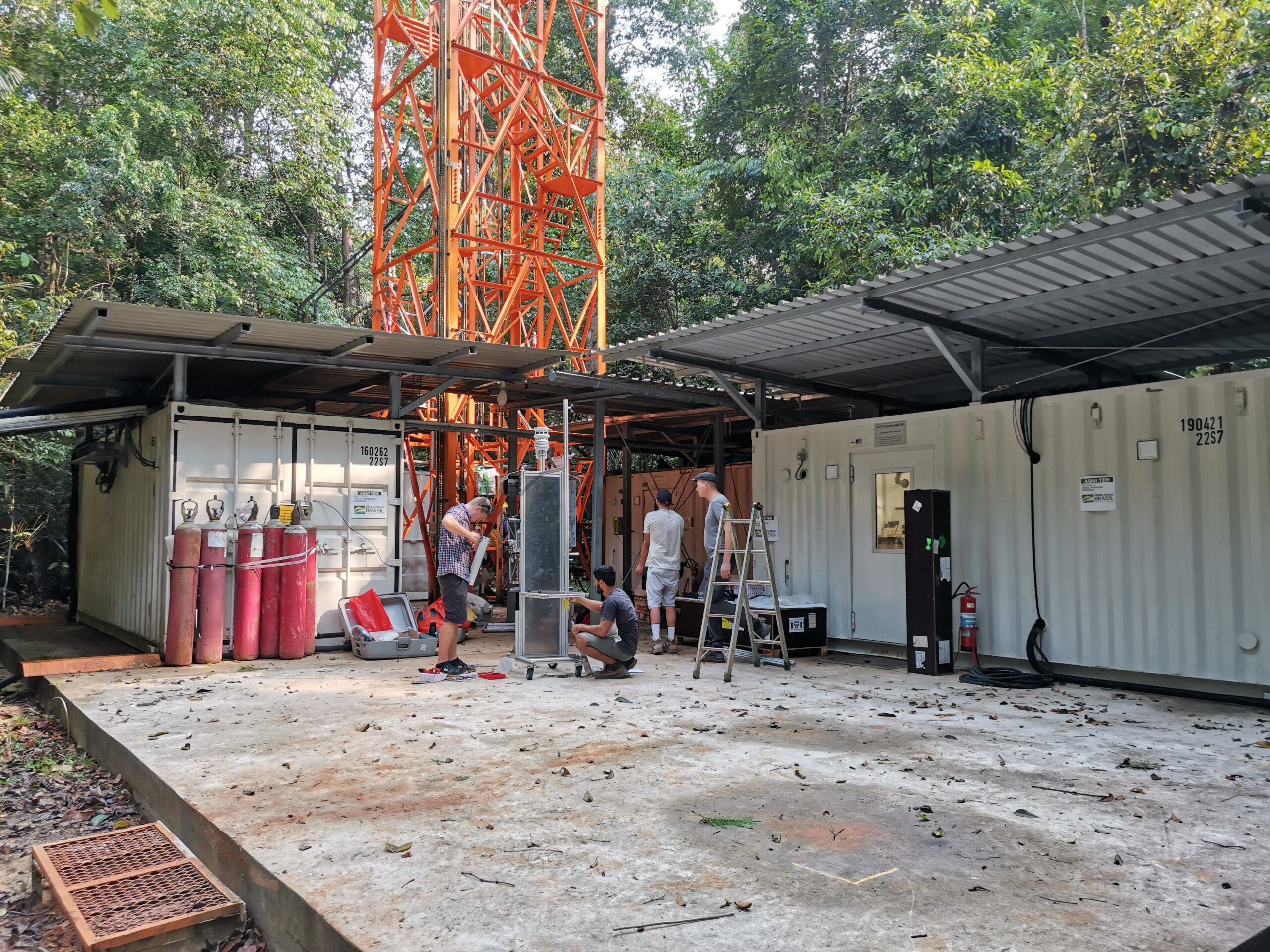
Basically, it brought the RoLi project to a halt. But even during the pandemic, in 2021, the testing of the RoLi platform officially started. With the great help of Konstantinos Barmpounis and the support of the whole RoLi team, I had the chance to accompany RoLi during its very first steps. We even built a new tower for RoLi testing here in Mainz, next to the MPIC. We called it MATTO: the Mainz Tiny Tower Observatory.
Blood, sweat and tears
During testing, we already identified many areas that still needed improvement. But from the beginning, we were sure about one thing: the real testing could only happen at the real tower. At ATTO. In the heat, the rain, the wind, and with 325 meters of testing rail instead of 10.
And in mid 2022, it was finally time for RoLi to travel to ATTO. Thanks to the great help of Reiner Ditz, RoLi was sent on the long journey to South America, where it arrived a few weeks later. The installation at ATTO started in September 2022 with the help of the whole RoLi team. And after a few days, it made its first vertical steps on the ATTO Tower.
What followed were weeks of blood, sweat, and tears. Many tears, especially from myself. RoLi was a prototype, and since we could only do the real testing at ATTO, many problems only appeared there. I gave my best to get everything running, with the exceptional support of the whole RoLi team. And finally, we got it.
The finish line
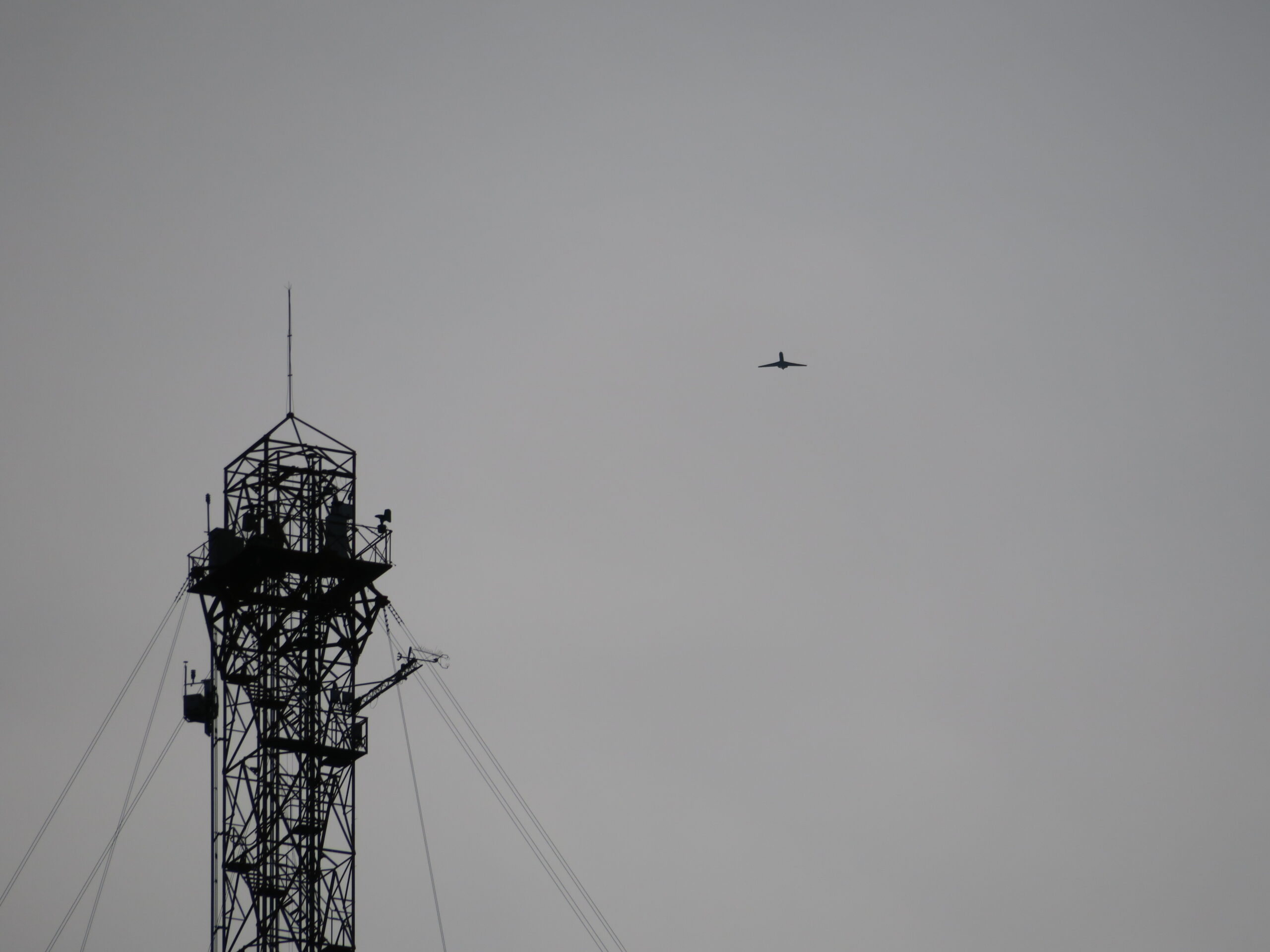
When HALO made its first flyby at ATTO during CAFE Brazil in December 2022, RoLi was ready.
He was there.
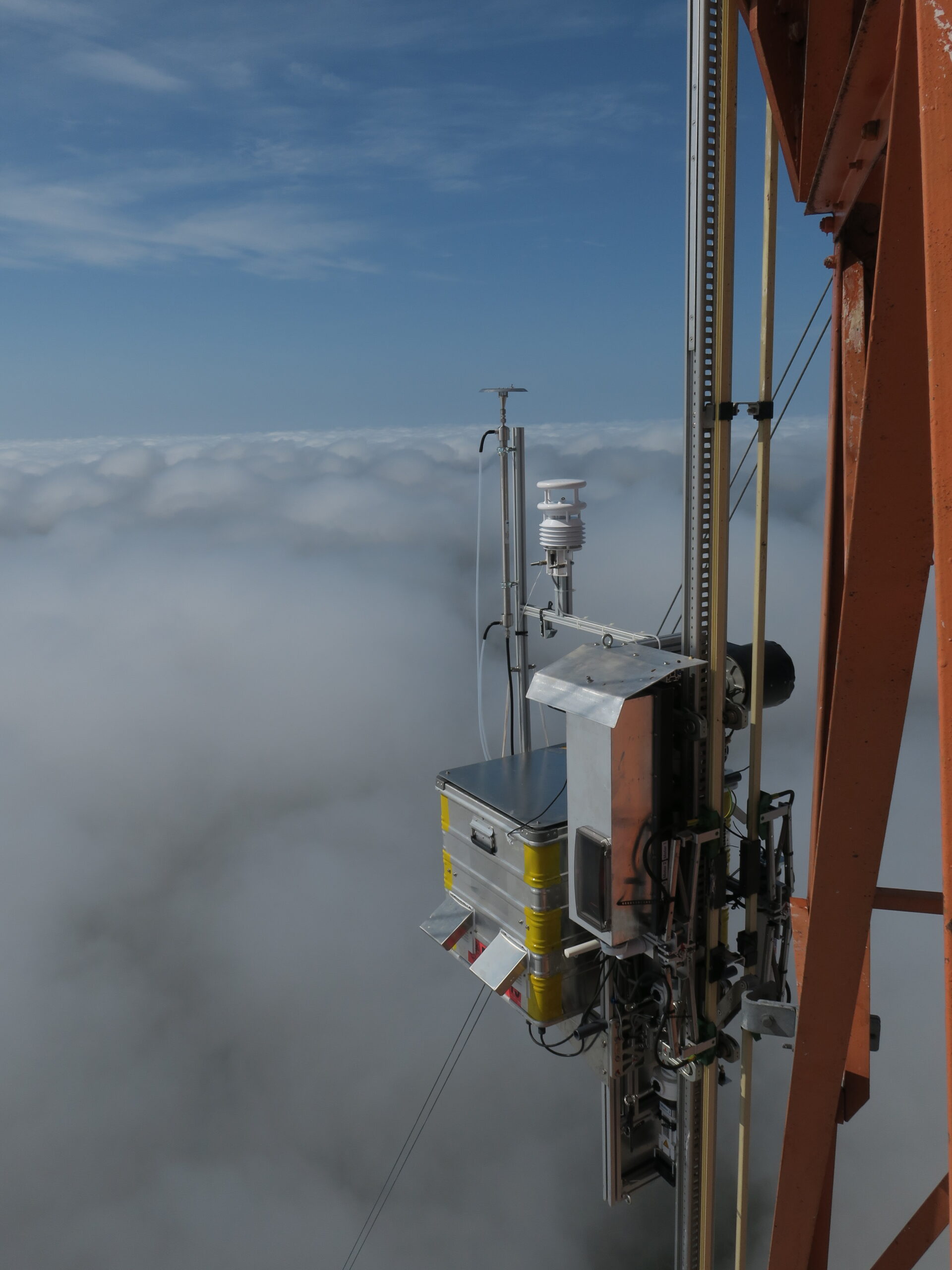
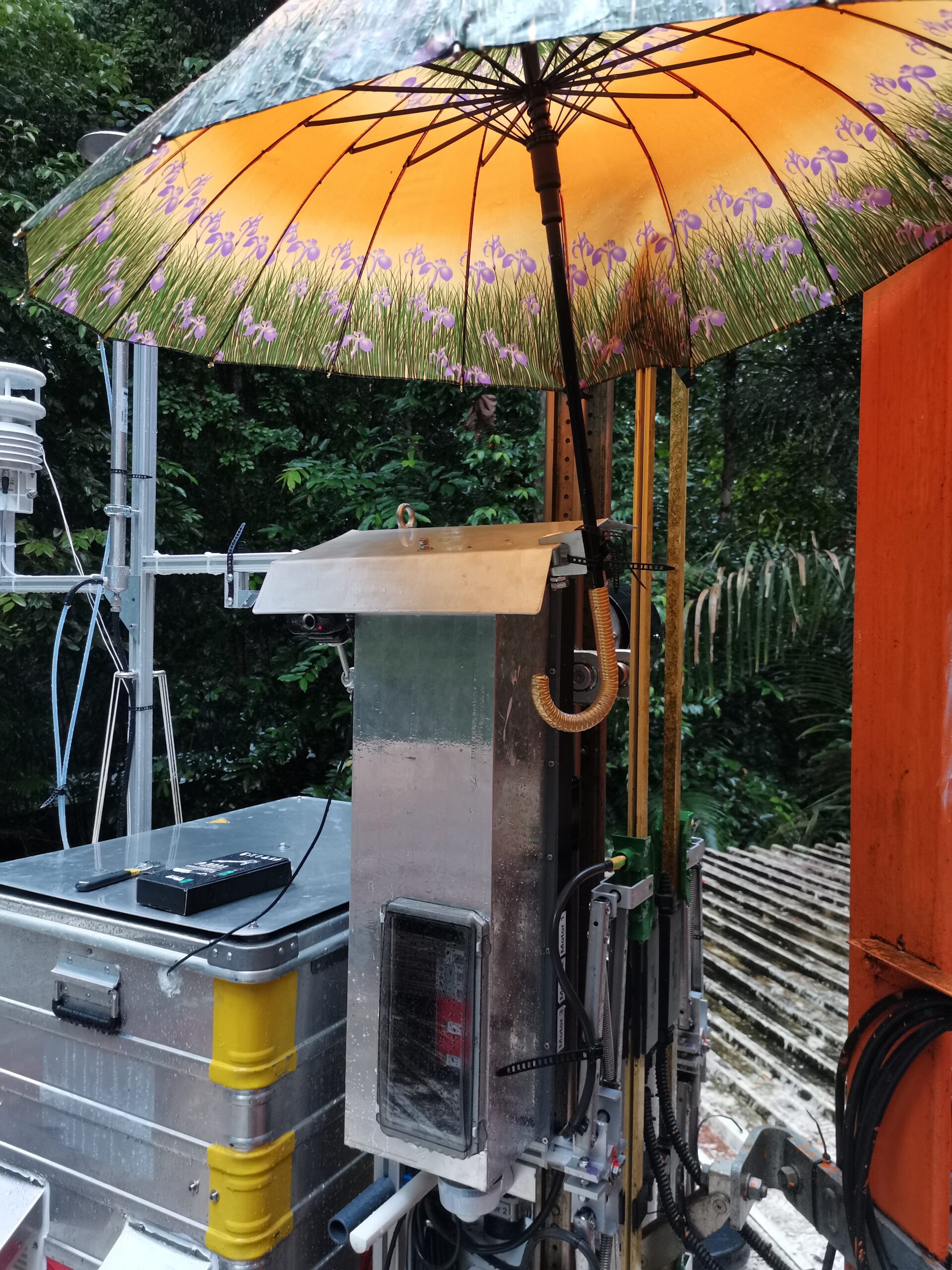
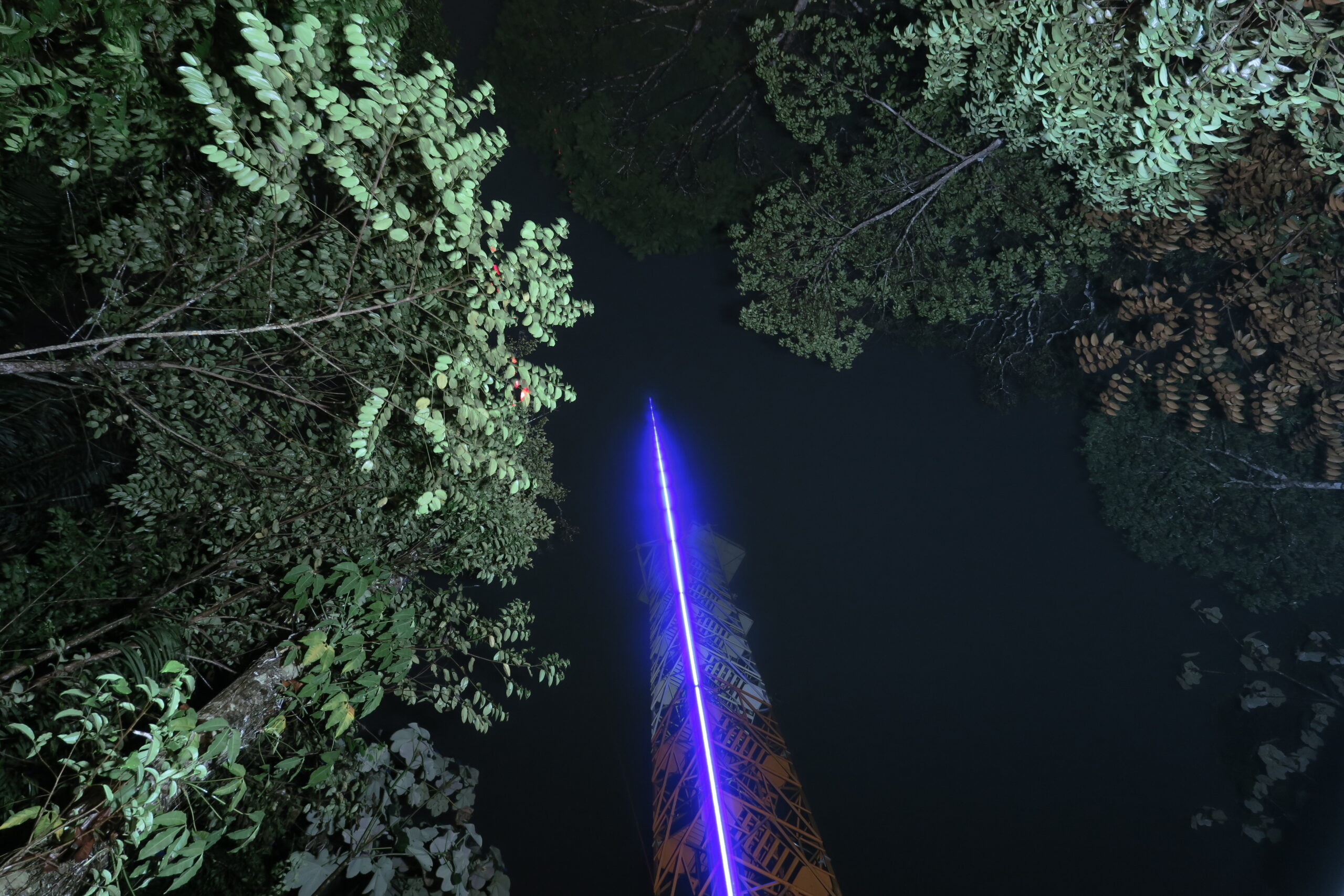
Climbing up and down, up and down, day and night. Through rain, wind, fog, and sun.
And he would not stop for years. He even had the chance to climb up the ATTO tower together with the German President Frank-Walter Steinmeier in January 2023.
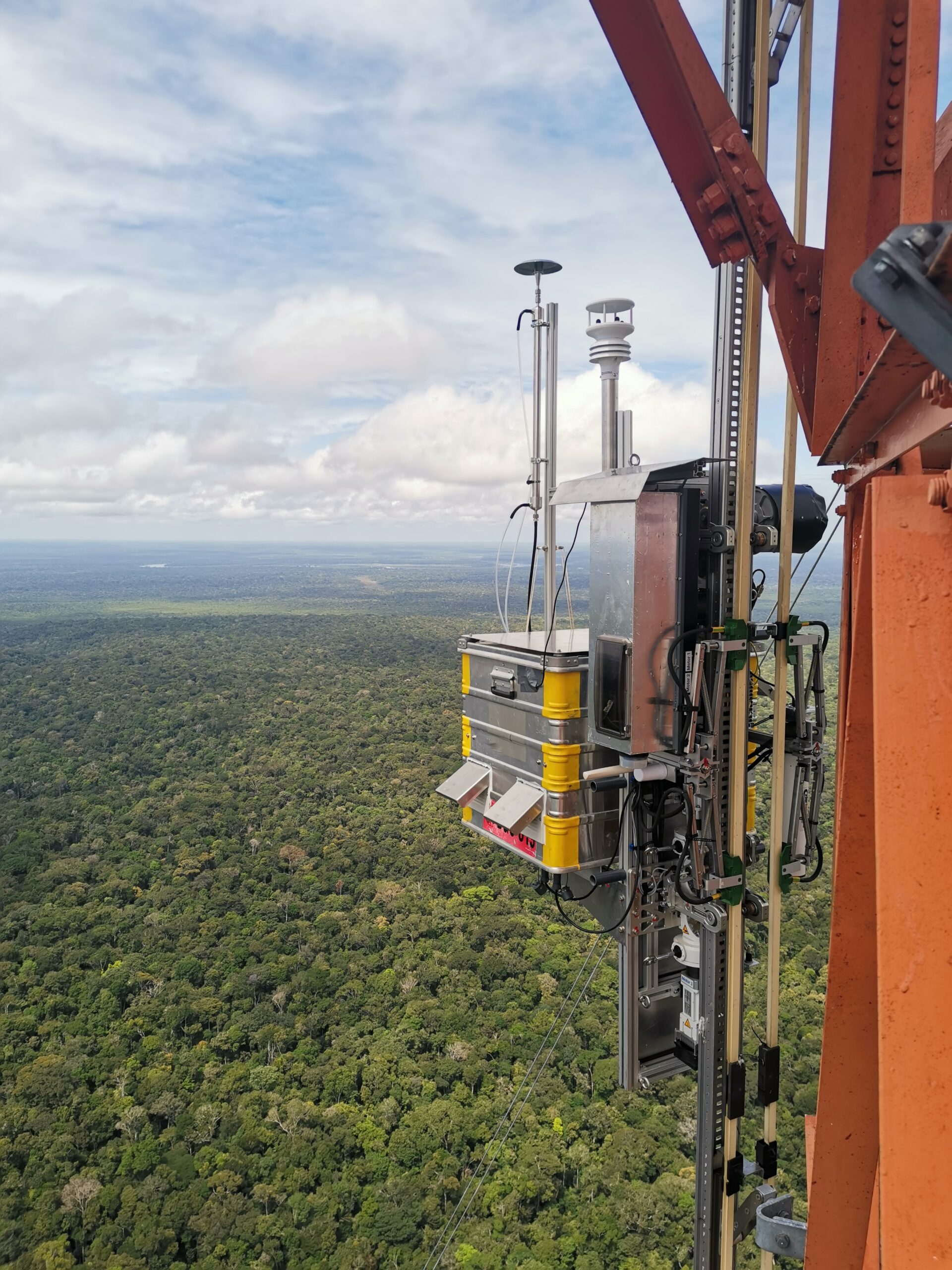
RoLi measured aerosol and meteorological profiles between ground level and 318 meters. With these measurements, we could observe how fog evolves in the morning, how it affects particle composition, and how biological particles are transported upwards with the fog. We measured the smoke during the exceptionally strong El Niño in 2023, and many other fascinating moments in the Amazonian atmosphere. If you are interested in the technical details, please have a look at our RoLi paper: https://doi.org/10.5194/amt-19-101-2026
One thing we learned over the years is that the Amazonian atmosphere is much more complex and heterogeneous than we had thought before.
Until now, RoLi has measured 2059 kilometers of vertical profiles during seven campaigns. That is around 6200 individual profiles. And I think nobody imagined at the beginning of the project that it would become such a success.
I would like to take this opportunity to sincerely thank everyone who has been involved in the RoLi project over the years, including those who are not mentioned by name in this article. RoLi has always been a true team effort, and its success would not have been possible without the dedication, creativity, technical expertise, and support of so many people. It has been an incredible team to work with.
In April 2026, I finished my last ATTO campaign. I had the chance to spend one final campaign together with my favorite instrument, and I had the chance to say goodbye. Because RoLi will stay. He will stay at ATTO, waiting for the next campaign, whatever it may bring.
He is there.
And he is ready.
Cheers, Sebastian Brill